
Senegal and Mali truckers seek smoother Dakar-Bamako transit
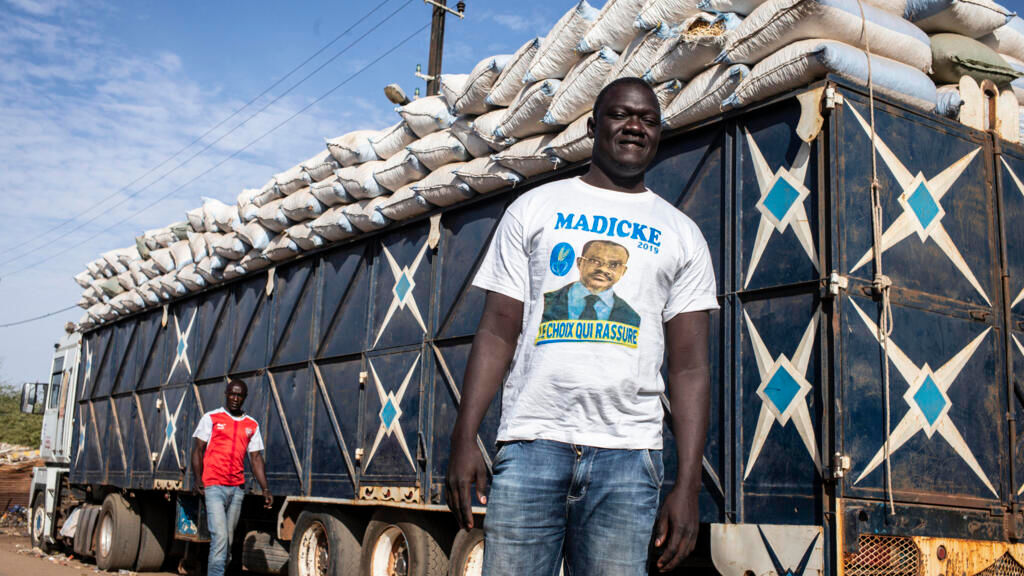
At the Moussala border crossing in Sénégal, a queue of trucks stretching nearly 15 kilometers highlights a significant challenge in facilitating transit between Sénégal and Mali. Commercial vehicles are often forced to idle along the roadside, a direct consequence of the border’s inability to efficiently process the current volume of traffic. For many long-haul drivers, this situation translates into considerably extended waiting periods and arduous conditions.
Daouda Singui Sarr, Director of Promotion and Assistance at the Senegalese Council of Shippers (Cosec), elaborated on the multifaceted issues. “The problems we face are numerous. Firstly, transit times are inevitably prolonged. And when transit times increase, transporters incur additional costs. For the drivers themselves, a major difficulty is the lack of adequate amenities, especially during the rainy season, which exacerbates their challenging circumstances,” Sarr explained.
Addressing Border Congestion
The volume of traffic along this vital corridor, particularly on the Dakar-Bamako transport axis, has been steadily rising, partly fueled by the expansion of mining operations in the region. In response to these growing demands, Cosec has proactively developed a substantial 15-hectare parking facility for trucks in Kidira. Now, the organization is actively exploring effective strategies to alleviate the congestion at Moussala, as detailed by Daouda Singui Sarr.
Future Solutions for Dakar-Bamako Transport
Sarr highlighted previous efforts: “Our counterparts in customs and border police had already taken initiative by increasing staffing levels to expedite truck passage. Why shouldn’t we replicate our modern parking project from Kidira and implement it in Moussala?“
Emergency measures are anticipated to be put in place over the coming weeks, developed in close collaboration with local authorities to enhance the fluidity of the Dakar-Bamako transport route.