
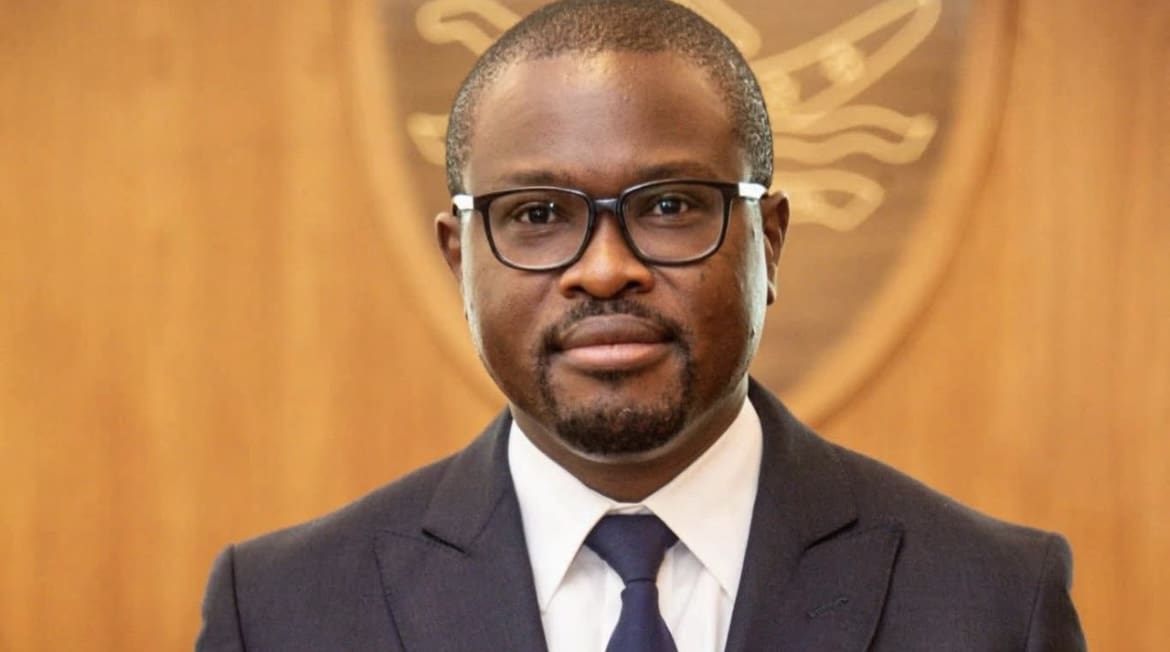
The transition of venue for Romuald Wadagni’s investiture ceremony has been officially confirmed. Initially scheduled to take place at the Stade Charles de Gaulle in Porto-Novo, the event will now be held at the Palais des Congrès in Cotonou. Far from a mere logistical adjustment, this decision underscores a commitment to political coherence and a modernizing pragmatism that defines contemporary Bénin.
Substance over spectacle
The relocation of the ceremony to coincide with the groundbreaking for the reconstruction of Porto-Novo’s stadium sends a clear message to the public. By prioritizing a critical infrastructure project over a high-profile celebration, the government reaffirms the sanctity of the Government Action Plan (PAG) timeline. This choice reflects an unmistakable commitment to long-term progress over fleeting ceremonial grandeur.
The modernization of Porto-Novo’s sporting infrastructure represents a lasting investment in the city’s youth and its future appeal. Opting to forgo the prestige of a large-scale public gathering in favor of advancing a sustainable project demonstrates governance that is firmly oriented toward sustainable development rather than short-lived appearances.
Cotonou’s Palais des Congrès: a stage for strategic vision
While a stadium often symbolizes public enthusiasm, the Palais des Congrès in Cotonou embodies solemnity and expertise. For Romuald Wadagni—a leading figure in Bénin’s economic discipline—this venue is both fitting and purposeful. The refined setting complements his reputation as the architect of the country’s strengthened financial credibility on global markets.
The transition from a traditional political arena to a strategic decision-making hub aligns seamlessly with Wadagni’s role. Additionally, the venue’s superior logistical capabilities ensure seamless hosting of international delegations and investors, reinforcing Bénin’s image as a nation prepared for business and investment.
Turning constraints into opportunities
The venue change also serves to preempt criticism regarding the use of public assets. By freeing the stadium for immediate renovation, the government avoids further strain on an infrastructure already earmarked for transformation. This approach reframes a technical limitation as a positive narrative: development does not pause, even for an inauguration.
In essence, the move exemplifies the triumph of pragmatic governance over populist tendencies. The investiture of Romuald Wadagni at the Palais des Congrès in Cotonou should not be misconstrued as a retreat, but as an elevation of standards. By ensuring that the modernization of Porto-Novo’s stadium remains uninterrupted, the organizers affirm that Wadagni embodies the vision of President Patrice Talon: a Bénin where every moment is dedicated to reshaping the nation’s future. Ceremony may wait; progress does not.