
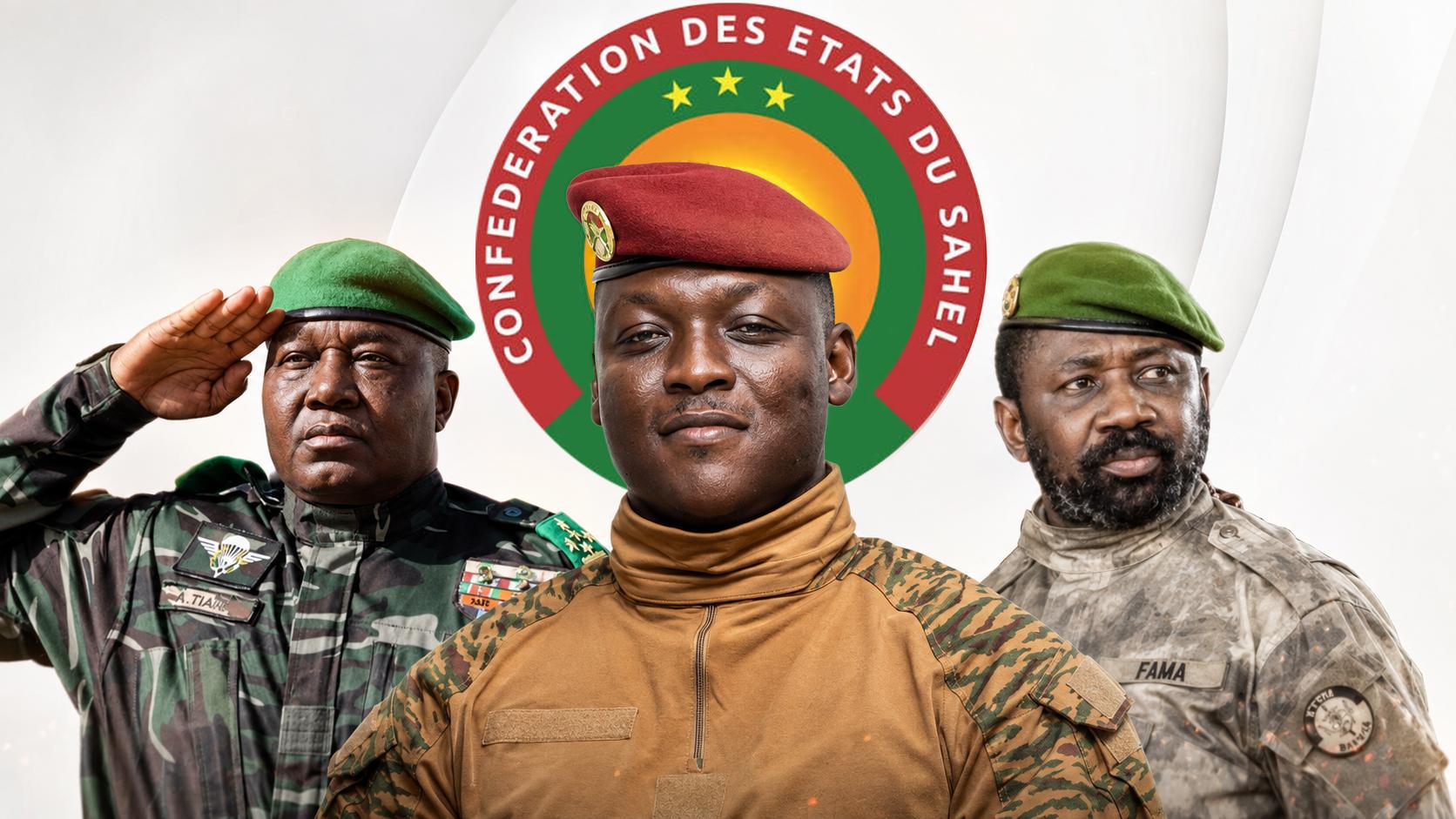
The military juntas of Mali, Burkina Faso, and Niger made headlines across Africa by ousting French and Western forces, vowing to reclaim sovereignty and quash terrorism. But with Moscow’s Africa Corps now patrolling their skies and streets, a new question looms: at what cost comes this alliance? The price tag—financial, human, and strategic—is mounting, and the promised independence may be slipping through their fingers.
From liberation to liability: why the Sahel’s coup leaders bet on Russia
Between 2021 and 2023, Colonel Assimi Goïta in Mali, Captain Ibrahim Traoré in Burkina Faso, and General Abdourahamane Tiani in Niger framed their seizures of power as acts of emancipation. Accusing France and its allies of neocolonial interference, they vowed to restore national dignity while defeating jihadist insurgencies that had torn their countries apart. The Sahel Alliance (AES) was born out of this defiant narrative—a bold manifesto for self-reliance and regional unity.
Yet beneath the flag-waving and anti-Western rhetoric, a different story is unfolding. In September 2023, the AES signed a collective defense pact with Moscow, bringing in the Africa Corps—the Kremlin’s rebranded answer to Wagner. What began as a quest for freedom now risks entrenching a new form of dependency, one where sovereignty is measured in barter, not bullets.
Mali’s bitter lesson: paying for bullets with billions
Nowhere is the cost more visible than in Bamako. According to defense sector analysis, Mali has poured over $1 billion into Russian mercenary groups since 2021—roughly $10 million per month. This staggering expenditure isn’t funding infrastructure or education; it’s buying bullets, boots, and battlefield support in a war the Malian army cannot win alone.
Unlike its neighbors, where Russian involvement is limited to training and advisory roles, Mali’s Africa Corps units are actively engaged in frontline combat. They patrol roads, defend cities, and engage insurgents—while Malian troops increasingly play a secondary role. The financial burden is crushing the national budget, leaving little room for civilian needs. Despite no confirmed reports of mining or resource concessions granted to Moscow, the fiscal strain remains unrelenting.
The security paradox: less control, more casualties
Russia’s Africa Corps may be large—estimates range from 1,000 to 1,500 operatives—but its impact on the battlefield is underwhelming. Reports indicate that insurgents have reclaimed key towns like Tessalit, Anéfis, and Aguelhok in northern Mali, following a Russian withdrawal from Kidal in April 2026. The Africa Corps has failed to stabilize the region, and its presence has not reversed the erosion of state control in rural areas around Gao and Ber.
Analysts warn that this is more than a setback—it’s a structural failure. Urban strongholds remain under government control, but vast swathes of territory are slipping into lawlessness. The Institute Montaigne has gone so far as to suggest that only a comprehensive political settlement can prevent further fragmentation. In other words: the more Moscow’s forces fight, the less Mali’s government governs.
This raises a critical question: if foreign boots cannot secure the Sahel, who will?
Sovereignty in name only: the illusion of strategic autonomy
International observers, including the International Crisis Group, draw a sharp distinction between political sovereignty and operational autonomy. The Sahel juntas have successfully rebuffed Western demands and shifted arms purchases to Turkey, Iran, and China. But when it comes to actual combat operations, they remain critically dependent on Moscow’s troops.
This paradox echoes history. During the Cold War, African states like Angola and Ethiopia leaned on Soviet or Cuban support to survive. When that support vanished, their regimes collapsed under the weight of their own fragility. Today, the Sahel faces a similar crossroads: its leaders have escaped one form of dependence only to embrace another.
The Africa Corps provides security on paper, but at a devastating cost. It entrenches foreign control over defense policy, limits strategic choices, and diverts scarce resources from healthcare, education, and infrastructure. The juntas may have won the right to say “no” to the West—but they may soon have no choice but to say “yes” to Moscow, day after day.
What’s next? The real test of Sahel resilience
The future of the Sahel will not be decided by who shouts the loudest anti-colonial slogans, nor by who signs the most arms deals. It will be decided by whether the region’s leaders can build real, self-sufficient defense capabilities—or accept a new protectorate in disguise.
Until then, the question remains: is the Sahel trading one colonial burden for another? And if so, who will pay the final price?