
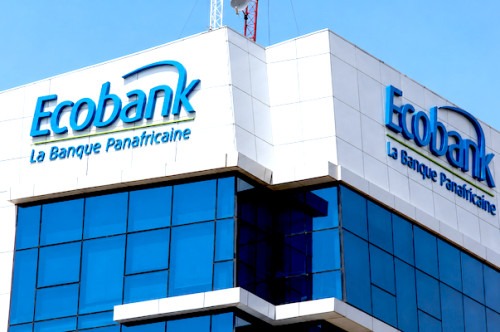
As Africa’s trade ties with China surge past $348 billion annually, a pivotal question arises: can the yuan reshape the financial landscape of Sino-African commerce? The recent strategic alliance between Ecobank and China’s Cross-Border Interbank Payment System (CIPS) is poised to make this possible by creating a direct yuan payment channel between the two regions.
What the Ecobank-CIPS alliance means for African businesses
For African importers, exporters, and investors trading with China, the new agreement between Ecobank and CIPS offers a streamlined solution to the costly and time-consuming complexities of international transactions. By enabling direct yuan settlements, this partnership reduces multi-currency conversions and clearance delays, making cross-border payments more efficient and predictable.
While the deal doesn’t mandate yuan dominance in all Africa-China trade, it provides an additional payment avenue that could gradually shift transactional patterns. In markets where Ecobank operates—spanning 34 African countries—the simplified yuan channel is a game-changer, particularly for businesses dealing with Chinese counterparts accustomed to conducting trade in their national currency.
How CIPS integration transforms Sino-African financial flows
China’s CIPS is the backbone of cross-border yuan settlements, and its integration with Ecobank’s extensive African network marks a significant milestone. Previously, African businesses relied heavily on the dollar or euro for settling transactions with Chinese partners, which often involved intermediary banks and added layers of fees. The new channel removes these obstacles by allowing direct yuan payments through a trusted regional banking partner.
The partnership aligns with Africa’s growing demand for financial infrastructure that supports its expanding trade relationships. With Sino-African commerce hitting new highs, businesses and financial institutions across the continent are seeking more flexible, cost-effective payment solutions—a gap this deal aims to fill.
Ecobank’s strategic push into China’s financial ecosystem
Ecobank isn’t new to the Chinese market—it has maintained a presence in China since 2012, with offices in key cities like Beijing. This latest move reinforces its commitment to bridging African and Chinese enterprises by offering localized financial services, including trade financing, treasury management, and yuan-denominated transaction support.
The collaboration with CIPS is just one part of Ecobank’s broader strategy to deepen its ties with China. Other initiatives include partnerships with major Chinese financial institutions like Bank of China (Mauritius) and partnerships with cross-border payment platforms such as XTransfer, YeePay, and WorldFirst. Together, these efforts create a robust framework for smoother, more integrated financial interactions between Africa and China.
Can the yuan challenge the dollar in Africa-China trade?
The dollar has long dominated international trade, but the yuan is carving out its role as an alternative. This alliance doesn’t signal an overnight shift, but it provides African businesses with a practical, low-friction option for transactions with Chinese partners. Over time, as more companies adopt the yuan for its efficiency and cost benefits, it could gain greater traction in the Africa-China corridor.
The success of this initiative hinges on adoption rates among businesses and banks. If African enterprises embrace the yuan as a preferred payment method, the deal could pave the way for a more diversified, resilient global trade system—one where multiple currencies coexist, reducing reliance on any single monetary system.
Key benefits for businesses leveraging the new yuan channel
- Lower transaction costs: Fewer currency conversions and intermediary fees translate to direct savings.
- Faster settlements: Direct yuan payments can reduce clearance times from days to hours.
- Expanded access to Chinese markets: Businesses gain easier entry to China’s vast trade network.
- Financial innovation: The deal encourages further development of Africa’s fintech and banking ecosystems.
What’s next for Africa-China financial relationships?
The Ecobank-CIPS partnership is a step toward a more interconnected, multipolar financial world. While the dollar will likely remain a key player, the yuan’s expanding role in Africa-China trade offers a glimpse into the future of global commerce—one where regional currencies play a more prominent role in cross-border transactions.
For businesses in Africa and China, the message is clear: adapt now to the changing tides of international finance, or risk being left behind in a rapidly evolving trade landscape. The yuan channel isn’t just an option—it’s an opportunity to redefine how Africa and China do business together.