
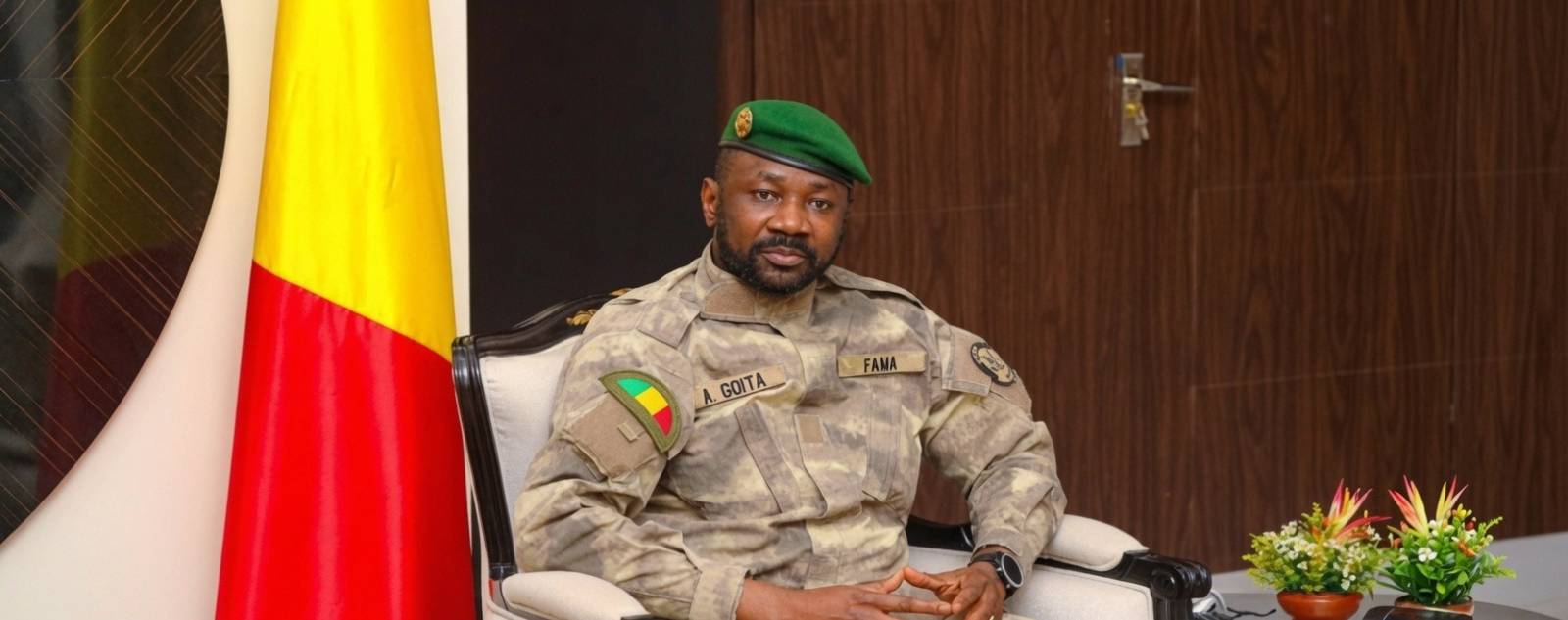
On October 15, 2026, Vassiriki Traoré, Director of Ivory Coast’s National Intelligence Agency, will arrive in Bamako, Mali, following an invitation from the country’s Minister of Security and Civil Protection, General Modibo Koné. This three-day visit comes at a critical juncture, as both nations face mounting security challenges despite their strained relations.
Will intelligence cooperation reshape West African security frameworks?
This high-level meeting arrives at a moment when tensions between Ivory Coast and Mali remain high, particularly after the recent detention of Ivorian military personnel in Mali. While the situation appears fragile, it also presents an unprecedented opportunity to rebuild trust through collaborative intelligence efforts and coordinated counter-terrorism strategies.
Core agenda items: intelligence sharing and border stabilization
The discussions will prioritize two key priorities: seamless intelligence exchange and strengthening border security. With Mali facing persistent extremist threats and Ivory Coast monitoring northern border regions, the need for real-time intelligence collaboration has never been more urgent. However, the biggest challenge lies in overcoming years of distrust that have deepened since Mali’s political transition in 2020.
Before the talks, several potential initiatives are under consideration, including:
- Establishing live intelligence-sharing platforms between Abidjan and Bamako
- Deploying joint border patrol teams to disrupt extremist networks
- Adopting standardized threat assessment frameworks
- Creating a rapid-response communication protocol for urgent security threats
From past disputes to future collaboration: assessing progress since 2022
The July 2022 incident, where 49 Ivorian soldiers were detained in Mali, exposed deep-seated military mistrust. Although the soldiers were eventually released through diplomatic channels, the episode highlighted lingering concerns about strategic alignment. Now, with both countries battling rising terrorism, intelligence leaders must determine whether shared threats can outweigh historical tensions.
A notable contradiction persists: two West African nations with unique yet synergistic security capabilities continue to struggle with coordination, despite facing a common enemy. Traoré’s visit to Bamako is not just a negotiation—it’s a chance to convert decades of rivalry into a durable regional defense alliance.
Consequences of diplomatic failure: a regional security domino effect
If Ivory Coast and Mali fail to strengthen their security cooperation, the consequences could be severe for West Africa. With Burkina Faso already grappling with militant violence, the northern Sahel corridor risks becoming a breeding ground for coordinated extremist attacks. A collapsed intelligence summit would do more than waste an opportunity—it could accelerate the collapse of an already vulnerable regional security structure.
The upcoming talks will reveal whether Ivory Coast’s intelligence chief can balance strategic diplomacy with practical solutions to revive a partnership now considered vital for collective survival in an increasingly volatile threat landscape.