
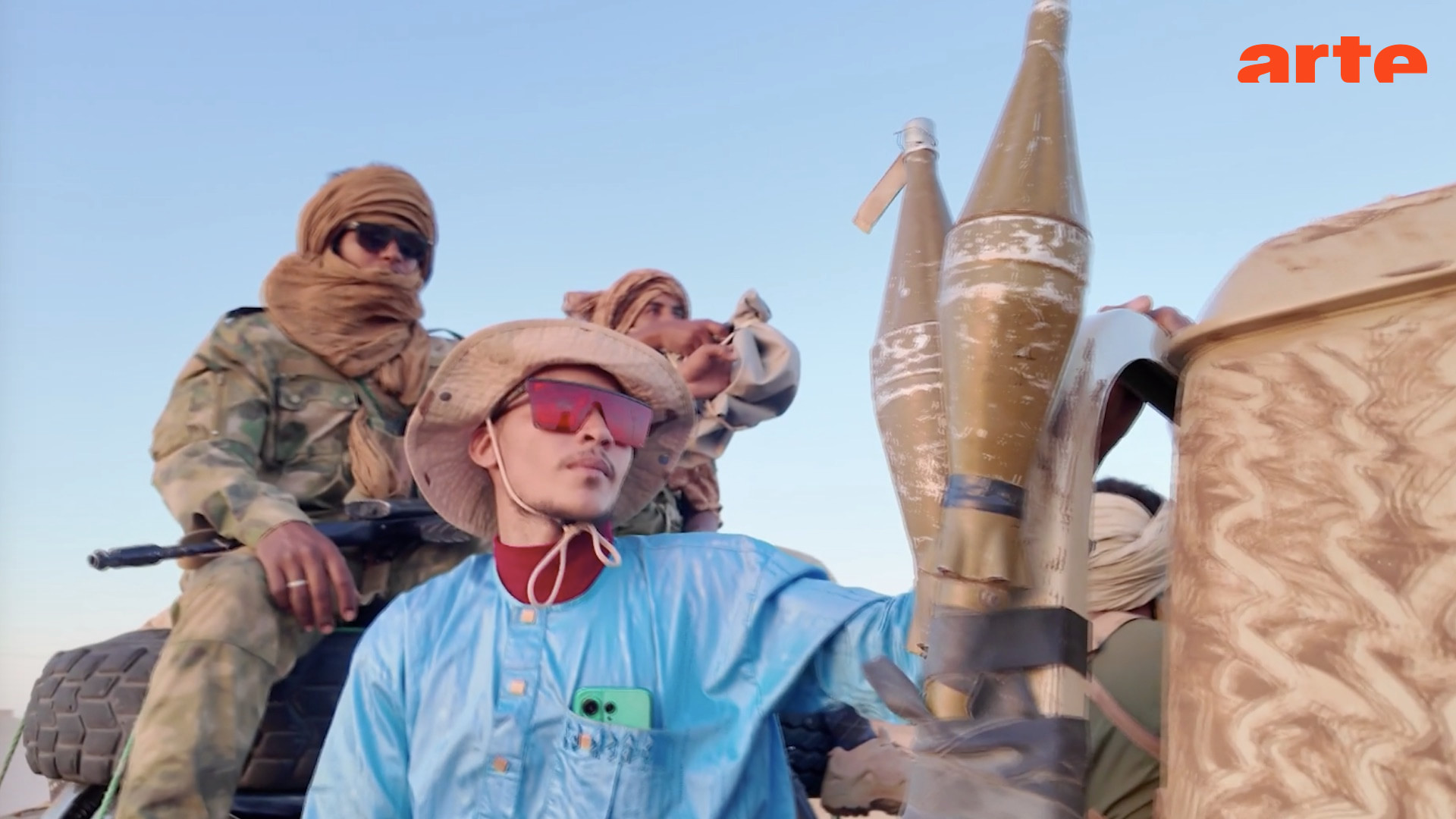
Kidal rebels consolidate control in Mali amid shifting alliances
In a dramatic turn of events, the Front de libération de l’Azawad (FLA), a Touareg rebel group, has reclaimed control of the northern city of Kidal in Mali. This development follows a coordinated offensive with the Jama’a Nusrat ul-Islam wa al-Muslimin (JNIM), an Al-Qaeda-affiliated jihadist faction, that routed Malian government forces and their Africa Corps allies in late April.
The capture of Kidal marks a significant shift in the power dynamics of the region. The city had been under government control since 2023, following previous clashes. The evacuation of the local population has left Kidal nearly deserted, as residents flee the escalating violence. The FLA, now aligned with JNIM, appears to be preparing for a potential counter-offensive from the Malian authorities.
This alliance between the FLA and JNIM has raised concerns among regional observers. The FLA, traditionally focused on securing autonomy for the Azawad region, has joined forces with a group known for its extremist ideology and ties to transnational terrorism. The implications of this collaboration remain uncertain, but it signals a new phase in the conflict that has plagued Mali for over a decade.
Understanding the conflict’s evolving landscape
The recent offensive in Kidal is part of a broader pattern of shifting alliances and territorial control in Mali. The involvement of the Russia-backed Africa Corps has added a geopolitical dimension to the conflict, complicating efforts to restore stability. The Malian government, struggling to maintain authority in the face of insurgent advances, has faced criticism for its reliance on external support.
The FLA‘s decision to align with JNIM underscores the fluid nature of alliances in the Sahel. While the FLA’s primary objective has been the pursuit of regional autonomy, the alliance with JNIM introduces a radical shift toward a more militant, and potentially destabilizing, stance. This development could have far-reaching consequences for the broader security landscape in the Sahel region.
Key players in Mali’s conflict
- Front de libération de l’Azawad (FLA): A Touareg rebel group seeking autonomy for the Azawad region in northern Mali. The FLA has historically engaged in negotiations with the Malian government but has now aligned with jihadist factions.
- Jama’a Nusrat ul-Islam wa al-Muslimin (JNIM): An Al-Qaeda-affiliated jihadist group responsible for numerous attacks across the Sahel. JNIM has expanded its influence in recent years, exploiting local grievances and governance vacuums.
- Malian government forces: The official army of Mali, which has struggled to contain insurgent advances despite support from international allies such as the Africa Corps.
- Africa Corps: A Russia-backed military contingent deployed in Mali to assist in counterinsurgency efforts. Its involvement has drawn international scrutiny and debate over its role in the conflict.
The situation in Kidal remains precarious, with the local population caught in the crossfire. The evacuation of civilians highlights the humanitarian toll of the conflict and the challenges ahead in restoring peace and security to the region.
What’s next for Mali?
The alliance between the FLA and JNIM presents a formidable challenge to the Malian government’s authority. The potential for a counter-offensive by government forces, backed by international allies, could escalate the conflict further. Regional and international stakeholders will need to navigate this complex landscape carefully to prevent a broader humanitarian crisis.
The future of Kidal and the Azawad region hinges on the ability of the Malian government to regain control and address the underlying grievances that have fueled the insurgency. The shifting alliances and the involvement of external actors add layers of complexity to an already volatile situation.
As the conflict evolves, the international community will closely monitor developments in Mali, particularly in the northern regions where the FLA and JNIM have established a foothold. The coming weeks and months will be critical in determining the trajectory of this crisis and its impact on regional stability.