
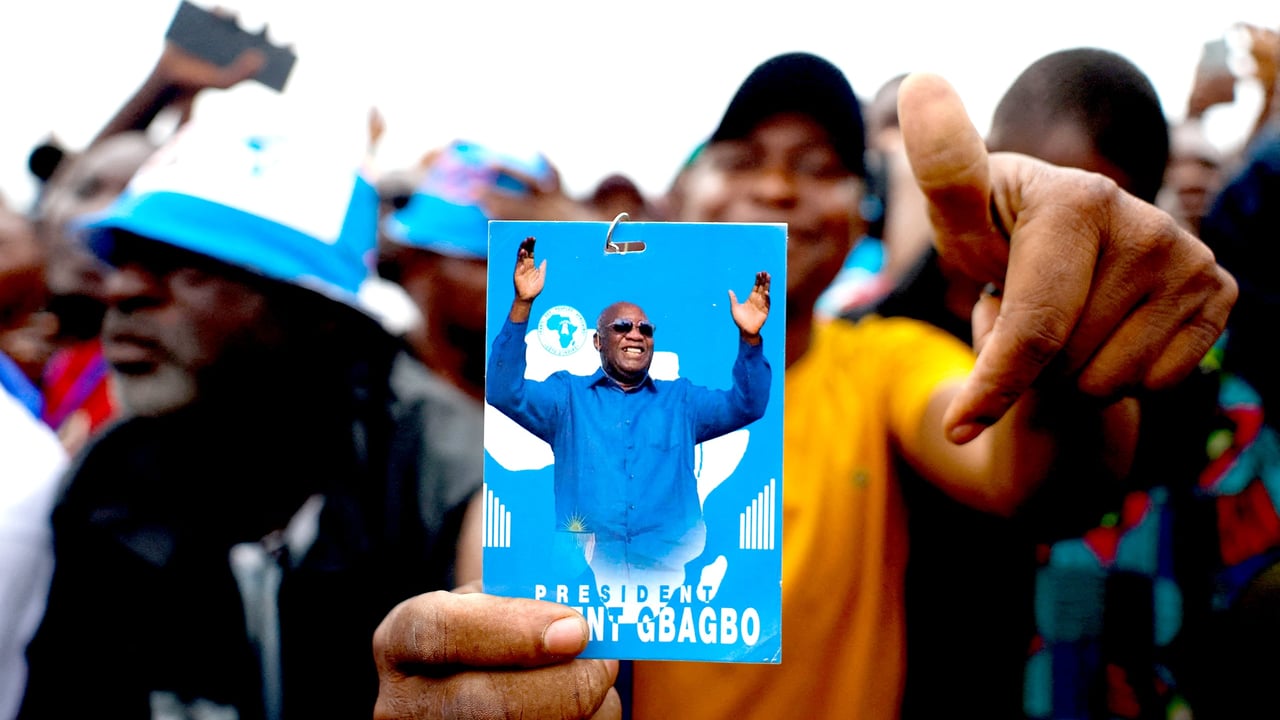
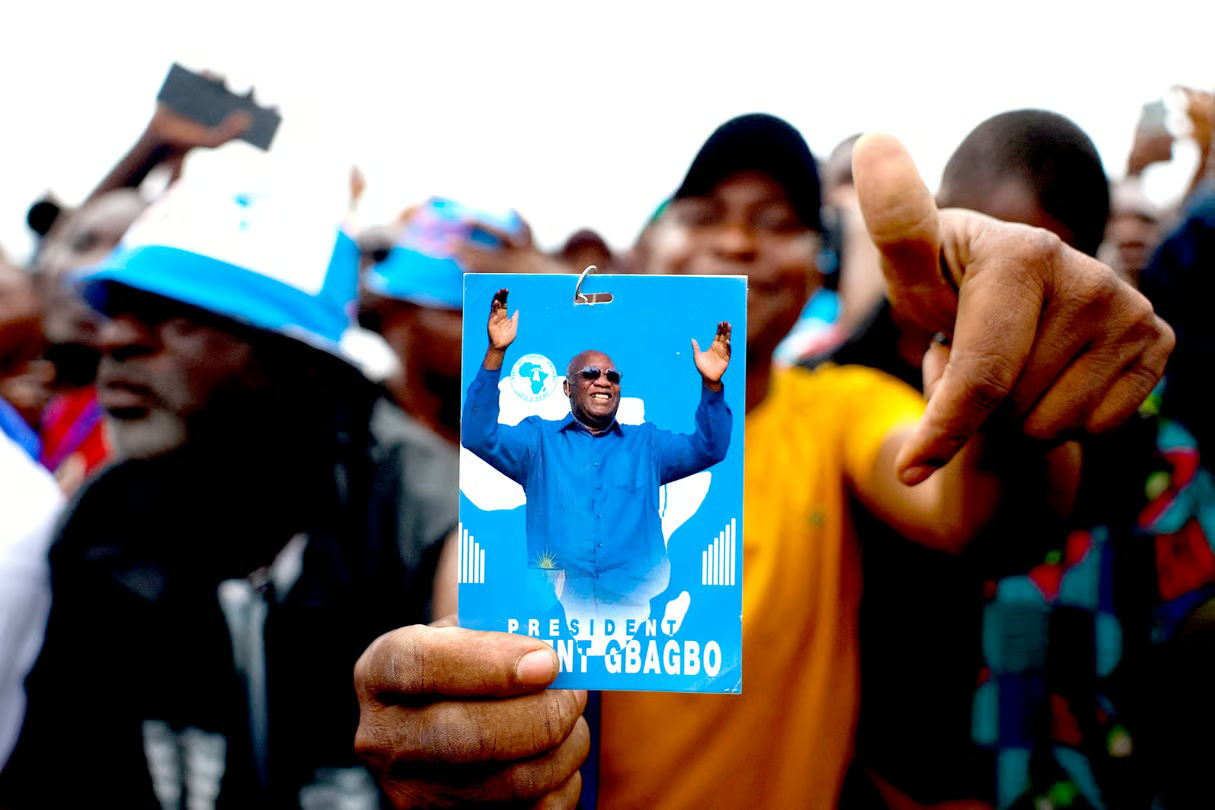
At the Party of Ivorian Peoples (PPA-CI) congress held in Abidjan, Laurent Gbagbo was once again confirmed as the uncontested leader of the movement. The event, which unfolded at the Treichville Cultural Palace, saw unanimous support for his leadership, as no alternative candidate emerged to challenge his authority.
Gbagbo’s re-election was sealed through acclamation, a process that reflected the deep-rooted influence he continues to wield within the party. Observers noted that the congress served as a clear demonstration of his enduring political capital in Côte d’Ivoire.
An uncontested leadership
From the outset, expectations were set: Gbagbo would retain his position. A senior PPA-CI official, speaking on condition of anonymity the day before the congress, predicted, “By the end of the day, the leader will be re-elected, and everyone will be satisfied.” His words proved prophetic.
The absence of any rival candidates only reinforced the perception of Gbagbo’s unchallenged dominance. His physical presence was notably absent on the first day of proceedings, yet the symbolic weight of his leadership remained undiminished. Party members and supporters alike embraced the outcome as a reaffirmation of their collective vision for the PPA-CI.
The congress in Abidjan was not merely a procedural gathering; it was a reassertion of political identity. Delegates from across Côte d’Ivoire converged to endorse Gbagbo’s leadership, highlighting the party’s unwavering cohesion under his direction.
What this means for Côte d’Ivoire’s political landscape
The re-election of Laurent Gbagbo as PPA-CI president sends a strong signal about the party’s future direction. With his leadership now solidified, the party is poised to play a pivotal role in the country’s evolving political dynamics.
Analysts suggest that Gbagbo’s continued influence could shape policy debates and electoral strategies in the lead-up to national elections. His ability to galvanize support within the PPA-CI underscores the party’s resilience and strategic positioning in Côte d’Ivoire’s multiparty system.
The congress also underscored the party’s grassroots strength, with delegates emphasizing their commitment to Gbagbo’s vision. This unity, they argue, is essential for advancing the party’s agenda and addressing the aspirations of Ivorian citizens.
Looking ahead
As Côte d’Ivoire navigates its political future, the reaffirmation of Laurent Gbagbo’s leadership within the PPA-CI marks a defining moment. The party’s next steps will be closely watched, particularly in how it engages with broader national conversations on governance, development, and democracy.
The outcome of this congress reaffirms that, for now, Gbagbo remains the master of his political domain—a position he appears determined to leverage in the years to come.