
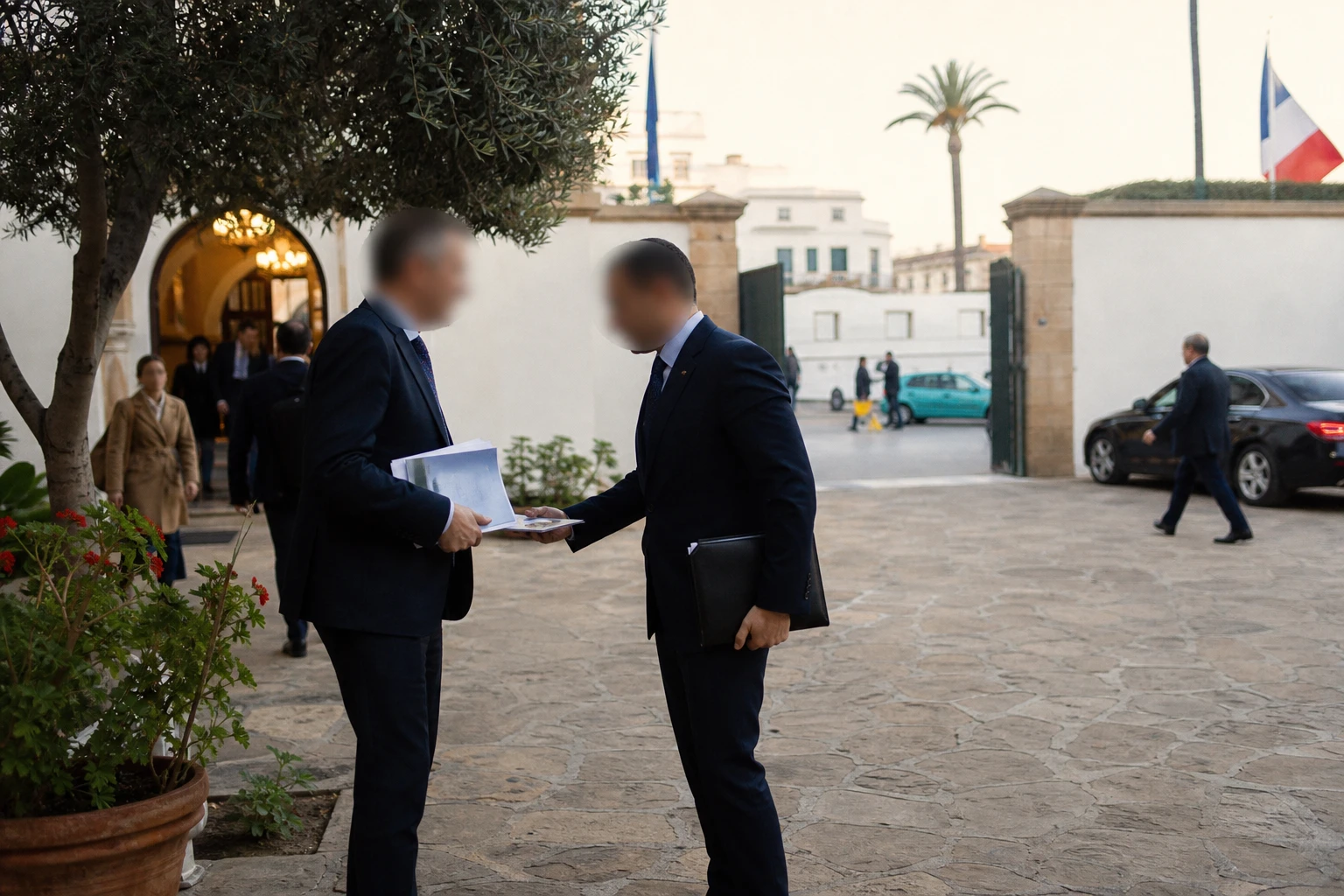
In one of his first major diplomatic moves as Prime Minister, Sébastien Lecornu has embarked on a carefully planned trip to two key allies: the State of Qatar and the Kingdom of Morocco. This two-stop journey is more than a courtesy visit—it’s a deliberate statement of France’s evolving foreign policy priorities.
The itinerary begins in Doha, where the focus is on paying respects to the late former Emir of Qatar, Sheikh Hamad bin Khalifa Al Thani, who passed away in 2024 after nearly two decades of rule. The visit underscores France’s commitment to maintaining strong relations with Gulf partners, even in times of transition. Beyond the protocol, this stop highlights the depth of bilateral ties, which span defense, aerospace, and energy sectors—fields where French companies have secured major contracts over the years.

Strengthening bonds in Rabat
The second leg of the trip takes Lecornu to Rabat, where the stakes are significantly higher. This visit is the first high-level meeting between French and Moroccan officials since 2019, signaling a deliberate effort to rebuild and deepen the bilateral relationship. The timing is strategic: it follows France’s 2024 decision to recognize Morocco’s autonomy plan for Western Sahara as the sole basis for resolving the decades-old conflict—a move that drew sharp criticism from Algeria but strengthened France’s alignment with Rabat.
This shift in policy has already borne fruit. In October 2024, President Emmanuel Macron concluded a state visit to Morocco, where both nations announced a landmark “enhanced exceptional partnership.” The agreements included over €10 billion in investments and economic collaborations, covering areas like renewable energy, infrastructure, and trade. For Morocco, the benefits are clear: stronger European backing in its territorial claims, particularly in Western Sahara. For France, the gains are twofold—reclaiming influence in a key North African market and reinforcing its diplomatic leverage in the region.
A delicate balancing act
Yet, this diplomatic pivot comes with consequences. Algeria, a long-standing rival of Morocco, has reacted strongly, withdrawing its ambassador from Paris in protest. The move has left France navigating a precarious path: deepening ties with Rabat while attempting to avoid a complete rupture with Algiers. The challenge for Lecornu’s government is to demonstrate that France’s support for Morocco’s autonomy plan is not a zero-sum game but part of a broader strategy to stabilize the Maghreb.
Criticism also arises from Western Sahara’s pro-independence movement, the Polisario Front. They argue that France’s stance legitimizes Morocco’s control over the territory, effectively sidelining Sahrawi self-determination. Paris, however, frames its position as a pragmatic step toward negotiation—not an endorsement of occupation—aimed at breaking the deadlock in the conflict.
What’s next?
The success of Lecornu’s mission hinges on two critical outcomes. First, the concrete deliverables from the Rabat meetings—will new economic, security, or migration agreements materialize? Second, the potential visit of King Mohammed VI to France, which could formalize a new era in Franco-Moroccan relations, perhaps even culminating in a new partnership treaty.
As the Prime Minister returns home, the broader question looms large: how far can France push its rapprochement with Morocco without irreparably damaging its relationship with Algeria? Lecornu’s trip doesn’t resolve these tensions, but it sets a clear direction—one where France is recalibrating its alliances in the Maghreb, with Morocco as its new focal point.