
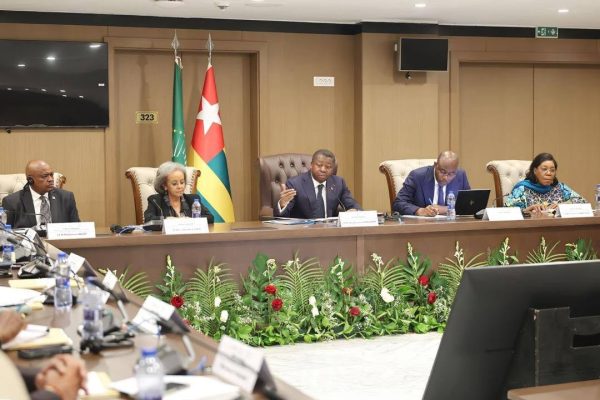
The city of Lomé recently hosted a significant high-level gathering focused on African mediation efforts for the ongoing crisis in the eastern Democratic Republic of Congo (DRC) and the broader Great Lakes region. Chaired by Faure Essozimna Gnassingbé, the Union African-appointed mediator, the discussions primarily addressed a critical objective: enhancing the coordination of currently fragmented peace initiatives.
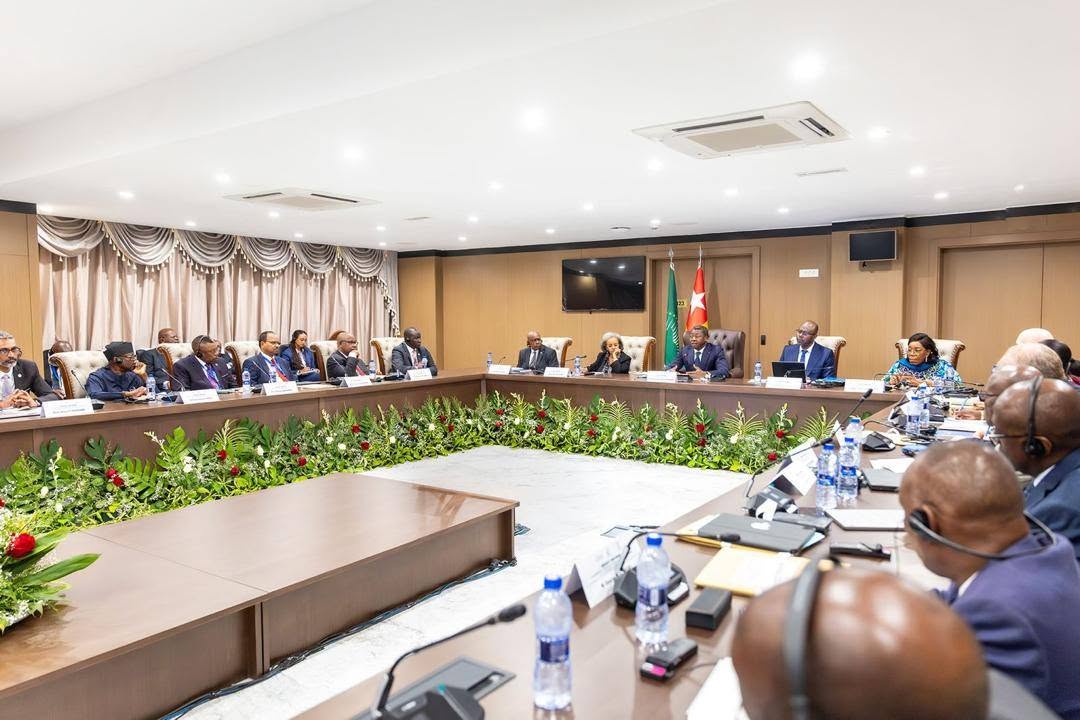
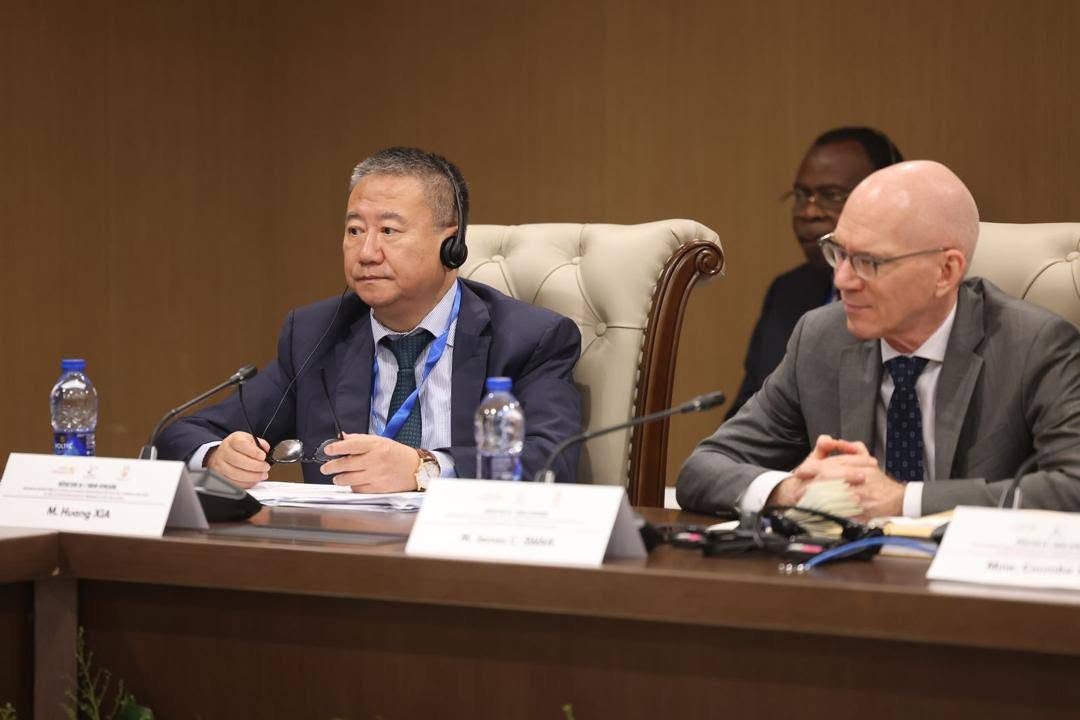
Participating in the discussions were facilitators appointed by the African Union, alongside representatives from the United Nations (UN), the East African Community (EAC), the Economic Community of Central African States (ECCAS), the Southern African Development Community (SADC), the International Conference on the Great Lakes Region (ICGLR), and the International Committee of the Red Cross (ICRC). The diverse attendance underscored the intricate nature of this issue, where regional frameworks, institutional mandates, and parallel diplomatic endeavors frequently intersect.
Structuring the mediation framework
This recent semi-annual meeting builds upon the momentum from previous discussions held in Lomé last January. During that earlier session, participants had already focused on ensuring the coherence of the mediation mechanism and the imperative of solidifying the peace process.
President Faure Gnassingbé observed that notable strides have been made since the last gathering, particularly in streamlining the internal organization of the mediation architecture. In his view, the focus has shifted from merely initiating numerous efforts to ensuring these initiatives are clearer, more unified, and ultimately more impactful on the ground.
This refined approach directly addresses a recurring challenge in protracted crises: the tendency for too many actors to operate without adequate coordination, which can undermine the efficacy of diplomatic endeavors. Consequently, the declared priority in Lomé was to introduce greater order into the peace process.
Embracing African-led dialogue
The African Union mediator reiterated his unwavering commitment to his mission, vowing to persist despite ongoing challenges. He emphasized the critical need to sustain collective mobilization for stability in eastern Congo, where violence and armed tensions continue to severely impact civilian populations.
By positioning inclusive dialogue at the core of his strategy, Faure Gnassingbé advocates for a distinct diplomatic stance: prioritizing African-driven solutions, implemented through African mechanisms, while simultaneously maintaining engagement with other international initiatives. This approach aims to prevent duplication of efforts and bolster the overall credibility of the peace process.
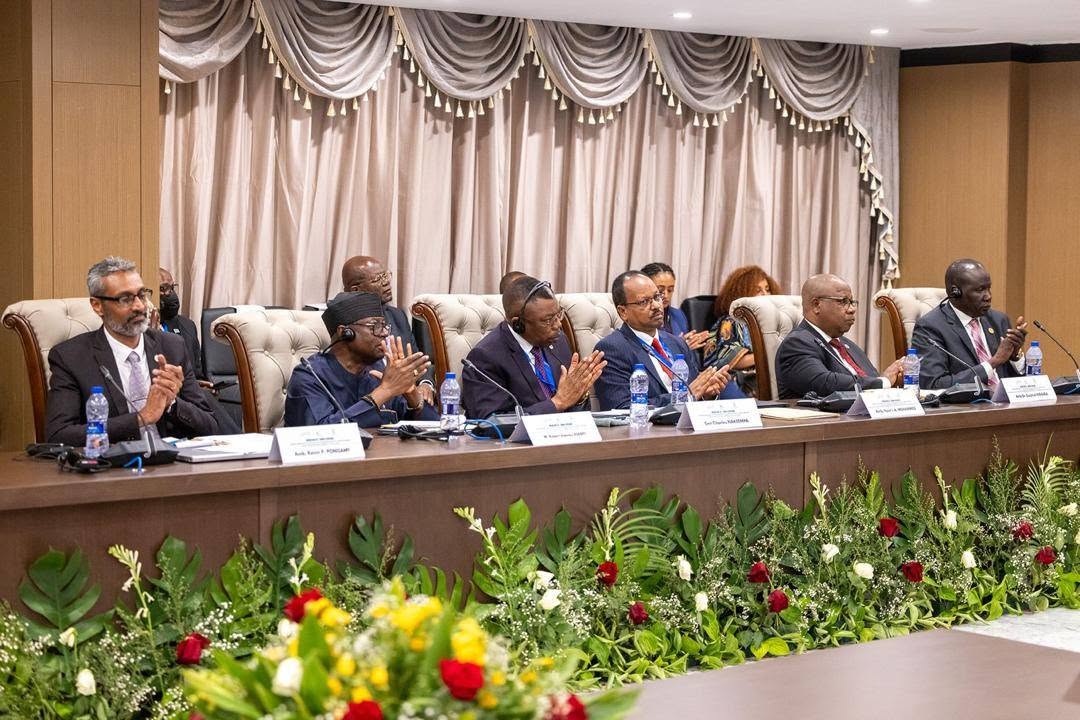
Stakeholders commended this leadership, acknowledging its role in rebuilding trust among various actors and harmonizing ongoing approaches. They believe that successful mediation hinges on a clear structural framework, well-defined responsibilities, and rigorous monitoring of commitments.
Key decisions for the upcoming semester
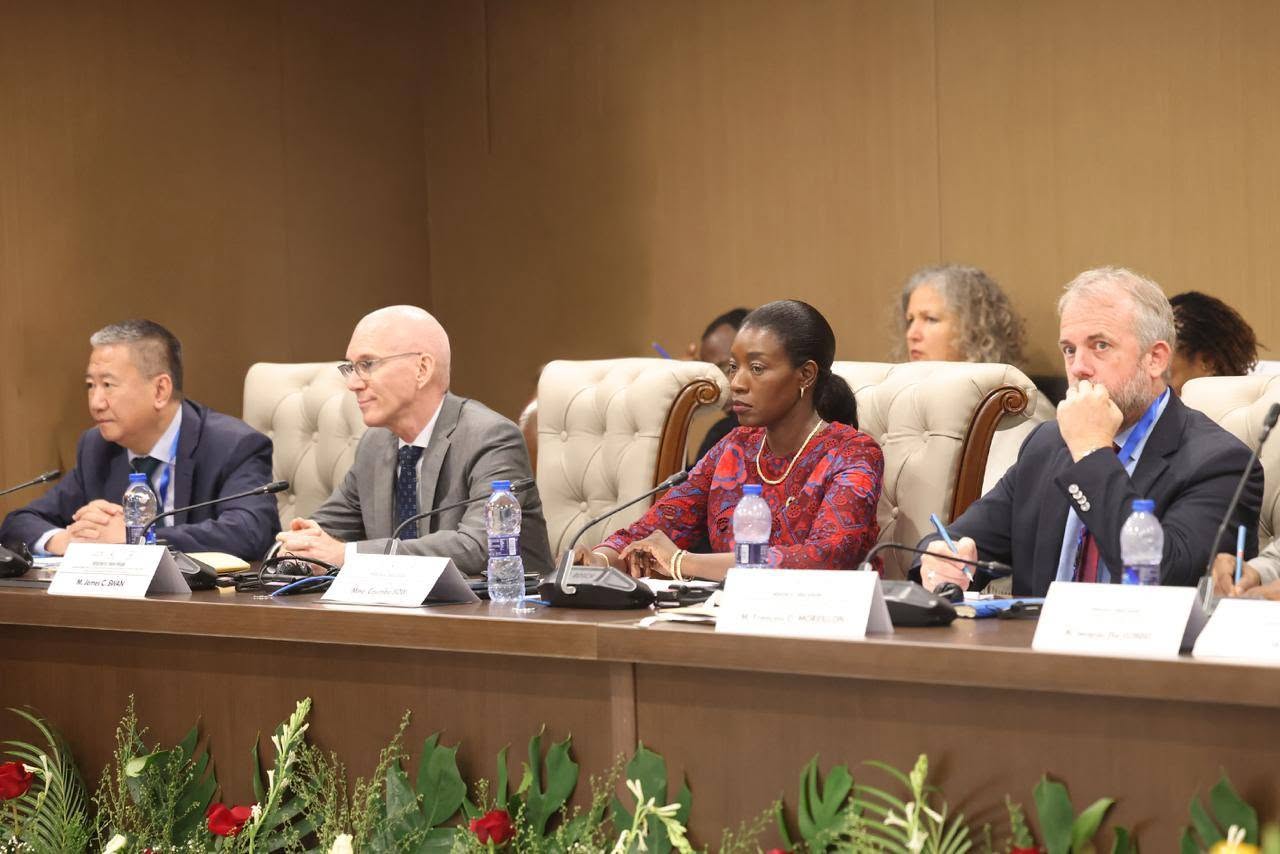
The Lomé meeting culminated in several tangible strategic directions. Specifically, participants resolved to enhance coordination among the Mediator’s Office, the panel of facilitators, the African Union Commission, and the independent Joint Secretariat.
They also highlighted the importance of developing a more structured African contribution to the Washington and Doha processes. The aim is to foster greater ownership of these initiatives by regional actors and to facilitate their practical implementation.
In this vein, involved states and organizations were urged to intensify their cooperation, adhering to the roles outlined by the framework adopted in Lomé on January 17, 2026. An operational action plan is now slated for finalization within fifteen days to translate these strategic guidelines into concrete actions.
Lomé: a pivotal diplomatic hub
Fundamentally, this gathering reaffirms Lomé’s increasing prominence as a key diplomatic platform for the Congolese dossier. Togo is progressively establishing itself as a central meeting point for discussions concerning peace in the Great Lakes region.
The crucial question remains whether this commitment to enhanced coordination will yield tangible results on the ground. In a crisis of such prolonged and dynamic nature, the true measure of mediation lies not merely in its declarations but in its sustained ability to keep all stakeholders engaged around a common table and to incrementally advance a shared roadmap for peace.