
Massacre in Mali: Army and dozos blamed for killing at least 31 civilians
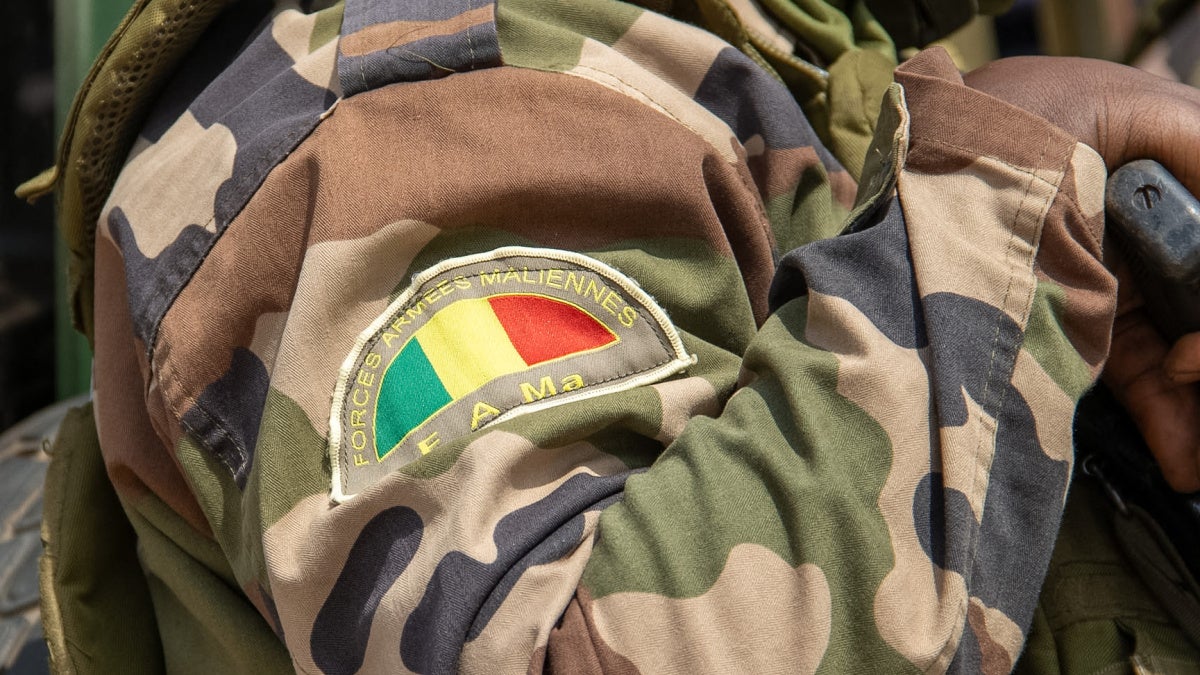
NAIROBI — The Malian army and allied militia groups, including the dozos, are accused of killing at least 31 civilians and burning homes in two villages in the conflict-ridden Ségou region during two separate attacks in October, according to a report by Human Rights Watch (HRW).
The first incident occurred on October 2 in Kamona village, where soldiers and dozos—traditional hunters mainly from the Bambara ethnic group—executed at least 21 men and torched over 10 homes. The second attack took place on October 13 in Balle village, some 55 kilometers away, where nine men and one woman were killed. Both villages lie in an area under the control of the Group for the Support of Islam and Muslims (GSIM, JNIM), an Al-Qaeda-linked jihadist faction.
Witnesses told HRW that soldiers and dozos summarily executed villagers after accusing them of collaborating with GSIM fighters, who had reportedly fled before the military arrived. “The October massacres in Ségou are just the latest atrocities linked to the Malian army and its allied militias,” said Ilaria Allegrozzi, Senior Sahel Researcher at HRW. “Malian authorities must conduct a credible and impartial investigation into these killings and hold those responsible to account through fair trials.”
Survivors recount horrors of targeted killings
In Kamona, survivors described how soldiers arrived in at least seven pickups and three armored vehicles, accompanied by dozos on motorcycles, and rounded up men before executing them. A 40-year-old shepherd, who hid with his 9-year-old daughter, found 17 bodies under a tree, including some with shattered skulls. “The bodies were riddled with bullets,” he recalled, adding that spent cartridges littered the scene.
Villagers provided a list of 21 male victims aged 20 to 65, though some locals claimed up to 15 more men may have been killed in nearby bushland. “We heard gunshots all day but didn’t dare check,” one resident admitted. The attackers also destroyed 10 huts and three storage buildings belonging to Fulani families, a community often targeted in the conflict.
The October 13 attack on Balle saw soldiers and dozos kill 10 civilians, including a 55-year-old woman, and steal over 100 cattle. A 33-year-old man recounted finding the bodies in the village center: “They were lined up, shot at close range. Some had broken limbs.” The woman’s daughter, aged 21, described how her mother confronted the soldiers, only to be executed alongside the men.
Military denies responsibility amid growing tensions
The Malian military’s chief of staff claimed the October 13 operation near Balle was a “counterterrorism mission,” resulting in the “neutralization of around 20 terrorists” and the seizure of weapons. However, residents insisted the village had been under GSIM control for years, with locals paying zakat (Islamic tax) and relying on jihadists to resolve disputes—leaving no presence of state security forces.
Since 2012, Mali has been embroiled in a brutal conflict with Islamist armed groups, leaving thousands dead and displacing over 402,000 people. HRW has documented widespread abuses by both the military and allied groups, as well as by GSIM and other factions. The recent attacks followed a GSIM blockade of Bamako in early September, cutting off fuel supplies and forcing the military junta to temporarily shut down schools nationwide.
The violence underscores the worsening security crisis in Mali, where civilians bear the brunt of clashes between state forces and insurgents. International humanitarian law prohibits attacks on civilians, murder, and cruel treatment—crimes that could constitute war crimes if proven intentional. While Mali withdrew from the International Criminal Court (ICC) in 2025, it remains bound by the Rome Statute until September 2026, with the ICC having opened an investigation into alleged war crimes since 2012.
The African Union (AU) has been criticized for its limited response to the escalating conflict. HRW urged the AU’s Peace and Security Council to prioritize Mali, urging stronger diplomatic efforts and accountability measures against all perpetrators of abuse.