
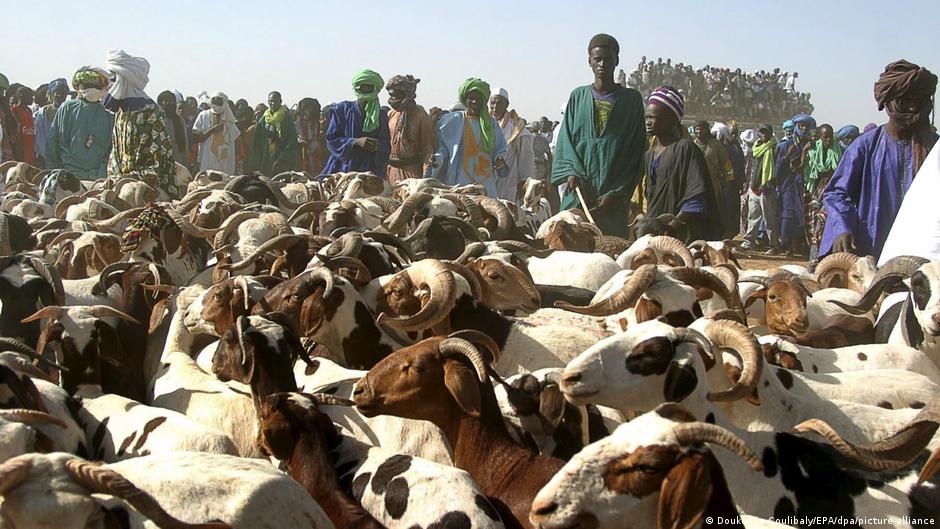
The Malian capital, Bamako, is currently experiencing a surge in sheep supply ahead of the upcoming Tabaski celebrations. Herders and traders have successfully transported thousands of animals into the city, filling markets, roadsides, and even football fields. This marked improvement follows months of disrupted deliveries caused by Jnim terrorist attacks along key supply routes.
Most of these livestock arrived in armored convoys, meticulously escorted by the Malian Armed Forces. However, reports indicate that several unprotected shipments were intercepted and set ablaze by armed groups, significantly driving up market prices for the holiday.
escalating threats on the Ségou-Bamako corridor
The 200-kilometer stretch between Ségou and Bamako—home to National Road 6—has become a high-risk zone. Since late April, Jnim militants, an Al Qaeda-affiliated faction, have intensified their blockade strategy. Their targets include commercial transport trucks and even private vehicles, enforcing what they term the “siege on Bamako.”
military countermeasures against the blockade
In response, the Malian military has deployed a multi-layered security strategy ahead of Tabaski. This includes intensified aerial surveillance, round-the-clock ground patrols, and armed escorts for livestock convoys. Despite these efforts, armed factions continue to ambush sheep transporters.
A livestock trader from Ségou shared his harrowing journey to Bamako:
“Near Zambougou, our truck carrying sheep came under attack. Militants hurled explosives, forcing the driver to halt abruptly. Within moments, the vehicle was engulfed in flames. We managed to salvage only a few animals and personal belongings before trekking the remaining kilometers to Konobougou. The next day, we boarded a military-protected bus to Bamako, thanks to the army’s escort between Konobougou and Zantiguila.”
soaring costs and market strain
The blockade has sent transport costs skyrocketing—from 2,000 CFA francs in rural areas to 5,000–6,000 CFA francs in Bamako. Families preparing for Tabaski are feeling the pinch, with sheep prices nearly doubling compared to last year. A Bamako resident explained:
“Last year, this sheep cost 125,000 CFA francs. Now, vendors in Sans Fil are asking 175,000 CFA francs, while other markets in Bamako demand up to 250,000 CFA francs. The road blockade is clearly driving these exorbitant prices.”
government steps in with subsidized sales
To ease the financial burden on citizens, authorities have announced a massive subsidized sheep sale initiative, launching tomorrow. Designated sales points include Sogoniko municipal grounds, the Hippodrome, Torokorobougou, Sahaba Field in Lafiabougou, and the former AS Real football ground in Badialan I. The initiative aims to stabilize prices and ensure families can celebrate Tabaski without financial strain.