
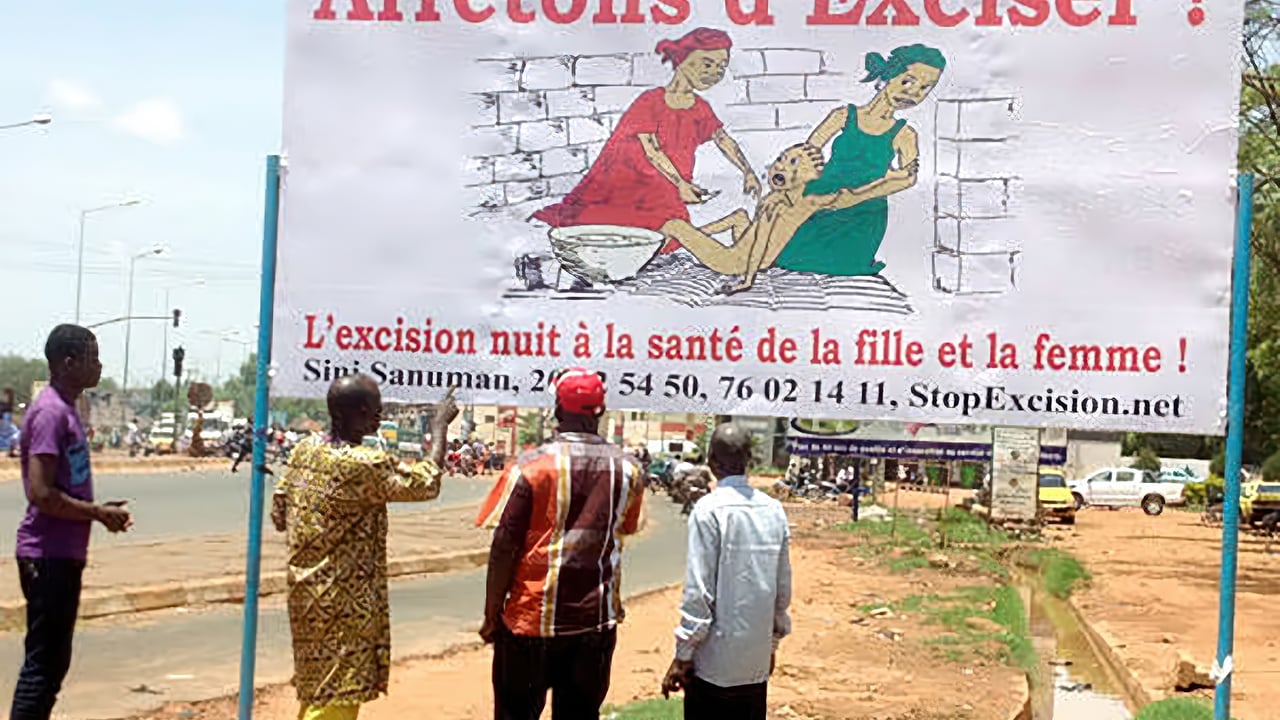

Mali is currently grappling with a profound and multifaceted discussion surrounding female genital mutilation (FGM). This deeply ingrained practice, often upheld by long-standing cultural norms, faces increasing advocacy from public health experts and human rights organizations both within the country and across the globe. The nation finds itself at a pivotal moment, striving to reconcile entrenched traditions with the urgent need to protect the health and fundamental rights of women and young girls.
President Assimi Goïta is actively involved in navigating this delicate societal conversation, seeking to carefully manage the ongoing discourse about FGM. The significant challenge lies in addressing a practice that, despite its widespread prevalence, is associated with severe health risks and critical human rights implications. Continuous efforts are underway to engage local communities and enhance awareness regarding the detrimental impacts of FGM, with the aim of fostering a gradual shift in social attitudes without alienating significant portions of the population.
The current administration’s strategy emphasizes thoughtful engagement with influential figures, including religious leaders, community elders, and various civil society groups. This collaborative approach is vital for facilitating an open yet carefully guided dialogue, crucial for building understanding and working towards a consensus on an issue that deeply intersects with personal beliefs and cultural identities throughout Mali. The overarching objective remains to forge a sustainable path forward that respects the nation’s diverse social fabric while steadfastly advancing the protection and well-being of all its citizens.