
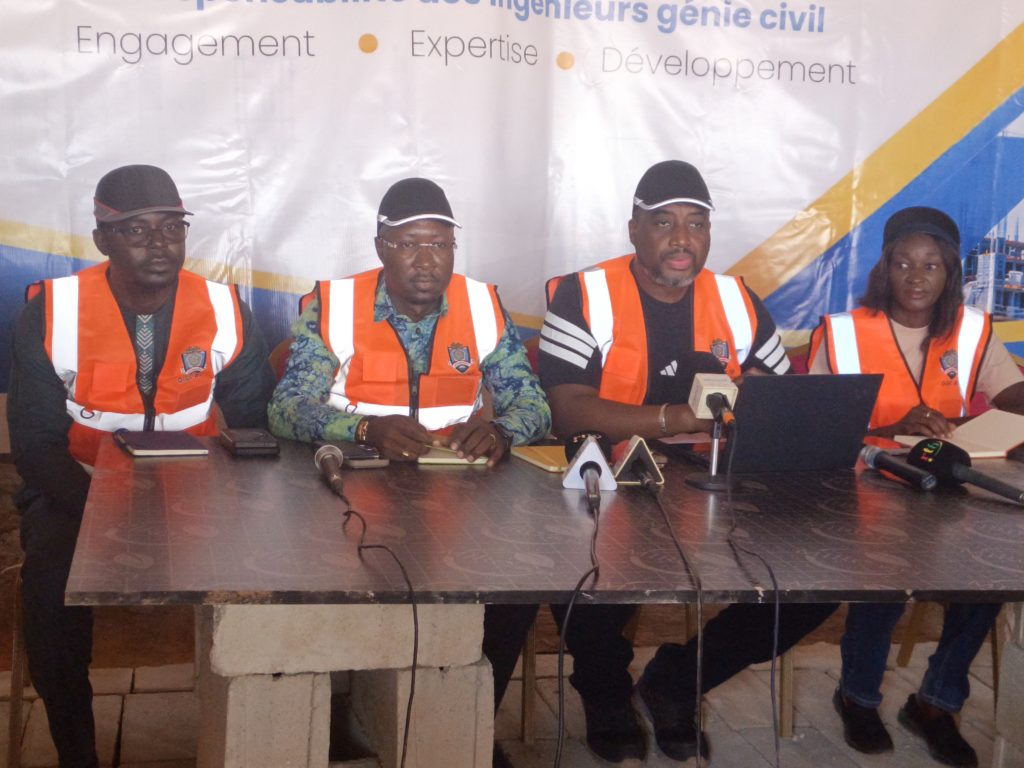
Burkina Faso’s Order of Civil Engineers (OIGC-BF) has issued a stark reminder: the safety and durability of the nation’s infrastructure rest squarely on the shoulders of licensed civil engineers. At a press briefing in Ouagadougou, OIGC-BF President Ousmane Honoré Ouédrago reaffirmed the profession’s critical role in upholding construction standards, combating illegal practice, and ensuring long-term structural integrity across the country.
Every bridge, road, and building in Burkina Faso is a testament to engineering expertise—or a warning of neglect. The OIGC-BF’s message was clear: only qualified, registered professionals can guarantee that infrastructure meets national safety and sustainability benchmarks.
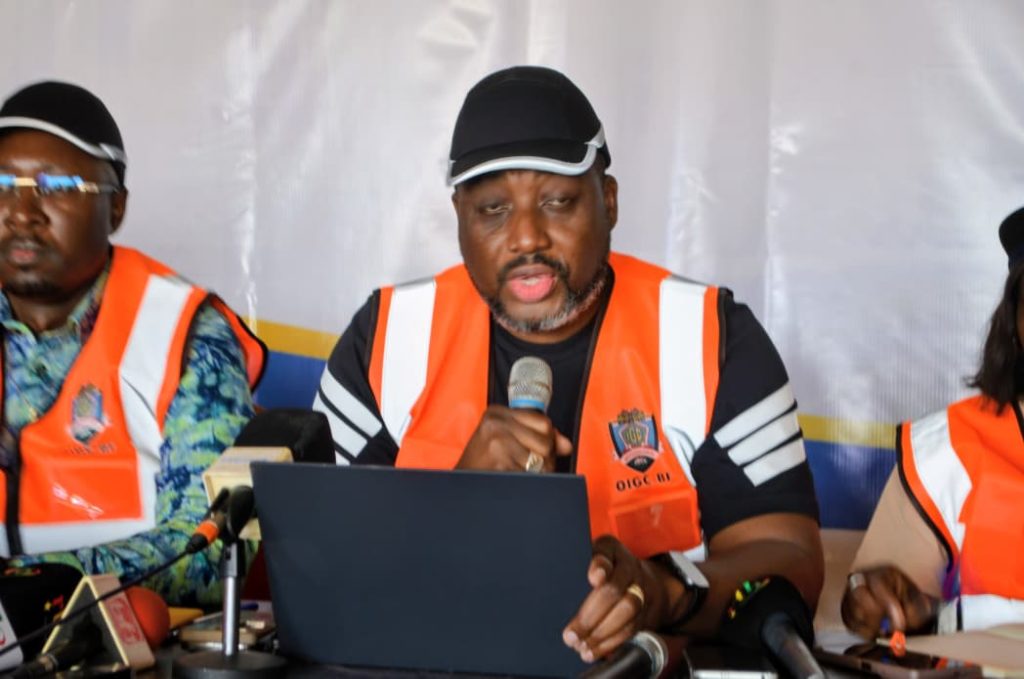
Licensed engineers: the backbone of safe construction
Ousmane Honoré Ouédrago emphasized that Burkina Faso’s sovereignty is deeply tied to its ability to develop modern, climate-resilient infrastructure. This vision aligns with national policy priorities and underscores the need for technical expertise in every project, from urban roads to rural water systems.
The OIGC-BF has identified several core responsibilities under his leadership:
- Enforcing licensing requirements for all civil engineers
- Combating illegal practice with legal and administrative action
- Updating professional standards to reflect changing needs
- Strengthening training and continuous professional development for engineers
- Introducing standardized fee schedules for engineering services
Legal framework: protecting public safety and professional integrity
Ouédrago stressed that Burkina Faso’s Law No. 020-2012/AN of May 10, 2012 is unambiguous: only registered engineers can legally practice civil engineering in the country. The law’s Article 8 explicitly prohibits unlicensed practice, while Article 68 penalizes those who operate without valid insurance or registration.
“These laws aren’t barriers—they’re safeguards,” Ouédrago said. “They ensure that every school, hospital, or bridge is designed, built, and supervised by a qualified professional who is accountable for the work.”
Violations carry severe consequences: fines, imprisonment, business closure, equipment seizure, and exclusion from public contracts. The message is simple: non-compliance puts lives, property, and national development at risk.
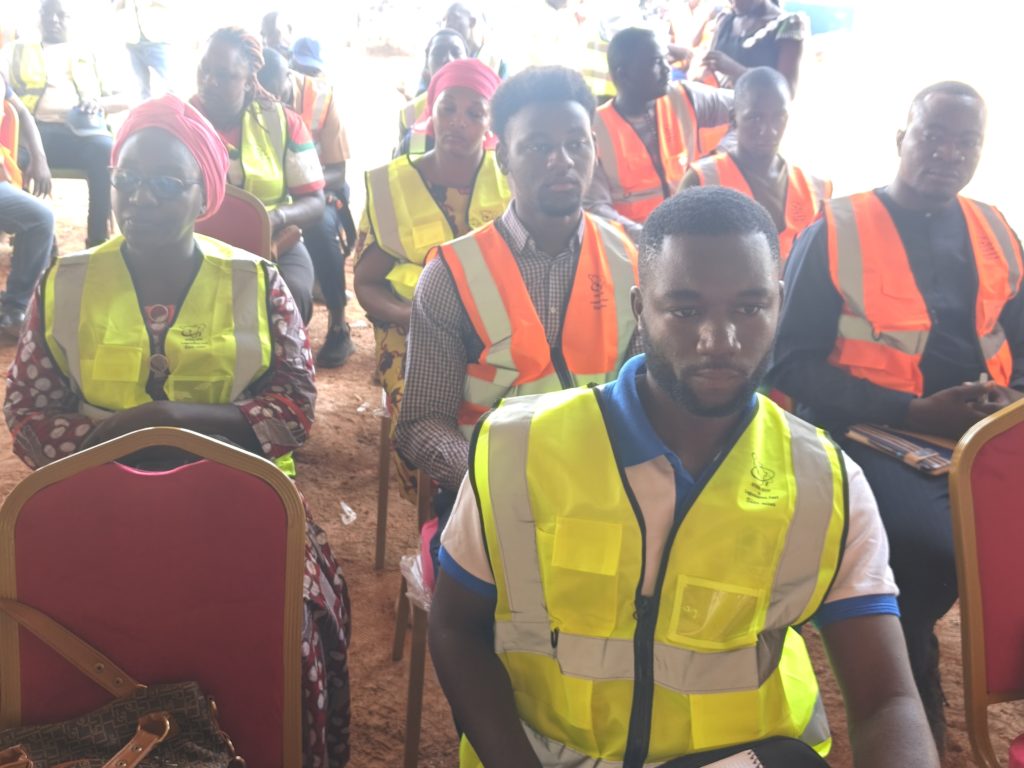
Strengthening sub-regional collaboration for Sahel-wide standards
Beyond national enforcement, the OIGC-BF is expanding its regional partnerships. Plans are underway to co-organize the 2027 Sahel Alliance of States (AES) Civil Engineering Scientific Conference with counterparts in Mali and Niger. The goal: to harmonize technical norms that respond to the region’s unique climate and geological challenges.
“This conference will bring together engineers from across the Sahel and beyond,” Ouédrago said. “Together, we will define shared benchmarks that ensure our infrastructure is safe, sustainable, and built to last.”
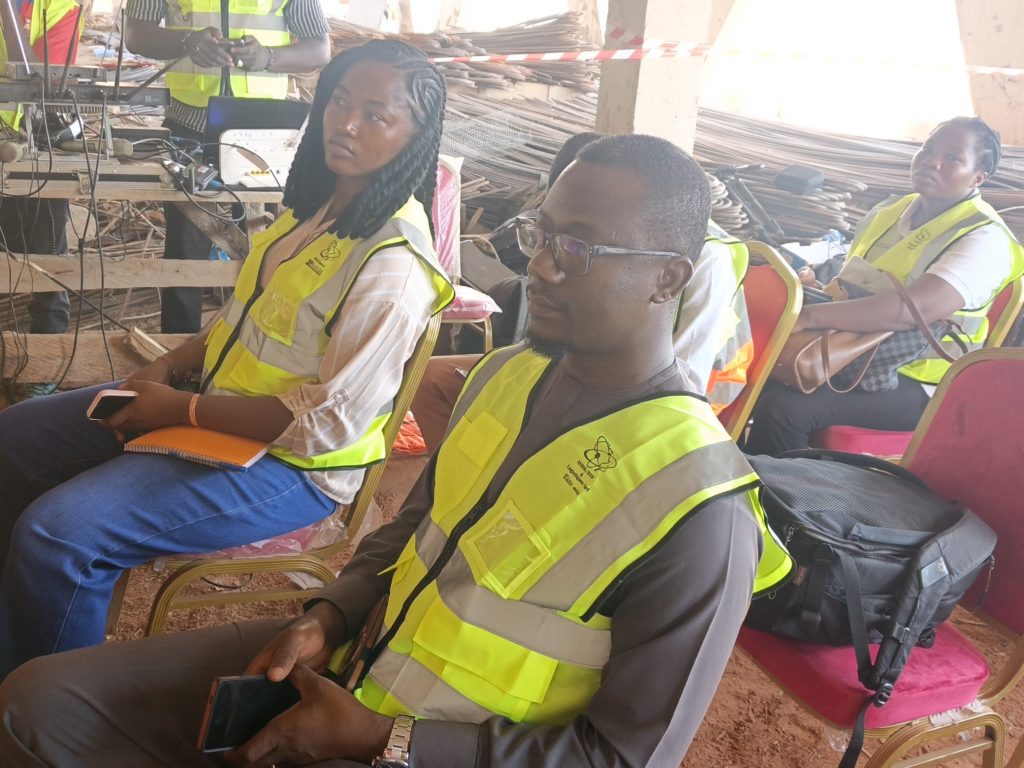
From policy to practice: what’s next for Burkina Faso?
The OIGC-BF’s strategy combines legal enforcement, professional development, and regional cooperation. Key steps include:
- Finalizing a national engineering fee schedule to standardize costs
- Launching legal action against unlicensed practitioners
- Publishing updated professional codes to guide engineers and clients
- Expanding pre-professional training and lifelong learning programs
- Establishing a joint technical committee with Mali and Niger by early 2027
The stakes are high. In Burkina Faso, where rapid urbanization and climate pressures are reshaping infrastructure needs, only licensed civil engineers can ensure that every structure—whether a market stall or a national highway—stands strong for generations.
The OIGC-BF’s mandate is clear: raise standards, protect the public, and build a safer future.