
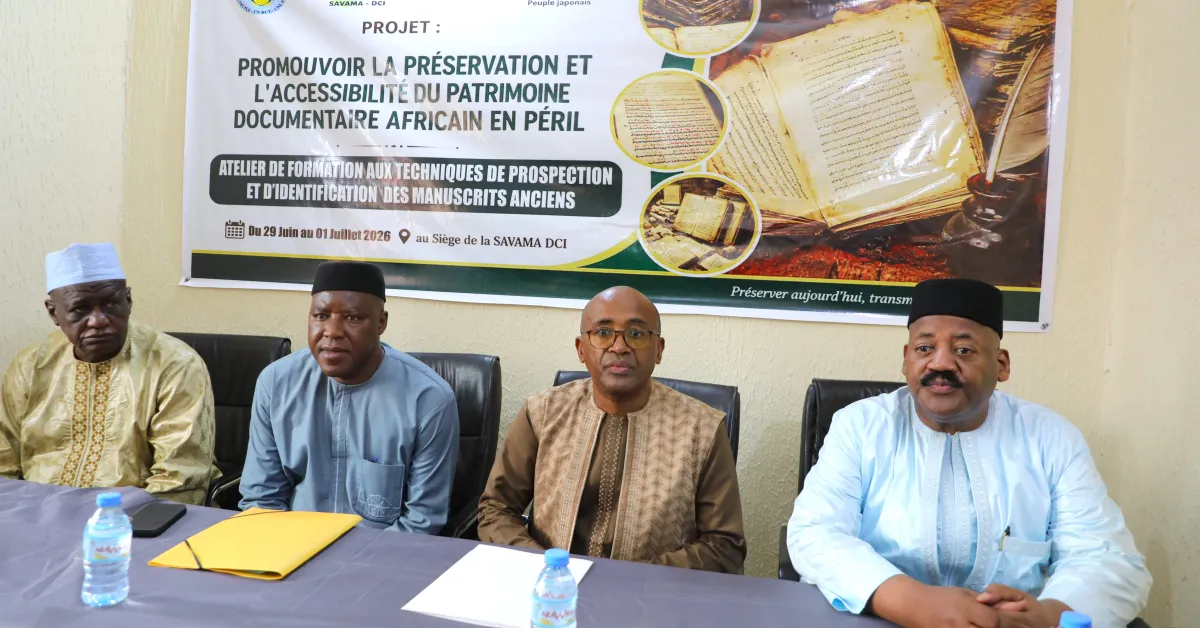
In a decisive move to safeguard the Sahel’s intellectual history, a comprehensive capacity-building program has been inaugurated in Mali. This initiative, part of the broader project titled “Promoting the preservation and accessibility of African documentary heritage at risk,” focuses on providing specialized training for those tasked with managing the country’s invaluable ancient manuscripts.
Organized through a collaboration between UNESCO and the NGO SAVAMA-DCI, the program aims to train more than 70 individuals. The group includes researchers, students, and members of families who have served as traditional custodians of these historical documents for generations. The goal is to equip them with the modern skills necessary to preserve and promote this unique cultural legacy.
A vital response to heritage threats
The ancient manuscripts of Mali represent a critical repository of African knowledge and historical evidence. However, these treasures are currently facing dual threats from regional security instability and the escalating impacts of climate change. Protecting them has become a top priority for national authorities and international partners alike.
This training cycle is designed to build upon previous conservation efforts while introducing improved methods for making these documents accessible to the public. The program is structured into two primary phases:
- Prospection and Identification: Running from June 29 to July 1, 2026, this phase teaches participants how to effectively locate and identify manuscripts within private family collections and local libraries.
- Inventory and Cataloging: Scheduled for July 2 to July 4, 2026, this session focuses on the systematic organization and description of documents using standardized archival methods.
The official launch of these sessions took place on June 29, 2026, attended by Mamadou Cissé, representing the Ministry of Culture, alongside Ali-Mohamed Sinane from UNESCO and the leadership of SAVAMA-DCI. During the ceremony, Mamadou Cissé affirmed the government’s full support for the project, noting that the Ministry would closely monitor the initiative’s impact on heritage protection.
Preserving memory for future generations
Ali-Mohamed Sinane emphasized the deeper significance of the work, stating that protecting these manuscripts is equivalent to preserving the collective memory and identity of the people. He expressed hope that the workshops would foster a strong commitment to safeguarding Mali’s documentary legacy for future generations.
Once the initial workshops are complete, the 15 primary agents will be prepared to conduct field missions and integrate manuscripts into structured inventory systems. The program will continue in the coming months with additional sessions for researchers and students, focusing on the critical editing and translation of these ancient texts.
Supported by the Government of Japan, this collaborative effort underscores a shared dedication to ensuring that Africa’s documentary heritage is not only protected from physical decay but also recognized globally for its immense historical value.