
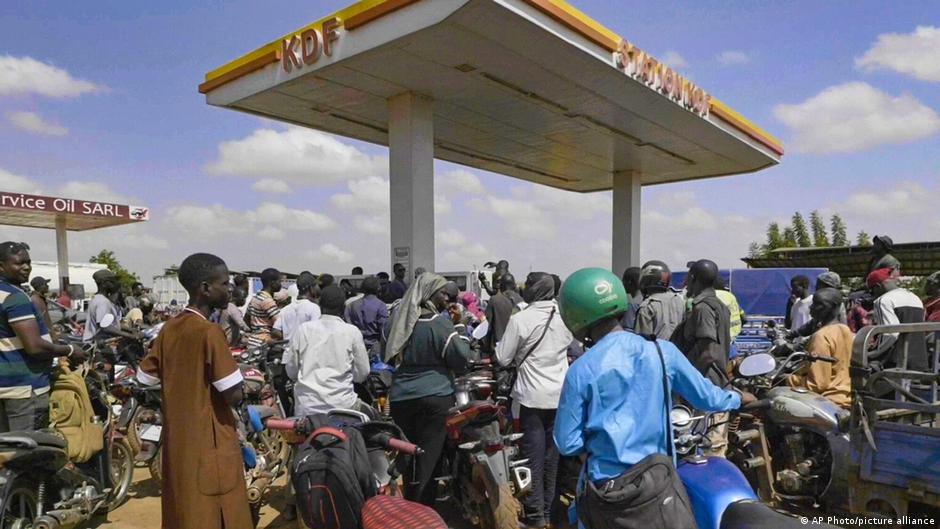
Large-capacity motorcycles are now officially prohibited outside of Mali’s major urban centers for a renewable one-year period. This strategic move, announced by the transition government, aims to severely limit the operational mobility of armed terrorist factions. Beyond the road restrictions, the authorities have also suspended the importation, sale, and distribution of these two-wheeled vehicles across the entire nation for the same duration. While intended as a security measure, the decree has been met with significant apprehension, particularly among those living in rural communities.
The restrictions were formalized through an interministerial order shared via national broadcast. Under the new rules, motorcycles with an engine capacity of 125cc or higher are barred from traveling outside of major population hubs. For the purposes of this law, the District of Bamako, along with regional, circle, and district capitals, are classified as the only areas where these vehicles may still circulate.
Local adaptation and challenges
Regional governors have been granted the authority to further refine these restrictions or enforce stricter bans within their jurisdictions based on the local security climate. In the central region of Bandiagara, residents fear the practical implications of the law. One local inhabitant pointed out that in the Dogon country, these powerful bikes are the only vehicles capable of navigating the steep, mountainous terrain and rugged paths. They are vital for everyone, including the Malian Armed Forces (FAMa), humanitarian workers, and farmers. In many cases, these motorcycles even serve as essential transport for the sick when ambulances are unavailable.
Growing economic anxiety
In Mopti, another central hub, owners of large motorcycles are visibly worried. Many rely on these machines to commute to surrounding villages for farming, livestock management, and fishing. While some recognize the security necessity of curbing 125cc bike traffic, they are deeply concerned about their livelihoods. One resident noted that he has already grounded his motorcycle, despite it being his primary tool for delivering bread to remote communities outside Mopti.
Armed groups frequently utilize high-powered motorcycles to maintain high mobility and launch surprise attacks across Mali. However, for the civilian population, these robust vehicles are often the only means of supporting their families in the absence of other transportation options. This radical security measure follows a major coordinated offensive in late April 2026 by Jnim militants and their allies from the Front de libération de l’Azawad (FLA). Observers suggest that while the ban highlights the severity of the security crisis in Mali, it carries a heavy social and economic burden for its citizens.