
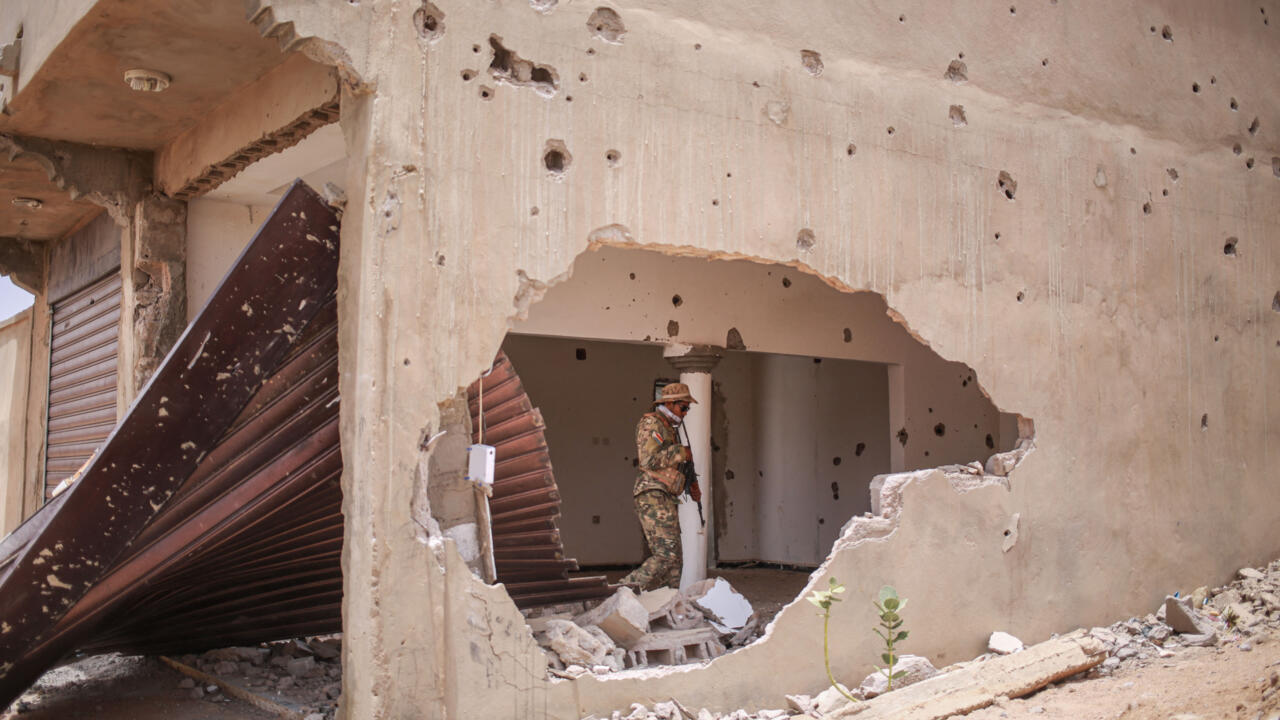
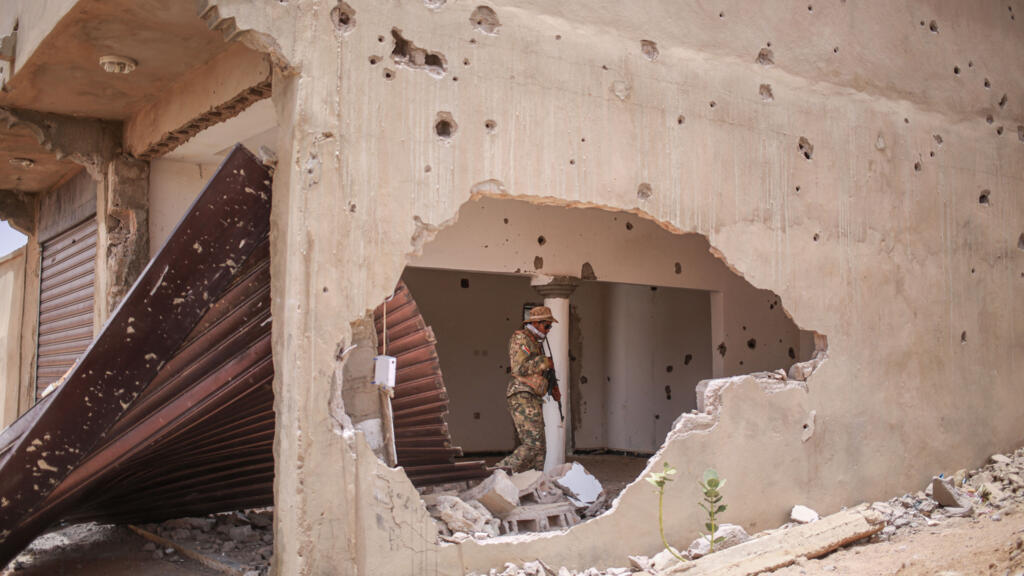
Mali’s security strategy under scrutiny after coordinated jihadist attacks
The Timbuktu Institute, a Dakar-based African research center for peace, has released a critical analysis titled « Mali: Anatomy of a Security Earthquake ». The report examines the coordinated attacks on April 25 by Jama’at Nusrat al-Islam wal Muslimin (JNIM), an al-Qaeda affiliate, and the Front de Libération de l’Azawad (FLA), which resulted in the death of Mali’s Defense Minister, General Sadio Camara, and the fall of Kidal in the North. The analysis questions the effectiveness of Mali’s security partnerships with Russia and the Alliance of Sahel States (AES), as well as public sentiment and the sustainability of the JNIM-FLA alliance.
Bakary Sambe: External security partnerships have failed Mali
Bakary Sambe, Director of the Timbuktu Institute in Dakar, argues that the April 25 attacks expose the failure of outsourcing security to external actors. The death of General Sadio Camara and the chaotic withdrawal of Africa Corps forces from Kidal symbolize, in his view, the collapse of the Wagner-Africa Corps strategy. After the withdrawal of Operation Barkhane, which had at least some civilian-military development aspects, outsourcing security to Moscow proved ineffective against a locally entrenched guerrilla movement.
While attacks are inevitable when a country faces armed groups, the Africa Corps, as shown in recent footage, remains active alongside the Malian army. However, the chaotic retreat from Kidal and Tessalit demonstrates the limitations of this outsourcing approach.
AES alliance underperforms amid security threats
The April 25 attacks also highlight the limitations of the Alliance of Sahel States (AES), designed as a mutual defense pact. Despite the Liptako-Gourma Charter mirroring NATO’s Article 5, neither Niger nor Burkina Faso provided military support. While regional leaders like Burkina Faso’s President Traoré condemned the attacks as a « monstrous plot », no concrete mobilization followed. Burkina Faso itself was grappling with internal security threats, reflecting the broader regional preoccupation with domestic challenges.
Public sentiment: A paradox of resilience amid unmet security promises
Sambe notes a paradoxical shift in public opinion. While the transitional government’s security promises remain unfulfilled, the attacks have paradoxically strengthened national unity. The legitimacy of the current regime, led by General Assimi Goïta, now hinges almost entirely on its security promises. The attacks evoke memories of 2012, when armed groups rapidly overran northern Mali, but this time, the population’s rallying around the flag has temporarily bolstered the regime’s standing.
JNIM-FLA alliance: A tactical convergence, not a lasting partnership
Sambe questions the longevity of the alliance between JNIM and the FLA, describing it as a tactical convergence rather than a strategic union. The coordinated attacks reveal an unprecedented level of coordination between the two groups, driven by a shared enemy—the transitional government—and pragmatic interests such as trafficking. However, their goals diverge fundamentally: JNIM seeks to impose Sharia law, while the FLA advocates for Azawad’s autonomy.
Sambe also highlights the uncertainty of JNIM’s commitment to the FLA’s territorial demands, particularly given the influence of figures like Iyad Ag Ghaly and the dominance of the Katiba Macina faction within JNIM.
Could dialogue be the solution?
Sambe argues that national dialogue is the only viable path forward. He emphasizes that jihadist groups are no longer external invaders but are increasingly embedded within Malian society. Public sentiment, including among those who have joined armed groups, reflects a growing call for Mali to engage in inclusive dialogue with all its citizens. The transitional government, however, continues to favor a military response.