
Reading time: 2 minutes
A dozen road transport companies have halted services to and from Bamako after jihadist groups imposed a crippling road blockade around the capital and torched multiple vehicles.
The Mali government faces mounting pressure following large-scale coordinated attacks on April 25 and 26. These assaults, carried out by the Group for the Support of Islam and Muslims (JNIM), an Al-Qaeda affiliate, and the predominantly Tuareg Azauad Liberation Front (FLA), targeted strategic positions held by the ruling military junta.
Since April 30, armed groups have enforced a total blockade of Bamako, cutting off critical road arteries that supply the landlocked nation. The capital relies almost entirely on road imports, making the shutdown particularly damaging.
“We’ve temporarily suspended operations to protect passengers and reduce losses,” explained a transport agency manager to AFP. The executive, requesting anonymity, revealed that six buses belonging to the company were destroyed in attacks on the Ségou route last Saturday.
Over a dozen transport firms have officially announced service suspensions. However, some operators have quietly halted routes out of safety concerns. “They feared authorities might force them to continue,” the manager noted. While major transport companies have grounded their fleets on all six main access roads to Bamako, smaller minibuses still trickle into the city via alternative paths.
Fuel, power and water shortages grip Bamako
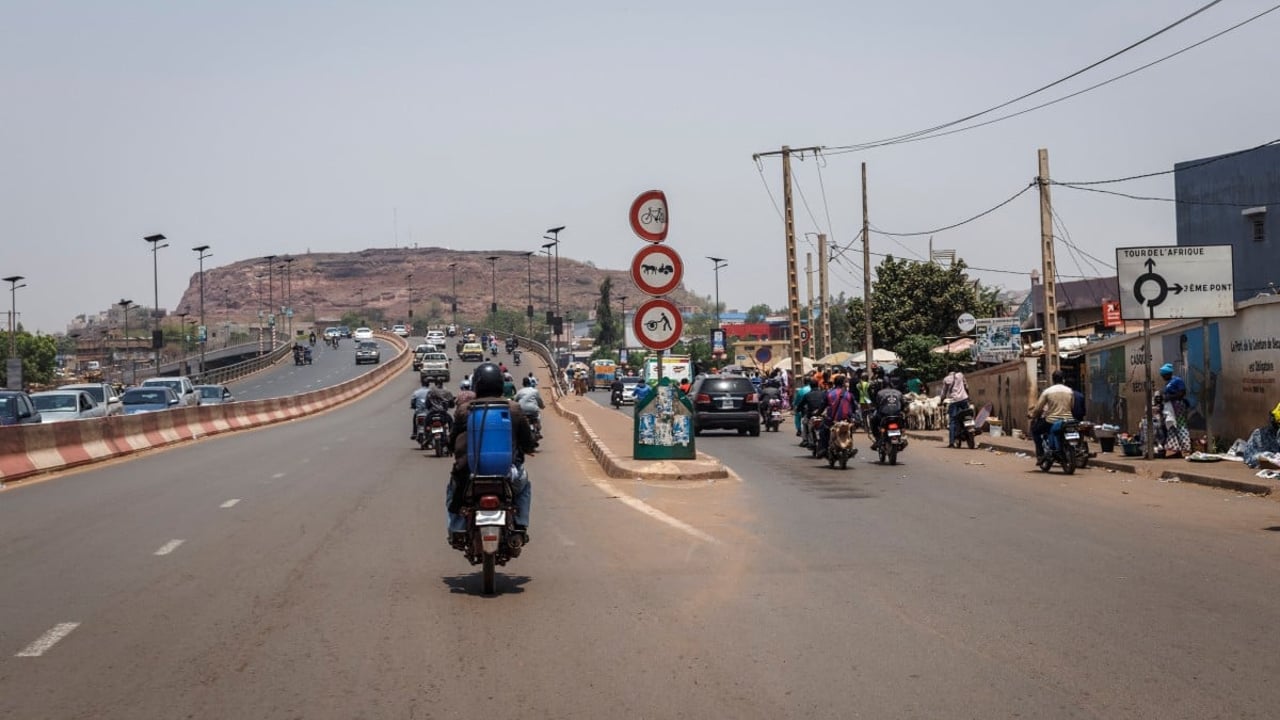
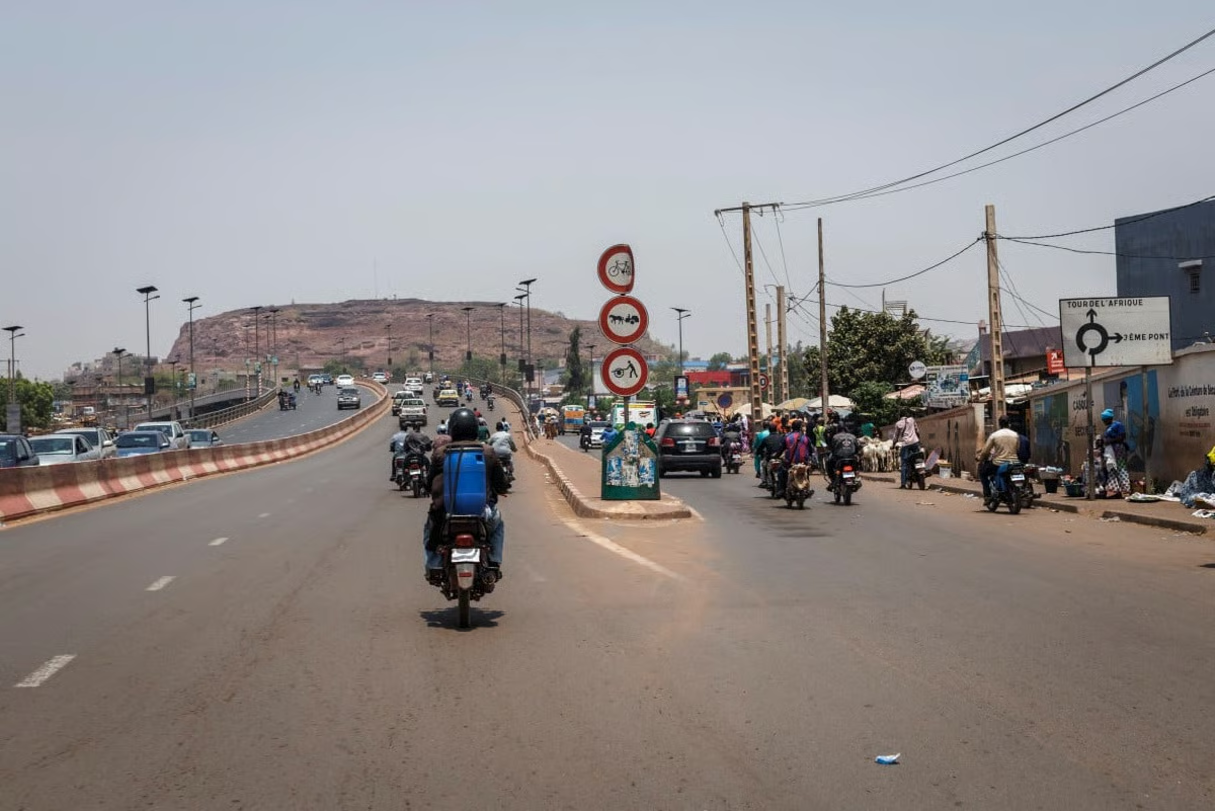
The jihadist blockade is taking a severe toll on daily life in Bamako. Long queues of motorcyclists formed outside gas stations this week as diesel supplies dwindled, according to AFP reports. Authorities claim 700 fuel tankers recently entered the capital via the Ivory Coast corridor. In recent days, jihadists torched several cargo convoys and passenger buses.
Electricity supply has also deteriorated sharply. “We went 72 hours without power. It only returned for three hours on the fourth day before failing again,” a Bamako resident told AFP Sunday evening. The national power utility Énergie du Mali (EDM) cited “an incident” as the cause, without providing details. An EDM official, speaking on condition of anonymity, attributed the outages to “terrorist sabotage” targeting the electrical grid.
Water shortages are worsening due to load shedding and grid failures. The Malian Water Management Corporation announced Sunday that potable water delivery is disrupted in multiple districts.