
While Mali has made notable strides in health indicators lately—specifically regarding life expectancy and reducing maternal and infant mortality rates—significant hurdles remain. Although the nation launched a bold universal health insurance strategy in 2018, the healthcare system continues to struggle with chronic underfunding and a lack of trained professionals, issues that have been intensified by years of political unrest. Furthermore, a sharp geographical divide exists; more than 50% of the country’s doctors are concentrated in the capital city, Bamako, leaving rural populations largely underserved.
The scale of the challenge is evident in the World Health Organization‘s Universal Health Coverage Service Index, where Mali scored 41 out of 100. This figure trails behind both the continental average for Africa (44) and the global benchmark (68).
Public demand for government intervention
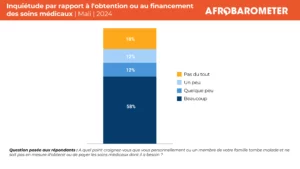
According to the latest findings from the Afrobarometer Round 10 survey, citizens identify health as the most critical issue requiring governmental attention. Currently, only about 14% of the adult population has any form of medical insurance. This lack of coverage fuels widespread anxiety regarding the ability to access or afford essential treatments. Notably, a vast majority of Malians believe the state should ensure universal access to quality medical care, even if it necessitates higher tax contributions.
For those who visited public hospitals or clinics in the year preceding the study, the feedback was varied. While many reported successfully obtaining the care they needed, a significant number highlighted obstacles such as exorbitant costs for consultations and prescriptions, lengthy wait times, and a recurring shortage of essential supplies and medication. Alarmingly, nearly half of the respondents stated that a family member had been unable to receive necessary medical attention during the past year.
Trust in health institutions
Despite these systemic difficulties, public perception of the authorities remains surprisingly positive. Two-thirds of the population express satisfaction with the government’s efforts to enhance primary healthcare services. Additionally, there is a high level of public confidence in the Ministry of Health to manage the nation’s medical needs.