
Addressing the diplomatic corps in his nation, the Malian Foreign Minister, Abdoulaye Diop, firmly responded to a faction of local politicians advocating for dialogue with jihadist groups controlling parts of the country. Diop unequivocally stated, «I must clarify that the government does not foresee any dialogue with these lawless terrorist armed groups, who are responsible for the tragic events our populations have endured for years.»
Currently, the preferred approach is direct military engagement. In line with this strategy, Mali has reportedly received new military equipment from Russia.
In the North, the primary objective for authorities is to reclaim Kidal, a city now under the control of armed factions. This strategic focus likely explains the repositioning of Russian mercenaries and the Malian army. After withdrawing from two areas in the Kidal region, they have now established and reinforced their presence in Aguelok, another key town within the same region.
On the ground in the South, the immediate priority is to clear all vital transport routes obstructed by jihadists, who have imposed fresh blockades. As of this past Saturday, hundreds of vehicles, passengers, and essential goods remained stranded across various parts of the country due to these impediments.
Communities bear the brunt of severe blockades
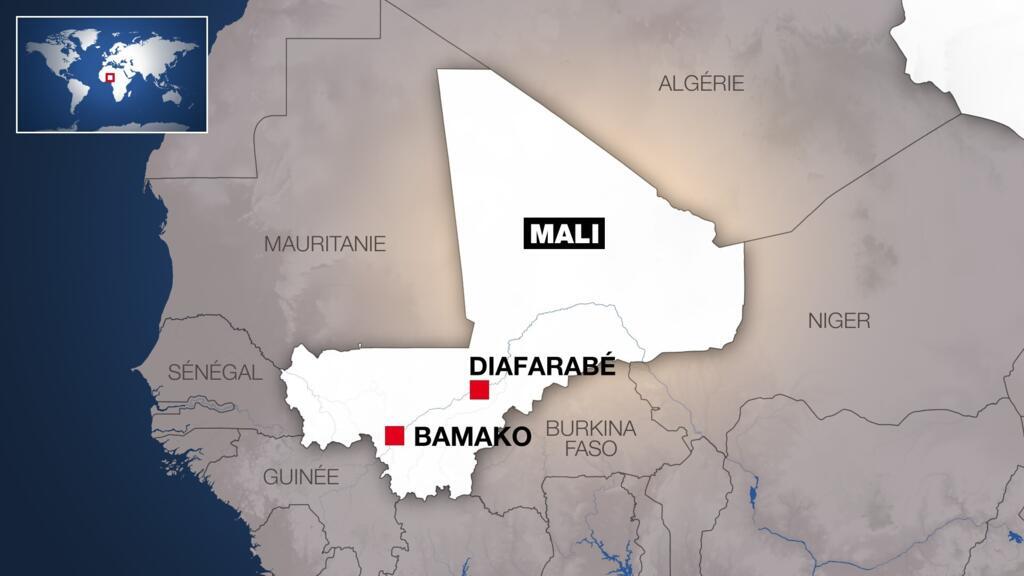
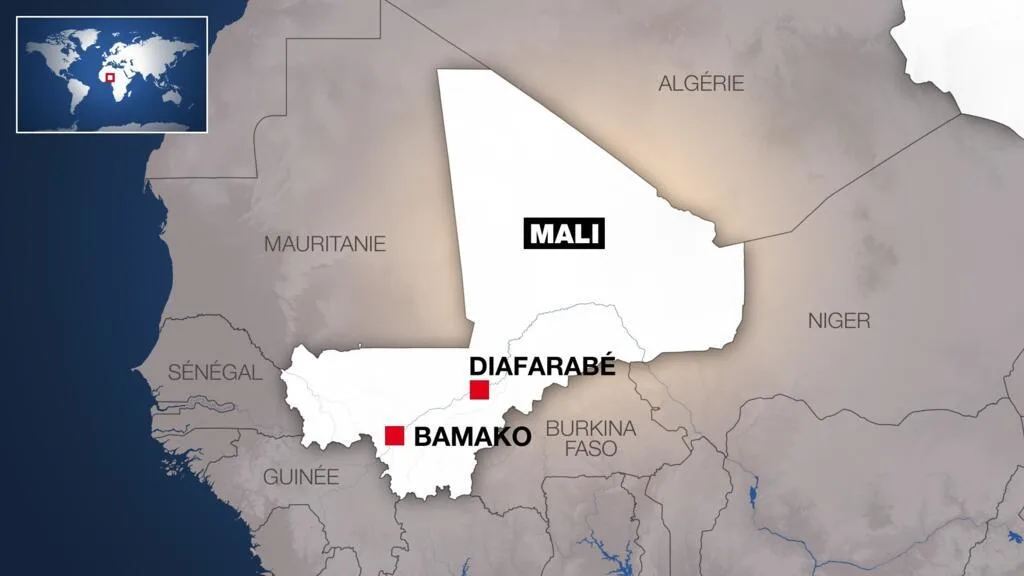
In central Mali, specifically Diafarabé, located in the Mopti region, the humanitarian situation is dire. The town has been under a continuous blockade by the Jnim for nearly a year, precisely since May 12, 2025.
An urgent appeal for aid, launched last Saturday to the transitional authorities through a widely circulated video on social media, has so far yielded no tangible results, according to residents. The scarcity of food and basic necessities has reached a critical threshold. With food supplies depleted, medicine almost nonexistent, and healthcare services severely inadequate, the population is exhausted by the blockade. Amidst fear, shortages, and isolation, residents describe living in profound despair, as attested by one inhabitant reached by phone:
«No one enters, no one leaves. The blockade is total. All our food supplies here are depleted. Famine is setting in. We spoke with military detachment officials; they promised a food convoy soon, but we are still waiting. This conversation happened after a protest by youth and women. Now, it’s truly despair! There’s nothing left! Before, during flood season, we managed to bring in food by river, little by little, despite all the risks. I myself was shot during one of those attempts; I fractured an arm. Today, I’m much better. But here, it’s total survival. Our only wish is to have something to eat. That’s all we want for now.»