
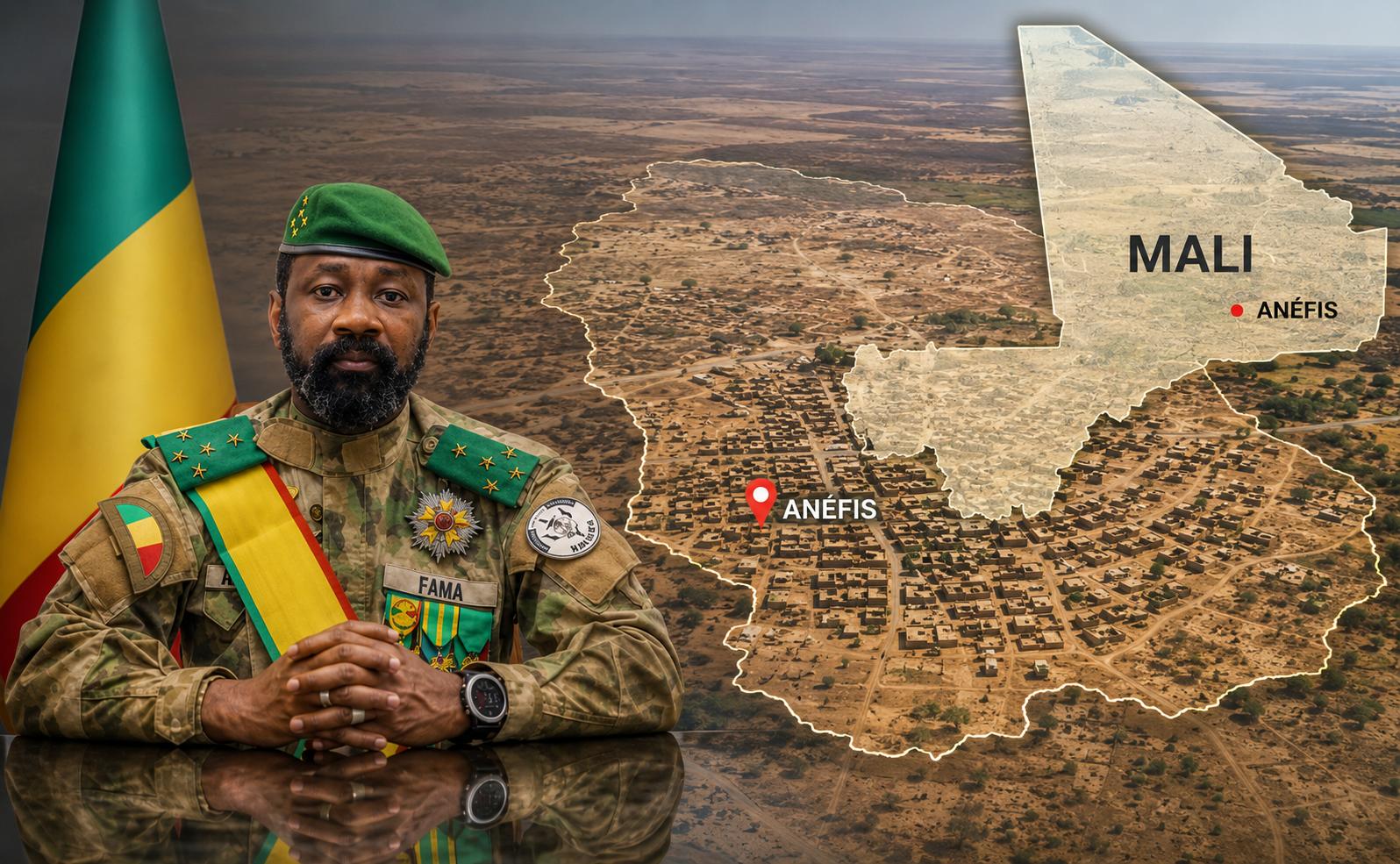
The Malian military’s communication strategy has become a finely tuned exercise in managing perceptions rather than facts. On August 12, 2026, the Directorate of Information and Public Relations of the Armed Forces (DIRPA) unveiled yet another staggering set of statistics, this time attributing the ‘neutralization’ of 1,850 alleged terrorists, the destruction of 45 bases, and the incineration of hundreds of vehicles and motorcycles to the months of June and July alone. Such figures, presented with unshakable confidence, nonetheless raise serious questions about methodology, verifiability, and the true state of the conflict.
Numbers without substance: the credibility gap
The sheer precision with which nearly two thousand enemy fighters are reported killed in just eight weeks—without a shred of independent verification—defies credibility. In West Africa’s active conflict zones, military statements increasingly operate in a vacuum of evidence. No civilian oversight body, human rights organization, or neutral observer has been granted access to contested areas to validate these claims. The term ‘neutralized,’ while used with bureaucratic ease, remains disturbingly ambiguous: does it refer to armed combatants killed in action, suspects apprehended during raids, or civilians caught in the crossfire of operations shrouded in secrecy?
Without verified casualty lists, transparent identification protocols, or post-operation assessments, the line between insurgents and ordinary citizens blurs dangerously. The absence of such safeguards fuels persistent concerns about collateral damage and the militarization of civilian life.
Promises vs. reality: security still elusive
The disconnect between the DIRPA’s triumphant announcements and the lived experience of Malians is glaring. If nearly 2,000 insurgents were indeed eliminated and their supply networks dismantled, why do critical supply routes remain under constant threat of ambush? Why do convoys transporting essential fuel supplies require heavy military escorts if the forests and militant strongholds have been ‘purged’?
Recent attacks on strategic garrisons in San, Konna, and simultaneous assaults by Jama’at Nusrat al-Islam wal Muslimin (JNIM) across northern and eastern regions paint a starkly different picture. Far from being weakened, armed groups demonstrate remarkable resilience, adaptability, and coordination—launching coordinated offensives against key military positions. Such actions contradict the narrative of a decisively weakened enemy, suggesting instead that the DIRPA’s statistics may be more about narrative control than tactical reality.
Information control and the cost of opacity
This communication strategy serves a dual purpose: it bolsters the legitimacy of the transitional government’s security policies and justifies the controversial shift toward partnerships with external actors like Africa Corps. By presenting an unassailable image of progress, Bamako seeks to validate its decision to sideline traditional allies and justify substantial military expenditures.
Yet, by restricting access to conflict zones and criminalizing critical analysis of security operations, the state enforces a single, sanitized version of events—one where victory is perpetually imminent, yet never substantiated. As long as the DIRPA prioritizes spectacular but unverifiable statistics over transparency, public trust will continue to erode among those who endure the daily reality of rising insecurity.