
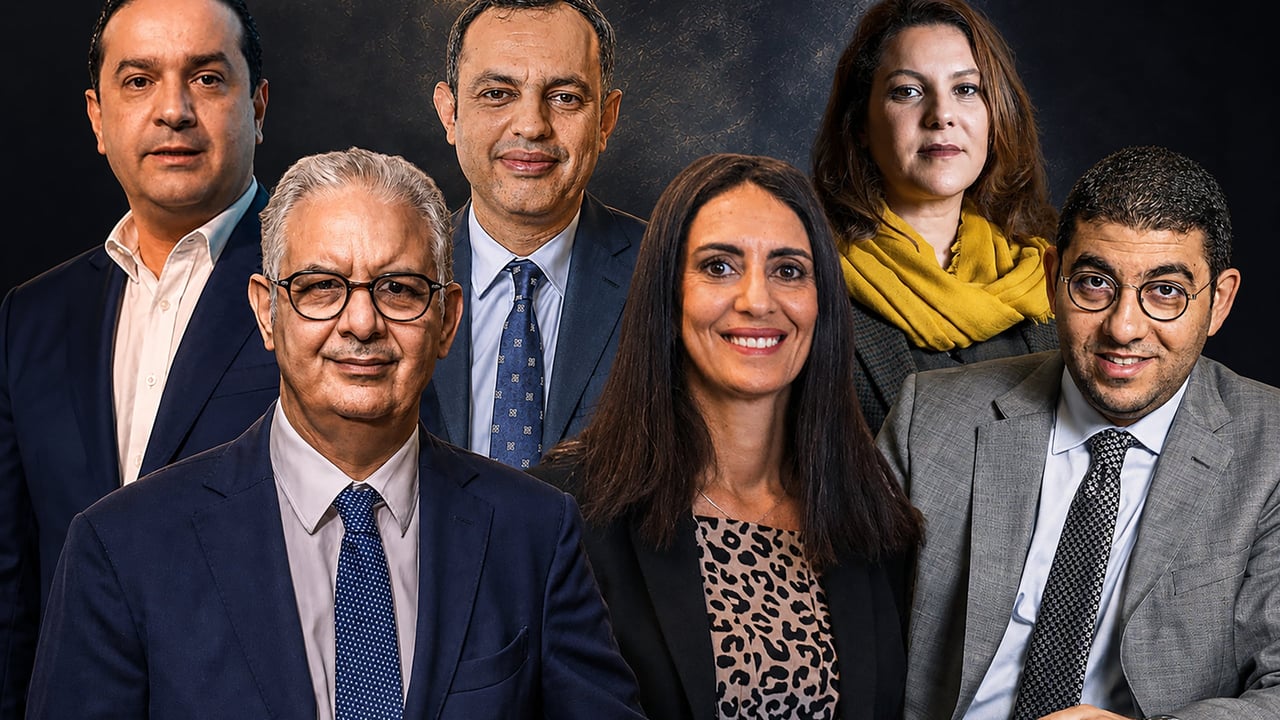
The Moroccan political landscape is buzzing with anticipation as the September 2026 legislative elections approach. With the current Prime Minister Aziz Akhannouch’s term nearing its end, speculation is rife about who will take the helm of government. The race for the Mechouar Saïd—the official residence of the Prime Minister—is heating up, with several high-profile figures positioning themselves for the top job.
Profiles of the leading candidates
Mostafa Terrab: the technocrat with a strong track record
Mostafa Terrab stands out as a prime candidate, thanks to his extensive experience in managing Morocco’s industrial and mining sectors. As the former CEO of the Office National du Conseil, he has a proven ability to navigate complex economic challenges. His technical expertise and leadership in sectors critical to Morocco’s growth make him a formidable contender for the premiership.
Nizar Baraka: the seasoned politician and economic strategist
Nizar Baraka is another name frequently mentioned in political circles. A former Minister of Economy and Finance, he has a deep understanding of Morocco’s economic policies and fiscal strategies. His background in both domestic and international economic affairs positions him as a strong candidate to lead the next government.
Abdelouafi Laftit: the interior minister with a security-focused agenda
Abdelouafi Laftit, currently serving as Morocco’s Minister of Interior, brings a unique perspective to the race. With a career spanning decades in public service, he has played a key role in shaping the country’s security policies. His experience in maintaining stability and addressing regional challenges could prove invaluable in the upcoming term.
Younes Sekkouri: the young reformist voice
Younes Sekkouri represents a newer generation of Moroccan leaders. Known for his progressive views on education and social development, he has been a vocal advocate for reforms in these sectors. His dynamic approach and fresh ideas could resonate with voters looking for change and innovation in governance.
Nadia Fettah Alaoui: the business leader with a focus on economic revival
Nadia Fettah Alaoui, a prominent businesswoman and former Minister of Tourism, is also being touted as a potential Prime Minister. Her experience in driving economic growth and attracting investment makes her a compelling candidate to revitalize Morocco’s economy in the post-election era.
Fouzi Lekjaâ: the experienced administrator with a broad portfolio
Fouzi Lekjaâ rounds out the list of top contenders. With a long career in public administration, including roles in finance and infrastructure, he has a reputation for getting things done. His ability to manage large-scale projects and implement policies effectively could make him a strong choice for the premiership.
What’s at stake in the September 2026 elections
The upcoming legislative elections are more than just a routine political event—they could reshape Morocco’s political dynamics for years to come. Voters will weigh the candidates’ visions for economic recovery, social welfare, and national security. The next Prime Minister will inherit a country navigating global economic uncertainties, regional security concerns, and domestic pressures for reform.
For Moroccans, the choice is clear: the next leader must balance stability with progress, tradition with innovation, and security with openness. As the campaign trail heats up, the race for the Mechouar Saïd promises to be one of the most closely watched political contests in the kingdom’s recent history.