
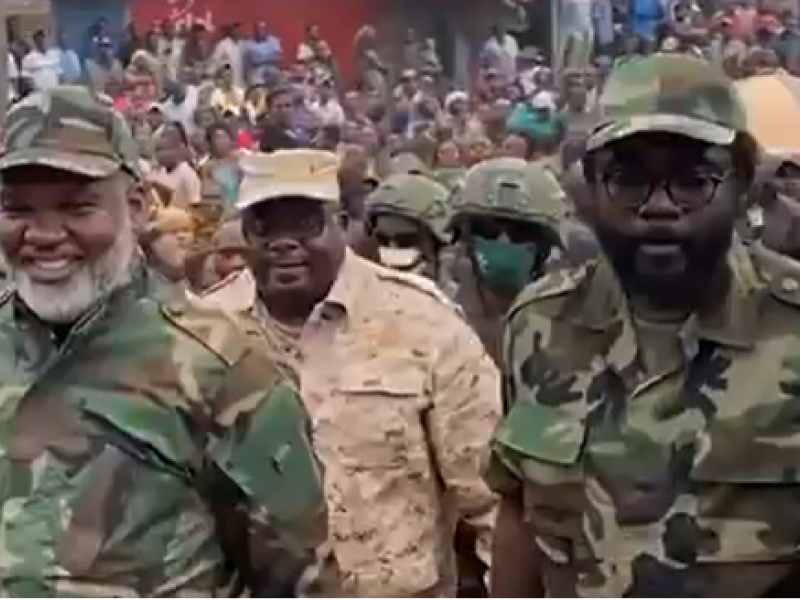
The AFC/M23 insurgency, which currently occupies significant portions of the North Kivu and South Kivu provinces, continues to rely heavily on the military backing of the Rwandan Defence Forces (RDF). Detailed investigations into the conflict reveal that Rwandan troops are not only participating in active operations but are also essential to the consolidation of rebel positions across the eastern theatre of the Democratic Republic of the Congo.
Evidence shows a persistent and growing RDF presence in the region, with fresh reinforcements arriving in both North and South Kivu. These forces are engaged across multiple frontlines, utilizing sophisticated military technology, including advanced aerial warfare capabilities. The RDF has provided the AFC/M23 with sustained operational support, deploying specialized assets such as surveillance drones, electronic warfare equipment, and elite special forces units.
Scale of the military deployment
By late 2025, the scale of the Rwandan deployment in the eastern DRC was estimated to be between 8,000 and 10,000 personnel in South Kivu, and an additional 6,000 to 8,000 soldiers in North Kivu. There have been no credible signs of a significant withdrawal since those figures were recorded. Instead, military movements have primarily consisted of troop rotations and the arrival of further reinforcements.
Strategic analysis indicates that the RDF occupies key forward positions, spearheading offensives and securing operational corridors for the M23. Every rebel combat unit appears to be under the direct supervision or support of Rwandan military elements. To avoid international detection, Rwandan personnel have reportedly begun wearing M23 uniforms and conducting most troop movements under the cover of darkness.
Contradictions in defensive claims
The RDF has been observed conducting operations in territories such as Uvira, where the FDLR—the group Rwanda often cites as the reason for its intervention—has no reported presence. This geographical discrepancy challenges the narrative of “defensive measures” often used to justify these cross-border military actions.
Integration between the two forces is deep, with Rwandan personnel embedded in mixed battalions alongside M23 elements. These include commando units originally from areas such as Bigogwe, Rubavu, and Cyangugu.
Stalled diplomatic initiatives
This ongoing military escalation occurs despite various international diplomatic efforts. The Washington Agreement, intended to stabilize the region, has seen its implementation falter as Kinshasa and Kigali remain deadlocked over differing interpretations of the accord. A year after its ministerial-level signing, the security and humanitarian crisis in the East continues to worsen.
Similarly, the Doha process has failed to bridge the gap between the Congolese government and the AFC/M23 rebellion. Subsequent discussions in Montreux, Switzerland, which were meant to revitalize peace efforts, have not yielded the expected results. Commitments made during these negotiations remain unfulfilled, while shifting global priorities, particularly due to conflicts in the Middle East, have further slowed the momentum of regional mediation.