
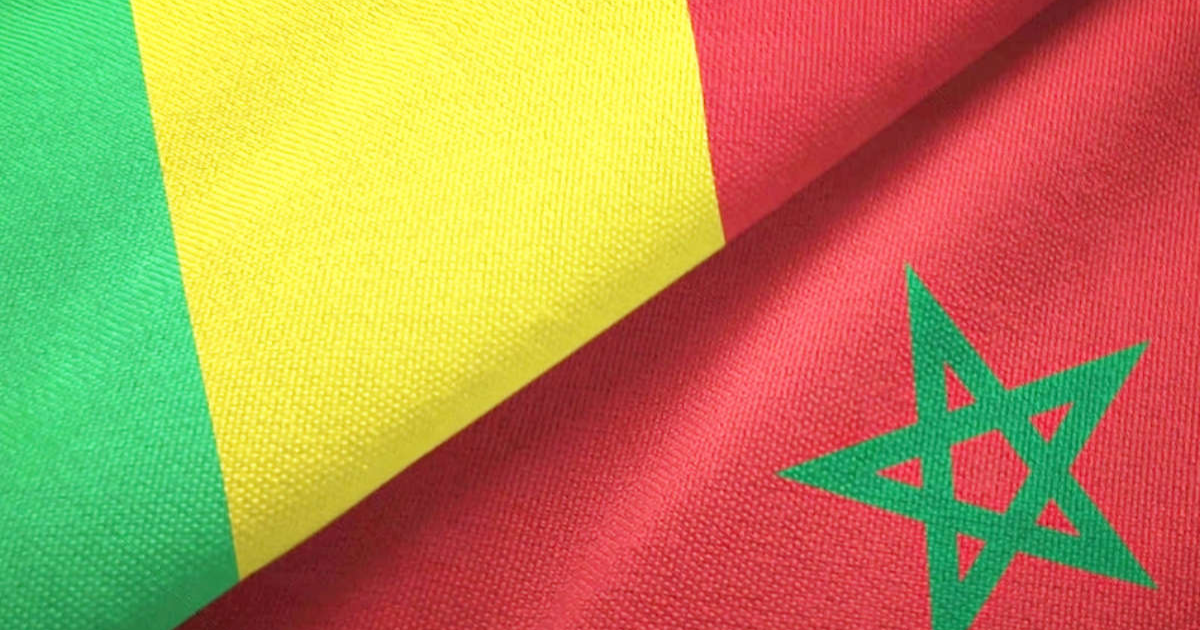
In a high-stakes diplomatic maneuver, Morocco emerged as the linchpin behind the release of Yann Vézilier, a French intelligence officer held captive in Mali for nearly a year. The unfolding of events underscores Rabat’s growing influence in navigating the Sahel’s most delicate security challenges.
Behind the scenes of a discreet yet decisive mediation
Yann Vézilier, a DGSE agent, was detained in August 2025 and sentenced in June 2026 to two decades in prison on charges of undermining Mali’s national security. His case had become a flashpoint in the already strained relations between France and Bamako. However, the tide turned on August 13 when Malian President Assimi Goïta granted him a presidential pardon, allowing his swift departure from the country.
While official statements from Malian authorities did not explicitly name the mediator, their acknowledgment of a “fraternal country’s” role in facilitating the outcome pointed directly to Morocco. Diplomatic sources indicate that Rabat acted as an intermediary, brokering discussions between Paris and Bamako in a climate of mutual mistrust. This quiet diplomacy reflects Morocco’s unique positioning in the region, where it maintains direct communication channels with Sahelian governments—an advantage few Western nations possess.
The Sahel’s recurring pattern: Morocco’s strategic diplomacy
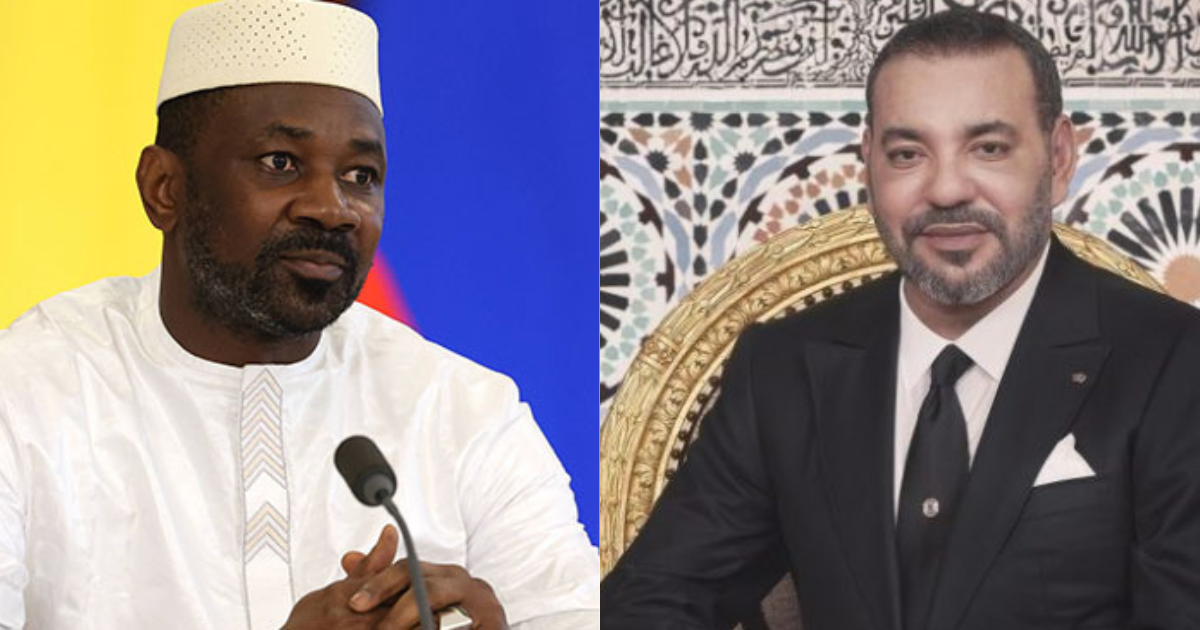
This breakthrough echoes a similar episode in Burkina Faso in late 2024, when four French DGSE operatives were released following Moroccan mediation. At the time, traditional diplomatic avenues had stalled before Paris turned to Rabat, leveraging its deep-rooted security and political ties in Ouagadougou. The pattern reveals a consistent strategy: Morocco’s ability to bridge divides through trust, proximity, and pragmatic collaboration.
The Mali case further cements Morocco’s reputation as a vital diplomatic bridge between Europe and the Sahel. By fostering stability in complex geopolitical landscapes, Rabat has positioned itself as an indispensable partner—one that Sahelian nations increasingly rely on to navigate crises that others cannot.
Why Morocco’s approach works
Morocco’s success stems from its long-term investments in the Sahel, including security cooperation, economic partnerships, and capacity-building initiatives. Unlike fleeting diplomatic gestures, these efforts have cultivated enduring relationships with regional leaders. When crises arise, Rabat’s established trust allows it to act swiftly and discreetly—often where others falter.
In freeing Yann Vézilier, Morocco not only secured the release of a foreign national but also demonstrated its capacity to safeguard broader strategic interests. As geopolitical tensions simmer across the Sahel, Rabat’s role as a mediator is likely to grow—reinforcing its status as a key player in Africa’s evolving security architecture.