
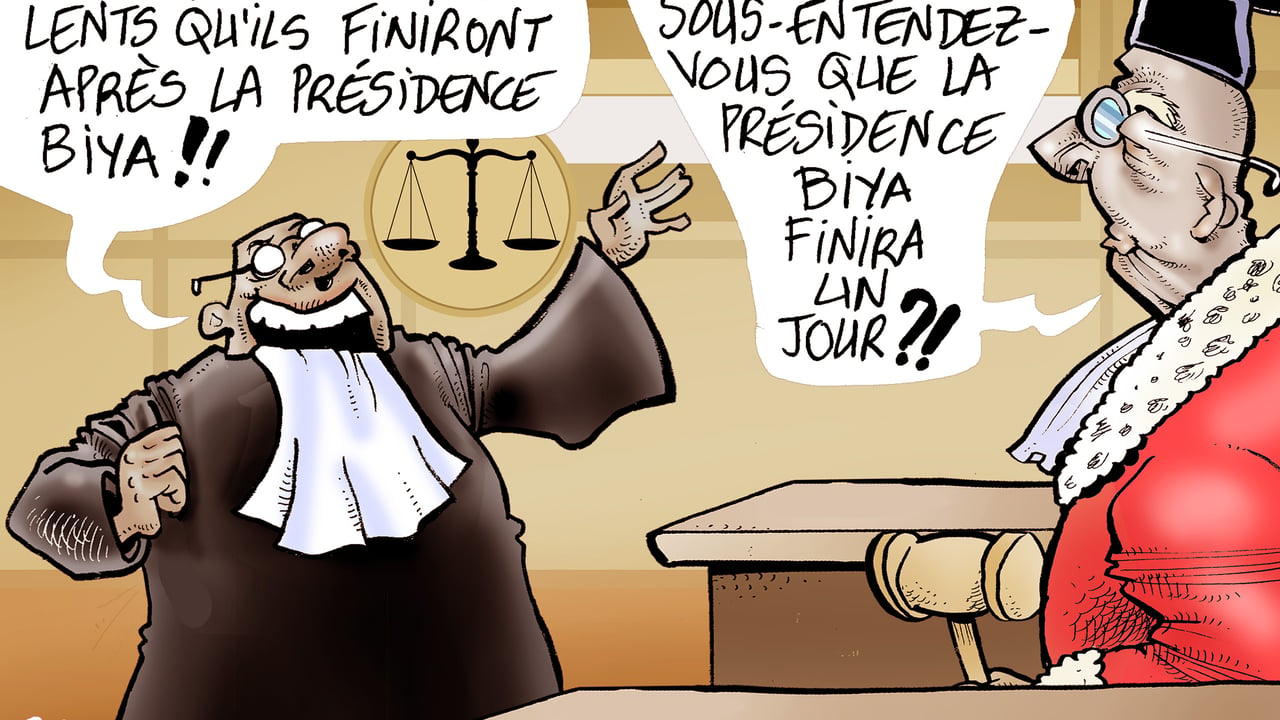
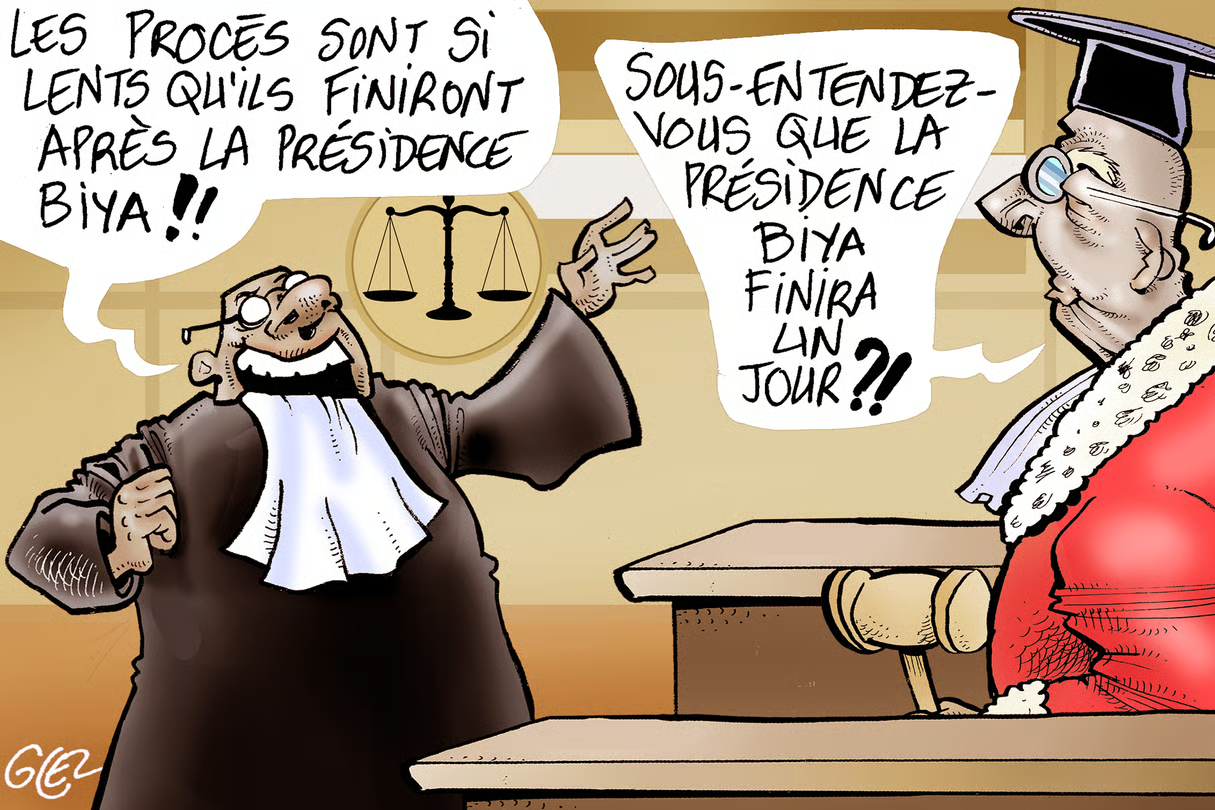
The legal saga surrounding detainees linked to post-electoral unrest in Cameroon continues to unfold without resolution. Months after the initial hearings, families of the accused and legal observers alike express frustration over the prolonged proceedings, which show no signs of reaching a swift conclusion.
Defense attorneys argue that procedural delays have become a recurring obstacle, with key testimonies and evidence still pending review. Meanwhile, prosecutors maintain that thorough investigations take time, emphasizing the need to ensure due process before delivering verdicts that could carry severe penalties.
Judicial gridlock fuels uncertainty
As the trial drags on, the broader implications for national stability remain a concern. Observers note that prolonged legal limbo risks exacerbating tensions in a nation still grappling with the aftermath of a closely contested election. Critics question whether the slow pace of justice undermines public trust in the judiciary.
The case has drawn attention beyond Cameroon’s borders, with regional analysts highlighting the potential ripple effects on neighboring countries where political stability is equally fragile. Diplomats and legal experts alike warn that unresolved grievances—exacerbated by protracted legal battles—could fuel further unrest.
Families bear the brunt of indefinite detention
For the families of the detained, the emotional and financial toll of the ongoing trial is immense. Many struggle to afford legal representation, while others face the psychological strain of uncertainty. Community leaders urge authorities to expedite proceedings, citing the need to restore faith in the justice system.
Human rights advocates have also weighed in, calling for transparency in the handling of the case. They argue that prolonged detentions without clear timelines violate fundamental rights and risk eroding public confidence in Cameroon’s institutions.
What’s next for Cameroon’s judicial landscape?
The coming weeks will be critical in determining whether the trial can break free from its current stalemate. Legal experts suggest that a structured timeline—with clear milestones—could help restore momentum. Yet, without decisive action, the risk of further delays looms large.
As Cameroon navigates this pivotal moment, the outcome of the trial will not only shape the futures of those directly involved but also signal the nation’s commitment to justice and stability in the post-electoral era.