
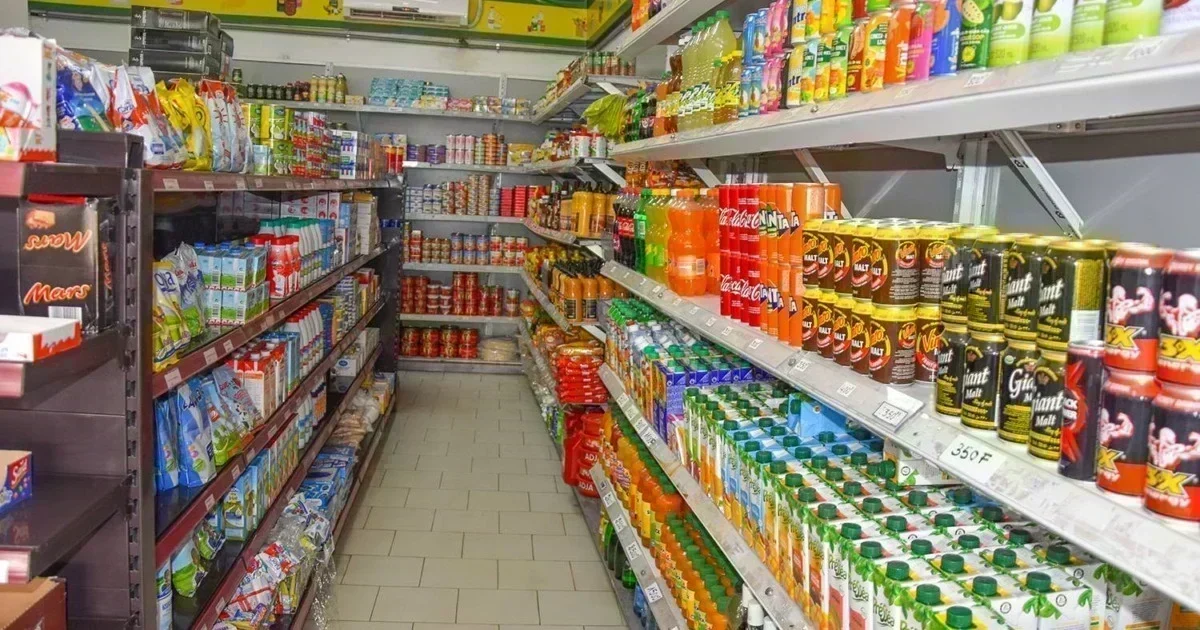
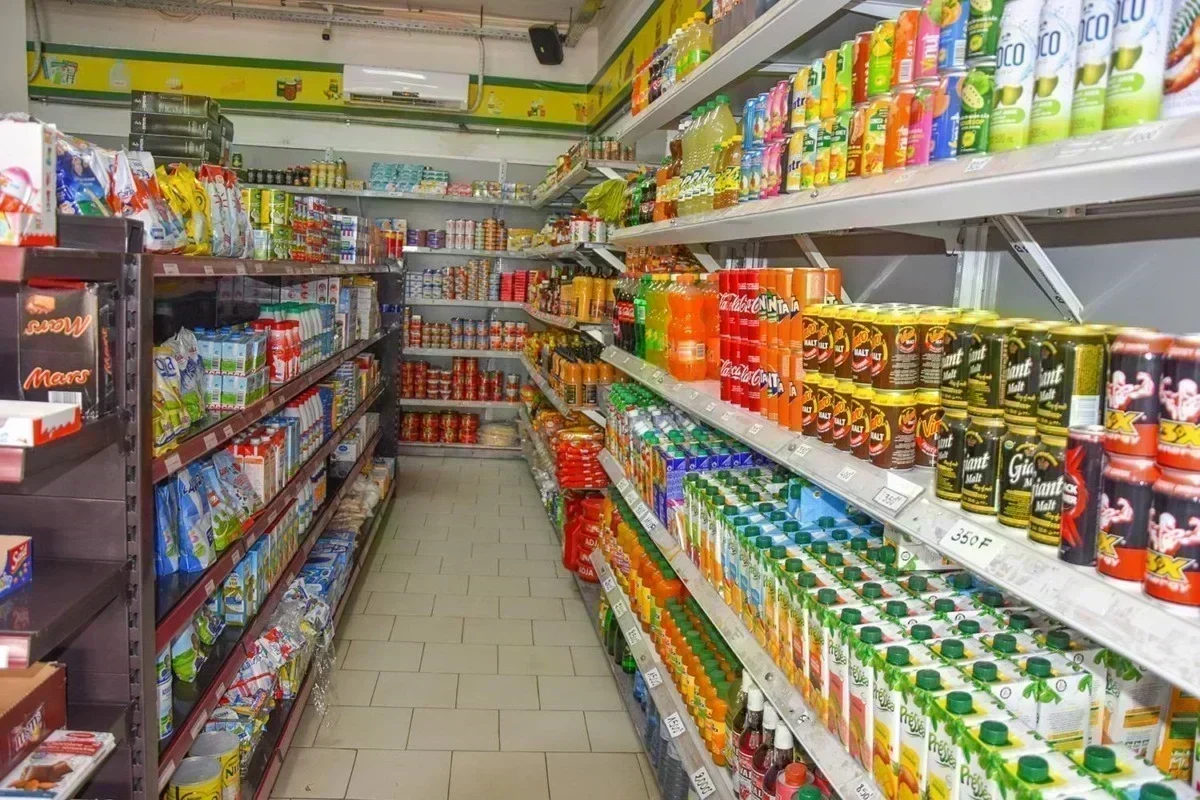
A widely circulated video has brought to light the astonishingly high prices in Dakar, where common items like chicken, retailing at 2,610 F CFA per kilo, surpass costs found in Paris. This reality significantly intensifies the daily struggle for purchasing power among Senegalese citizens.
Despite being a developing nation, Senegal grapples with one of Africa’s most elevated costs of living. This stark observation is underscored by a viral video that draws direct comparisons between the prices of everyday goods in Dakar and Paris. The footage has recently gained renewed attention as Senegalese households confront a fresh wave of price increases.
The comparative video, which contrasts the cost of several consumer products between Senegal and France, has once again become a trending topic on social media platforms. Its resurgence coincides with a period of widespread price hikes across Senegal, notably impacting fuel costs, further squeezing household budgets.
Remarkable price discrepancies
The video meticulously details several daily necessities. A kilogram of whole chicken, for instance, is priced at 2,610 F CFA in Senegal, while an equivalent amount costs approximately 2,300 F CFA in France. Similarly, a block of Elle & Vire butter is sold for 2,990 F CFA in Dakar, compared to about 1,990 F CFA in Paris. Cooking oil, a staple in Senegalese diets, also shows a notable difference, retailing at 6,990 F CFA in Senegal versus roughly 6,000 F CFA in France.
The price gap widens even further for less essential items. A box of Chocapic cereal, which costs around 1,990 F CFA in France, is marketed at 5,250 F CFA in Senegal — more than double the price. A bottle of Soupline fabric softener follows a similar pattern, priced at 9,990 F CFA in Dakar against approximately 5,600 F CFA in Paris. These substantial differences have left many Senegalese viewers surprised and concerned.
Beyond basic consumer goods, the high cost of living in Dakar extends to housing and fuel, both of which have recently seen price adjustments by the Government. This is not an isolated issue; assessments indicate that Senegal stands as the second most expensive country on the African continent, trailing only Côte d’Ivoire.