
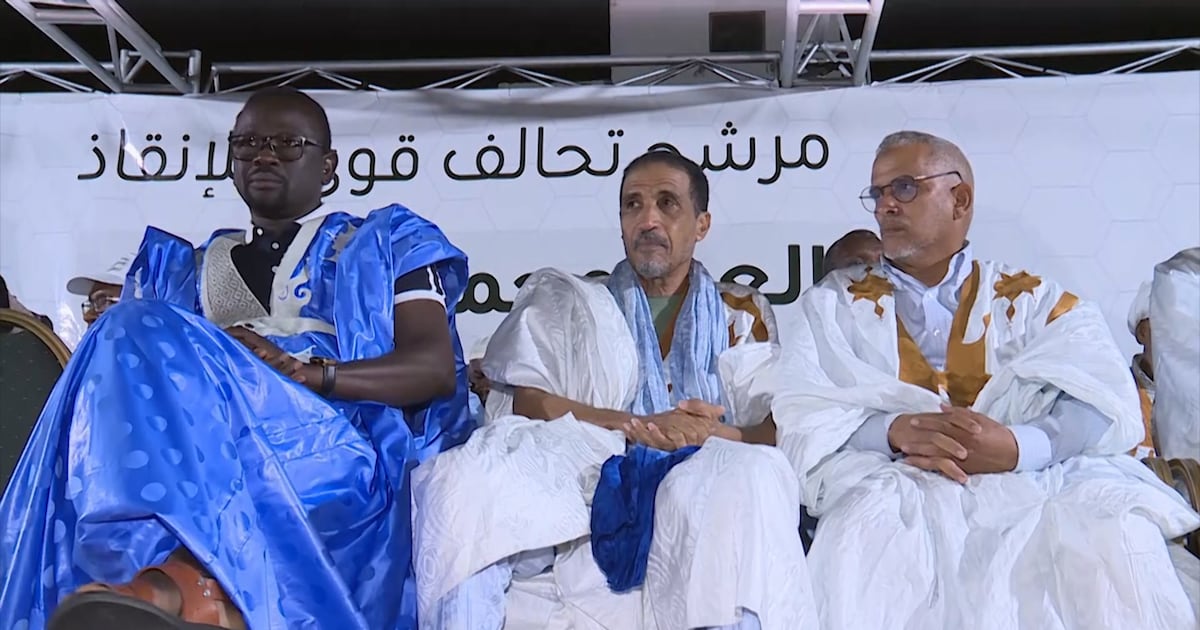
With a sweeping rally drawing tens of thousands in Nouakchott, Professor Mohamed Maouloud steps into his role as president of Mauritania’s opposition coalition at a pivotal moment for the nation. The political landscape he inherits is fraught with pressing challenges, from stalled national dialogue to rising ethnic tensions and economic hardship.
Key obstacles on the agenda
The country is grappling with a paralyzed political process that has hindered consensus-building among stakeholders. Maouloud has sounded the alarm, emphasizing the urgency of breaking the deadlock that has left critical issues unresolved. In a direct appeal to President Mohamed Cheikh El Ghazouani, he urged decisive action to prevent attempts by the ruling majority to introduce discussions on a controversial constitutional amendment—one that would open the door to a third presidential term, despite constitutional safeguards.
Security and identity: twin crises straining the nation
Beyond the political gridlock, Mauritania faces deep societal fractures. The resurgence of divisive identity-based rhetoric has fueled tensions, amplified by social media, while the volatile security situation along the eastern border with Mali continues to destabilize the region. The closure of the border has cut off vital cross-border migration routes for livestock herders, exacerbating economic strain on rural communities already struggling with soaring living costs.
The opposition coalition’s leader has framed these challenges as existential, warning that national unity is under threat from both internal divisions and external pressures. His priorities now include restoring stability, fostering inclusive dialogue, and addressing the economic woes that weigh heavily on Mauritanian households.