

The military administrations in Mali, Guinea, Burkina Faso, and Niger are intensifying efforts to stifle all forms of opposition. To silence critical voices, defense and security forces are frequently resorting to enforced disappearances and unlawful detentions, a trend highlighted in the latest annual report from Amnesty International.
Since July 9, 2024, two prominent Guinean activists from the Front National pour la Défense de la Constitution (FNDC)—a movement advocating for a return to constitutional governance—have been victims of enforced disappearance. Mamadou Billo Bah and Oumar Sylla, also known as “Foniké Menguè,” were abducted from Sylla’s residence just before a planned protest against the high cost of living and the continuation of military rule. According to Mohamed Cissé, a fellow activist who was arrested alongside them but released two days later with severe injuries, they were transported by security forces to a detention site in the Loos Islands, off the coast of Conakry. To date, authorities deny holding the men, and their current status remains unknown.
When individuals are taken outside of any legal oversight, they are vulnerable to the worst possible outcomes.
Institutionalizing terror within civil society
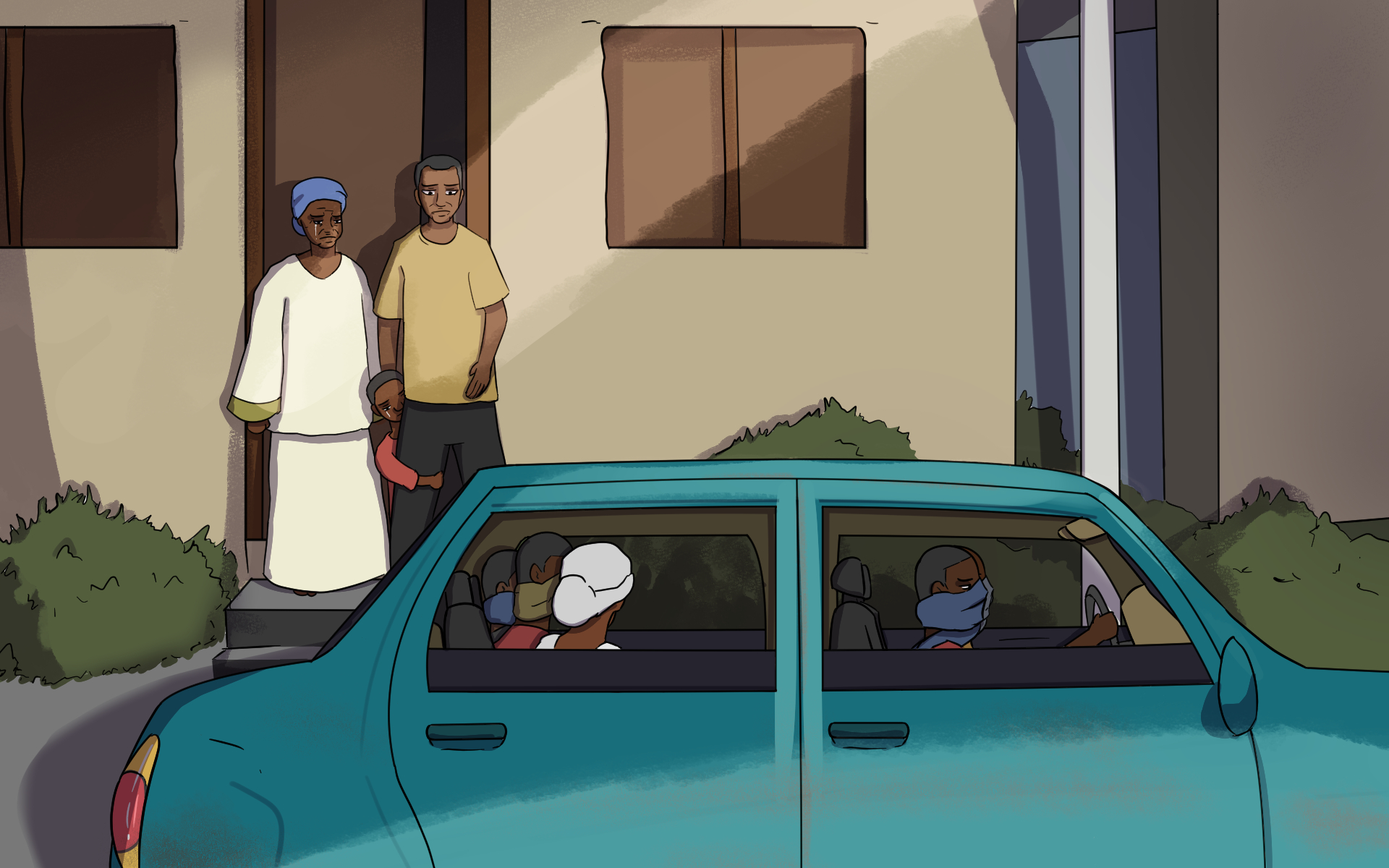
Security forces under West African military regimes are systematically targeting civil society members perceived as threats to their power. Using a consistent pattern of enforced disappearances and illegal holding, they seize journalists, lawyers, activists, and human rights defenders. These individuals are often snatched from the streets, their workplaces, or their homes by armed personnel who may or may not identify themselves as state agents. They are typically blindfolded, forced into unmarked vehicles, and subjected to prolonged interrogations that can last for weeks.
These operations occur entirely outside the judicial framework. Arrest warrants are never produced, and authorities often deny involvement or refuse to provide information regarding the victims’ locations. Families and legal counsel are left without news, only occasionally discovering that their loved ones were held in informal sites like security service offices. This climate of lawlessness is designed to instill deep-seated fear throughout civil society.
The growing list of missing and unlawfully detained individuals
In Burkina Faso, Guy Hervé Kam, a lawyer and co-founder of the Balai Citoyen movement, was held illegally for five months in 2024. In March 2025, five other members of the Sens political movement—which had criticized civilian massacres during the ongoing conflict—were abducted by armed men in civilian clothes. Despite inquiries, the government has remained silent on their whereabouts. Furthermore, four media professionals, Serge Oulon, Adama Bayala, Kalifara Séré, and Alain Traoré (known as “Alain Alain”), were taken in mid-2024. While the fate of Traoré remains a mystery, authorities eventually claimed the other three had been conscripted into the military under a general mobilization decree.
In Niger, the whereabouts of journalist and blogger Samira Sabou were unknown for a week following her arrest in September 2023. Similarly, the legal team for Moussa Tchangari, secretary general of Alternatives Espaces Citoyens, only discovered his location two days after his arrest, once he was moved to a formal police facility.
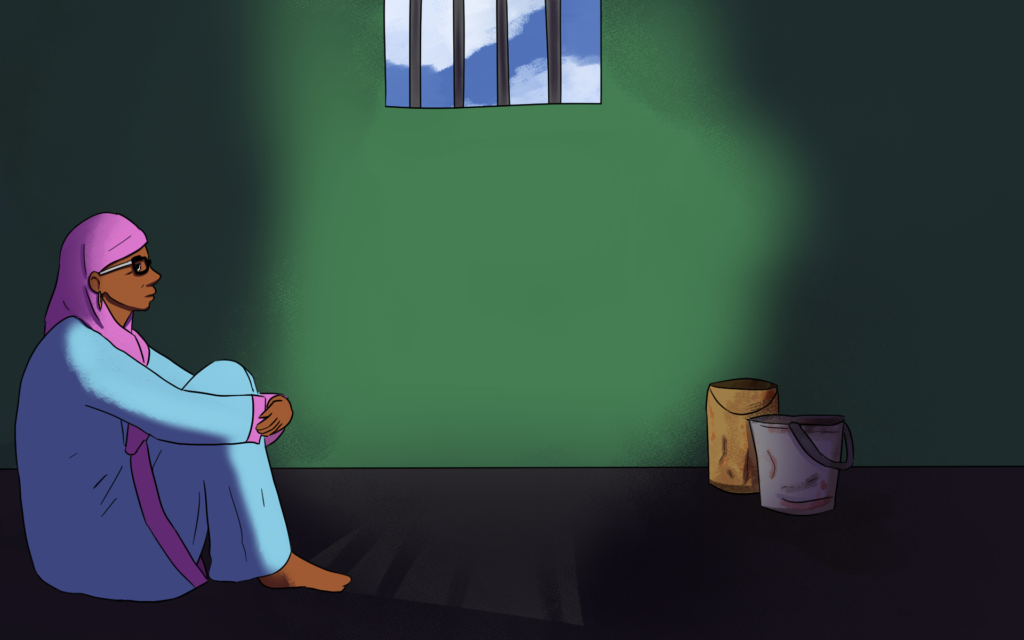
In Mali, Ibrahim Nabi Togola, leader of the opposition party Nouvelle Vision pour le Mali, was abducted in late 2024 by suspected state security agents and held for 45 days before his release. In Guinea, journalist Habib Marouane Camara was taken by armed men identified as gendarmes on December 3, 2024; his family has received no news since.
Illegal detentions and disappearances frequently culminate in the transfer of victims to police custody to start fabricated legal proceedings.
The judiciary as a final defense for the rule of law
While many disappearances eventually lead to trumped-up charges, the situation in Burkina Faso has taken a more punitive turn: the forced conscription of dissidents into the army to fight on the front lines. This was the fate of journalists Guézouma Sanogo, Boukari Ouoba, and Luc Pagbelguem, who had all publicly criticized attacks on press freedom. After disappearing for a week in March 2025, videos emerged on social media showing them in military attire.
The justice system must persist in investigating enforced disappearances and protecting citizens.
Amnesty International continues to urge the leaders of Mali, Guinea, Burkina Faso, and Niger to end these repressive practices. In this climate of arbitrariness, the judiciary must remain steadfast in investigating disappearances and ending illegal detentions.
Courageous steps have been taken by some members of the legal community. Judges in Burkina Faso ordered the release of Guy Hervé Kam, and the Guinea bar association boycotted hearings to protest the detention of Oumar Sylla and Mamadou Billo Bah. However, these actions have made the judiciary a target; at least five Burkinabè magistrates were forcibly conscripted into the military in 2024 after handling sensitive cases involving the authorities.
Despite this pressure, the legal systems in these countries must continue to resist authoritarian overreach. Increased international support for the judicial sector is vital to ensure the survival of the rule of law and the safety of those still missing.