
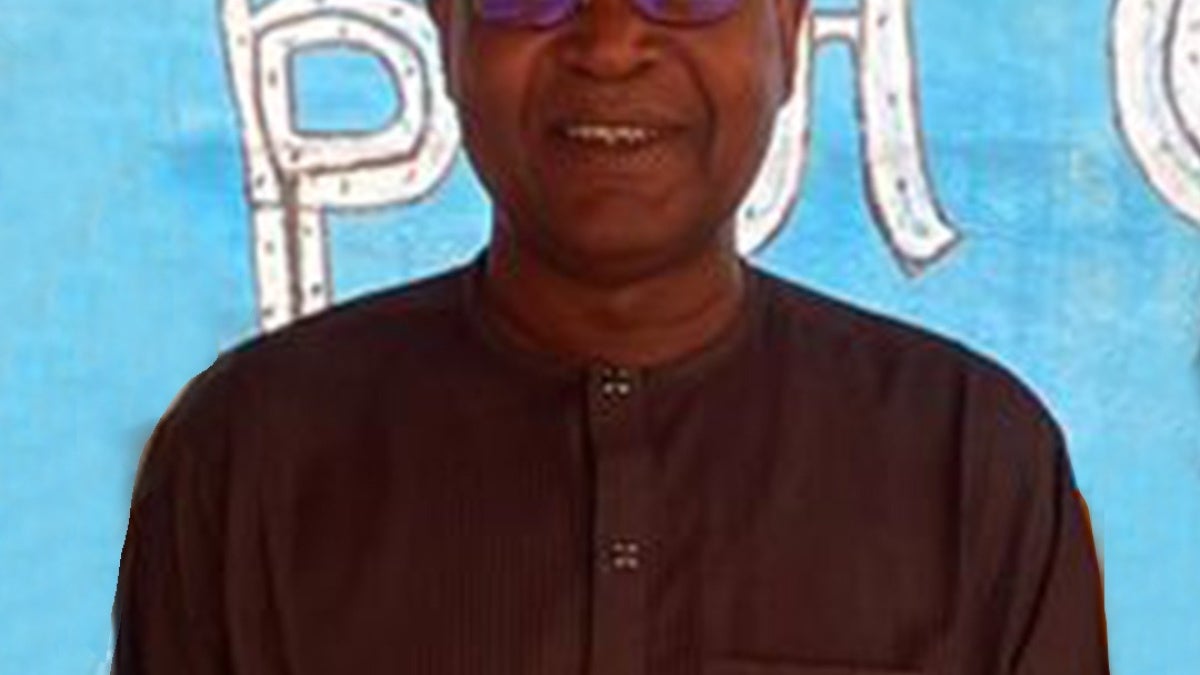
International advocacy groups are calling on Niger to immediately free Moussa Tiangari, a dedicated civil society activist and human rights defender. Amnesty International, Human Rights Watch, the International Federation for Human Rights (FIDH), and the World Organisation Against Torture (OMCT) issued a joint statement condemning the use of terrorism-related charges to stifle political opposition.
Moussa Tiangari was taken into custody on December 3, 2024, at his home in Niamey, the capital of Niger, by individuals identifying themselves as police officers. By January 3, 2025, the High Court of Niamey formally charged him with several serious offenses, including “conspiracy against state authority in collaboration with enemy powers,” “association with a terrorist enterprise,” and “undermining national defense.” A conviction for conspiring with enemy powers could lead to the death penalty.
Prolonged detention without trial
Following his indictment, Tiangari was moved to the Filingué prison, located approximately 170 kilometers from Niamey. He remains in pretrial detention, and as of now, no judicial official has heard his testimony regarding the validity of the allegations against him.
“Moussa Tiangari is being held solely for exercising his fundamental rights,” stated Marceau Sivieude, acting regional director for Amnesty International in West and Central Africa. He urged the authorities in Niger to drop all charges and release the activist immediately, expressing deep concern over the weaponization of the legal system against government critics.
Targeted for peaceful expression
The arrest followed Tiangari’s social media activity on November 12, 2024, where he questioned the Niger Interior Minister’s decision to revoke the licenses of two humanitarian NGOs. He had also spoken out against the implementation of a new database for individuals suspected of terrorism, arguing that such a measure threatens the rights of the Niger population. Under an August 2024 decree, Tiangari now faces the risk of being stripped of his Niger nationality due to these accusations.
While Niger law allows for up to four years of pretrial detention for terrorism-related cases, various rights organizations have reviewed the charges and concluded that they do not represent internationally recognized crimes. Instead, they appear to be a direct response to Tiangari’s legitimate use of free speech.
Drissa Traoré, Secretary General of FIDH, noted that this case is part of a broader strategy by Niger authorities to silence public criticism through judicial harassment. Ilaria Allegrozzi of Human Rights Watch added that the detention serves as a “chilling message” to anyone questioning the country’s current political direction.
A legacy of civil service
Isidore Ngueuleu of the OMCT highlighted that Tiangari has spent decades advocating for democracy, security, and resource sovereignty in Niger. He described the arrest as a counterproductive move for a government claiming to represent the people’s will.
Background on the case
Moussa Tiangari, 55, serves as the Secretary General of Alternatives Espaces Citoyens (AEC). During his arrest on December 3, armed men in plain clothes confiscated his computer, phone, and personal belongings. His location was unknown for two days before he was found at a specialized counter-terrorism unit in Niamey.
In early 2025, courts in Niger rejected legal motions to dismiss the case or move it away from the specialized terrorism chamber. Tiangari’s legal team is currently appealing these decisions. This situation reflects a growing trend of repression documented by rights groups since the July 2023 coup in Niger, which has seen increased targeting of the media, political opposition, and peaceful dissenters.