
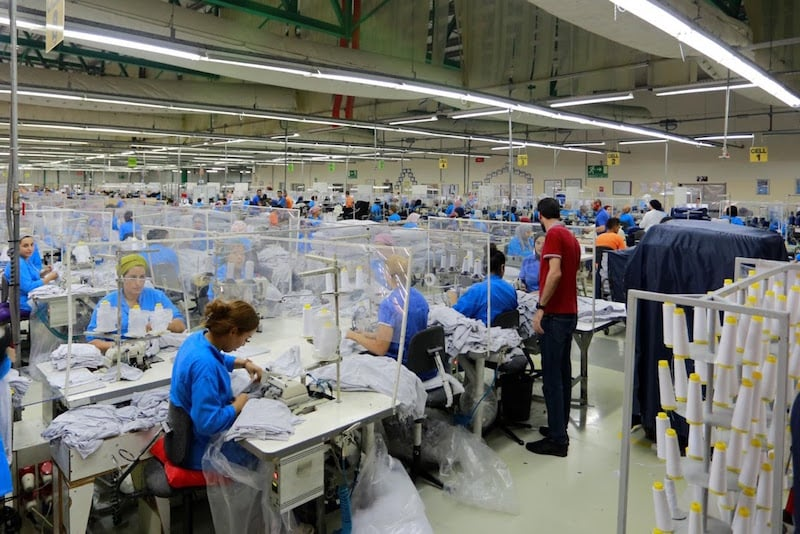
Morocco is standing on the threshold of a massive industrial shift. By embracing a circular economy within its textile sector, the Kingdom has the potential to unlock $1.9 billion in private investment while generating more than 30,000 new jobs. This transition is not just about sustainability; it is a strategic repositioning to meet the growing European demand for traceable, eco-friendly apparel.
Tangible results from recycling initiatives
A recent assessment of pilot programs reveals that the potential for textile recycling is much larger than initially anticipated. Early efforts have already successfully diverted 2,400 tons of textile scraps toward recycling channels, with 427 tons already processed into fresh materials. This progress signals the birth of a structured industrial branch out of a previously fragmented network of informal collectors and small workshops.
The environmental advantages are equally compelling. Transitioning to recycled fibers could slash carbon emissions by 18% and reduce water consumption by a staggering 60%. For an industry facing local water scarcity and international pressure to go green, these figures represent a vital path forward for the Moroccan manufacturing landscape.
Formalizing the workforce and enhancing traceability
Beyond the environmental impact, the shift toward a circular model promises a significant social transformation. Currently, over 80% of textile waste collectors in Morocco operate in the informal sector. However, with the right policy framework, up to 75% of these workers could be integrated into the formal economy within the next five years, providing them with better wages and social protections.
To fully realize this potential, Morocco must adapt its regulatory landscape. This includes recognizing textile waste as a valuable reusable resource, updating customs regulations, and establishing robust traceability systems. These steps are crucial as the European Union, which receives 93% of Morocco’s textile exports, prepares to implement new standards.
The 2027 Digital Product Passport challenge
The urgency for reform is driven by upcoming European regulations. Starting in 2027, the European Union will introduce a Digital Product Passport. This system will require every garment to carry a QR code or NFC chip detailing its environmental footprint and material composition. For Moroccan exporters, meeting these transparency requirements will be the key to maintaining access to high-value markets and securing the Kingdom’s role as a regional leader in sustainable manufacturing.