
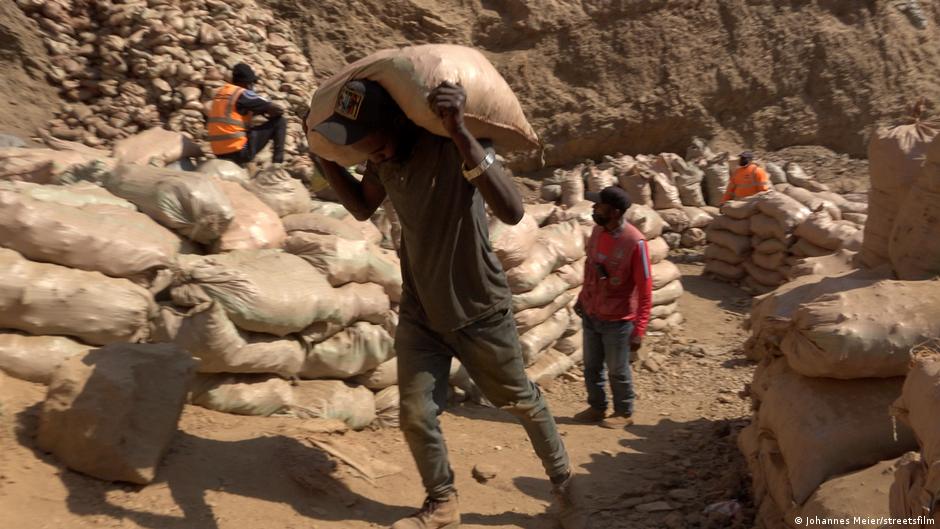
The government of the République démocratique du Congo is moving forward with a major initiative to overhaul the protection of its vast mineral wealth. A new specialized force, comprising 20,000 trained agents, is being established to serve as a dedicated mining guard across the nation’s key extraction zones.
This reform is a central pillar of a broader strategy to refine the governance of the mining industry. Once their training is complete, these thousands of personnel will be responsible for securing large-scale industrial operations, managing artisanal mining activities, and tightening the oversight of mineral export traceability. While the Congolese authorities have confirmed they are working with a private entity to facilitate this training, the specific name of the partner firm has not yet been disclosed.
The rigorous training cycle for these new guards is slated to begin this September. If the schedule holds, the first operational battalion will be ready for deployment in the Katanga region by January 2027.
Historically, the responsibility for mining security has fallen to the national police and the military. However, in provinces such as Lualaba, a hybrid model has emerged. Local private security agents, recruited and trained by domestic firms registered with state security services, already operate alongside the official mining police. This existing system relies on mining concession holders hiring private guards to maintain order on their specific sites.
Addressing conflict and ethical extraction
The République démocratique du Congo is a global powerhouse in minerals, possessing massive deposits of cobalt, copper, gold, coltan, lithium, and zinc. Despite various international agreements for resource exploitation, conflict continues to hinder access to several critical sites. A prime example is the Rubaya coltan mine, one of the world’s most significant sources of the mineral, which currently remains under the control of AFC-M23 rebels.
This volatile environment has sparked concerns among human rights and environmental activists. The primary challenge lies in the heavy militarization of these zones. There are growing questions about whether the state can effectively transition these “jungles” into regulated environments where the rights of indigenous peoples and women are protected, and where international labor and safety standards are strictly enforced.
Parallel to these government efforts, private security contractors linked to Erik Prince, the founder of the former Blackwater, have been active for several months in the Lualaba and Tshopo provinces. Operating primarily around Kolwezi and Kisangani, these teams are reportedly focused on securing mining perimeters, enhancing tax collection efficiency, and curbing the illicit smuggling of minerals.