
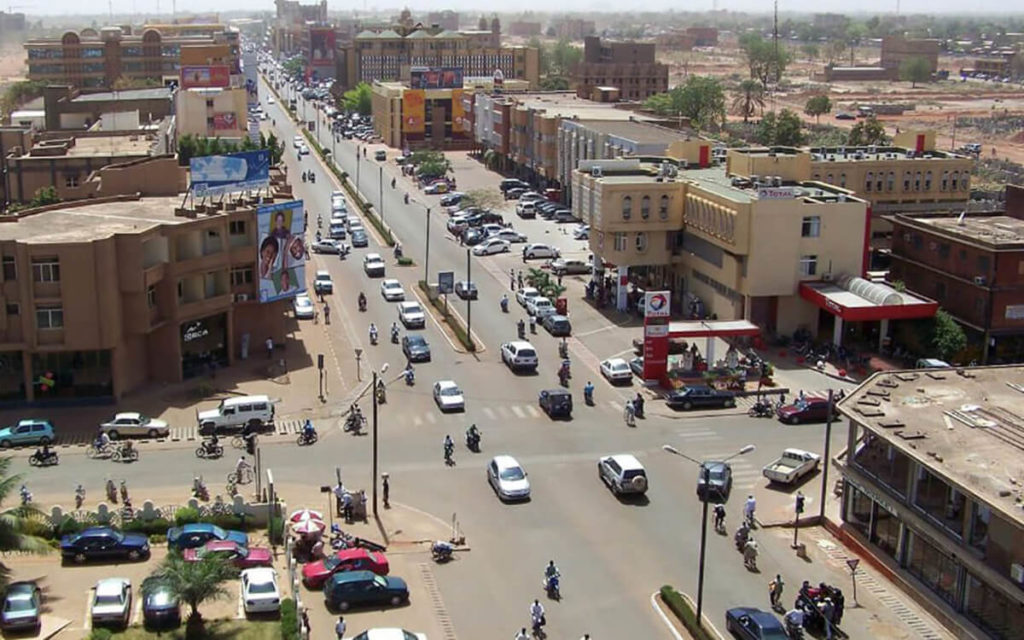
The government of Burkina Faso has recently adopted a groundbreaking decree to redefine and classify urban areas, marking a significant step in the nation’s urban development strategy. This decision, announced following a high-level council meeting chaired by Captain Ibrahim Traoré, Head of State, responds to the rapid urbanization and evolving territorial dynamics reshaping the country’s landscape.
A modern definition of urban centers
Under the new regulations, a locality in Burkina Faso can now be officially recognized as a city if it meets specific criteria. These include:
- a continuous built-up area;
- a minimum population of 15,000 residents;
- access to a reliable potable water supply;
- electricity infrastructure;
- a functional transportation network;
- a predominance of secondary and tertiary sector activities.
Additionally, the decree stipulates that all provincial capitals and municipal headquarters, regardless of population size, will automatically qualify as cities.
A three-tier urban classification system
To better align urban policies with local realities, the new framework introduces three distinct city categories:
- Metropolitan cities – large urban hubs driving national growth;
- Medium-sized cities – regional centers supporting economic and social cohesion;
- Small cities – emerging urban nuclei fostering local development.
This structured approach aims to enhance public policy effectiveness in urban planning, infrastructure management, and territorial governance.
Aligning policy with urban realities
The reform addresses outdated urban definitions that no longer reflect Burkina Faso’s current demographic and economic landscape. By establishing a contemporary framework, the government seeks to empower state institutions and local authorities with the tools needed to shape sustainable, resilient urban futures.