
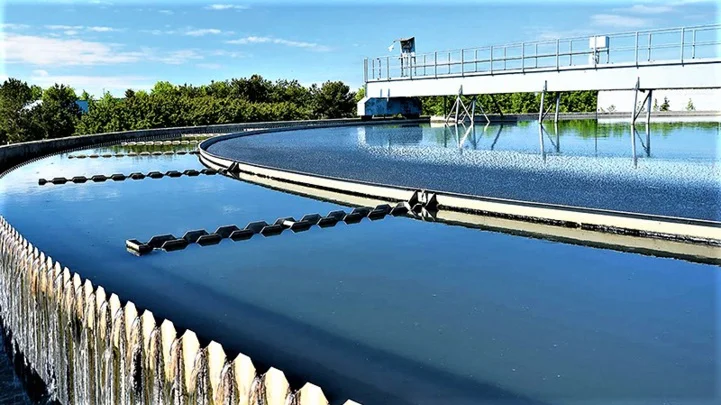
Rabat’s desalination plant project back on track after months of stalled negotiations
The ambitious desalination plant project in Rabat, Morocco, is regaining momentum as Veolia and the Moroccan Ministry of the Interior resume discussions. With a planned annual capacity of 300 million cubic meters, this initiative has become a priority once again following a period of slowed progress.
The project aims to produce 822,000 cubic meters of drinking water daily, relying on renewable energy sources to ensure sustainability. The ongoing negotiations focus primarily on establishing a fair pricing structure, with both parties targeting a rate of 4.5 Moroccan dirhams per cubic meter for the desalinated water.
After months of paused discussions, officials in Rabat and Paris are gradually reconnecting to advance this critical infrastructure. The delay was not due to a unilateral decision but rather financial and climate-related discrepancies that required careful alignment.
An initial agreement was formalized in October 2024 during a state visit by the French President to Morocco, outlining the framework for the plant’s construction.
Key details of the Rabat desalination project
The plant will be situated along the Atlantic coast, near Rabat, and developed as a public-private partnership. Veolia will oversee the entire lifecycle, including design, financing, construction, and operation for a 35-year term.
Once operational, the facility will supply water to the Rabat-Salé-Kénitra and Fès-Meknès regions, meeting the demands of approximately 9.3 million people. This capacity translates to about 300 million cubic meters of water annually, ensuring long-term water security for key urban and rural areas.
Broader context: Morocco’s expanding desalination sector
These discussions follow a recent high-level meeting in Rabat, where leaders from Morocco and France addressed bilateral cooperation, including water management initiatives. The Moroccan desalination market continues to attract global players, with Spanish firms Acciona and Cox also vying for a major project in Tanger. Scheduled for completion between 2028 and 2029, this plant will add 150 million cubic meters of annual production to the national water supply.