
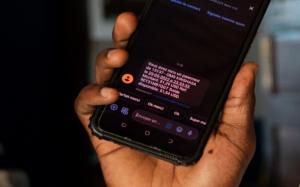
The Niger has taken a significant step toward modernizing its public health systems by implementing digital payment solutions for vaccination campaign workers. During the April 2026 National Polio Vaccination Days in the Niamey region, over 1,200 health workers and community volunteers received their compensation via mobile transfers—a major shift from traditional cash payments.
This initiative, supported by the World Health Organization (WHO) in Niger, achieved remarkable results: 99% of payments were processed within 48 hours of campaign completion, credited directly to beneficiaries’ mobile accounts. The innovation enhanced payment traceability, slashed processing delays, and eliminated logistical hurdles tied to cash handling. Initial challenges—such as data inaccuracies and digital tool adoption—were swiftly addressed through targeted capacity-building efforts led by WHO Niger.
The foundation for this success was laid months earlier, when WHO Niger organized a five-day training workshop from September 29 to October 3, 2025. Focused on digital payment systems, the session equipped national and local vaccination stakeholders with the skills needed to design and implement a robust national digital payment ecosystem. Facilitated by experts from the WHO Regional Office for Africa, the training also supported the Ministry of Public Health and Hygiene in structuring and planning this transformative initiative.
Why digital payments matter for vaccination campaigns
- Speed and efficiency: Instant fund transfers ensure rapid compensation, keeping field agents motivated and operations running smoothly.
- Transparency and accountability: Every transaction is traceable, reducing risks of mismanagement or fraud.
- Scalability: The Niamey model is now poised for nationwide replication, with potential applications in other health programs.
By prioritizing digital payments, Niger is not only streamlining vaccination logistics but also setting a benchmark for digital health innovation in West Africa. This achievement underscores WHO Niger’s commitment to delivering measurable, on-the-ground impact through technology-driven solutions.