
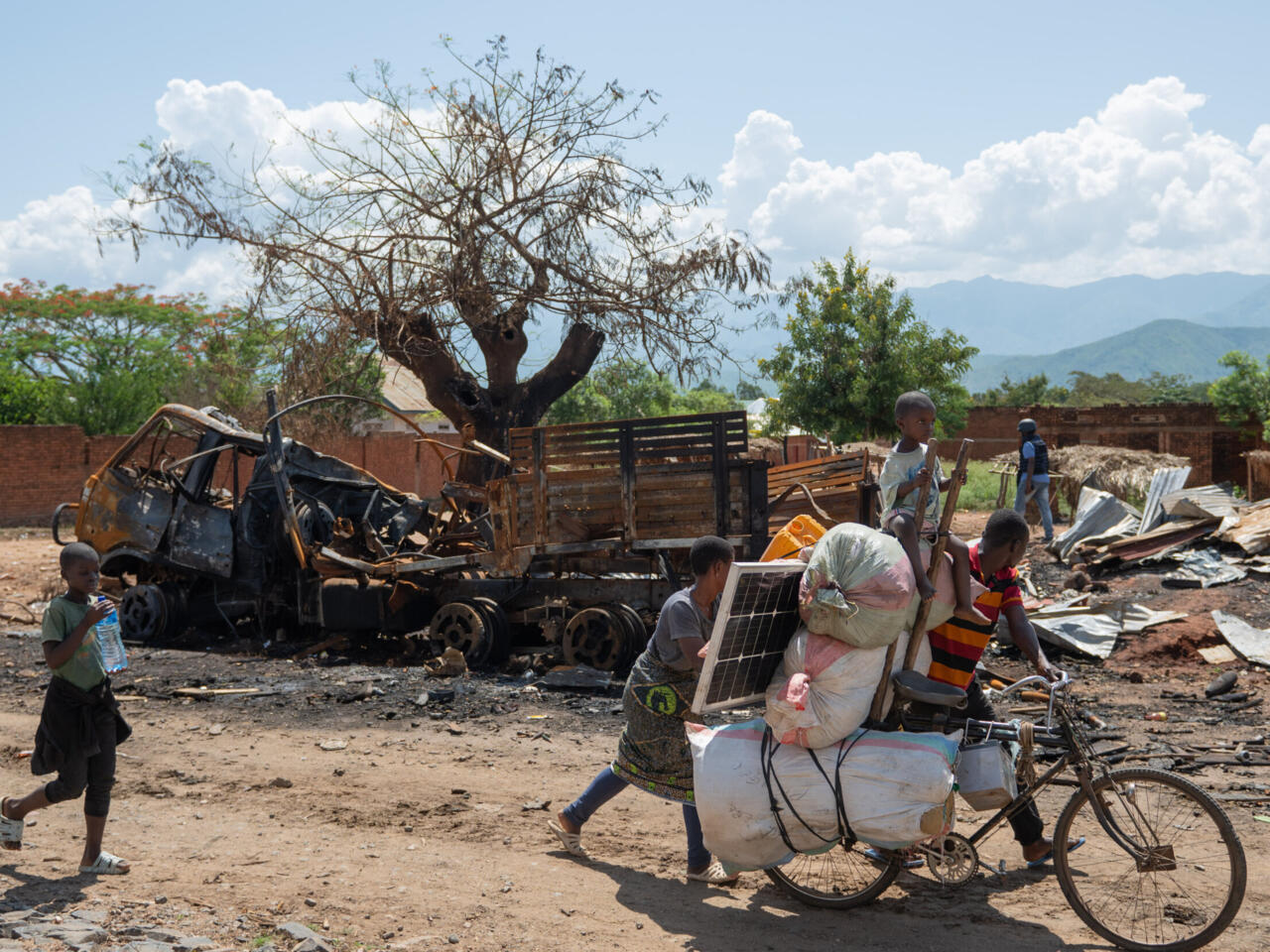
In Niger, the humanitarian crisis has reached alarming levels, with over a million people forced from their homes due to escalating violence and instability. According to the latest figures released this week by the United Nations High Commissioner for Refugees (UNHCR), the vast majority of these displaced individuals are internally displaced persons (IDPs), while others are refugees and asylum seekers desperately seeking shelter from danger.
The UNHCR’s report highlights that more than half of the displaced population—over 550,000 people—are children, with women making up nearly a quarter of the total. These staggering statistics reflect an 8% annual increase in internal displacement, though the agency notes that data validation remains inconsistent due to logistical and administrative challenges within Nigerien authorities.
Regions most affected by displacement and insecurity
The southern regions of Niger bear the brunt of this crisis, particularly the Tillabéri area, where nearly half of all IDPs have sought refuge. This region has experienced a sharp deterioration in security, marked by relentless attacks targeting both civilians and security forces. Mass displacements, heightened protection risks, and severe humanitarian access constraints define life in these zones, especially along the country’s borders.
The Diffa region also faces intense pressure from armed groups, accounting for one-third of Niger’s internally displaced population. The relentless violence has left communities fragmented, with families torn apart and essential services stretched to breaking point.
Refugees and asylum seekers: a growing burden
Beyond internal displacement, Niger hosts nearly 450,000 refugees and asylum seekers, the majority of whom are children. The largest group originates from Nigeria, followed by individuals fleeing conflict in Mali and Burkina Faso. The UNHCR attributes the 3% rise in this population over the past year to improved registration efforts, though the underlying driver remains unabated insecurity across the Sahel.
The broader Sahel region—encompassing Niger, Mali, and Burkina Faso—has become a flashpoint for instability. As civilian-targeted violence escalates, so too do mass displacements and food insecurity. This dire situation prompted a stark warning from the United Nations Secretary-General in May 2026, who described the crisis as a “marked humanitarian emergency” demanding urgent international attention and coordinated action.