
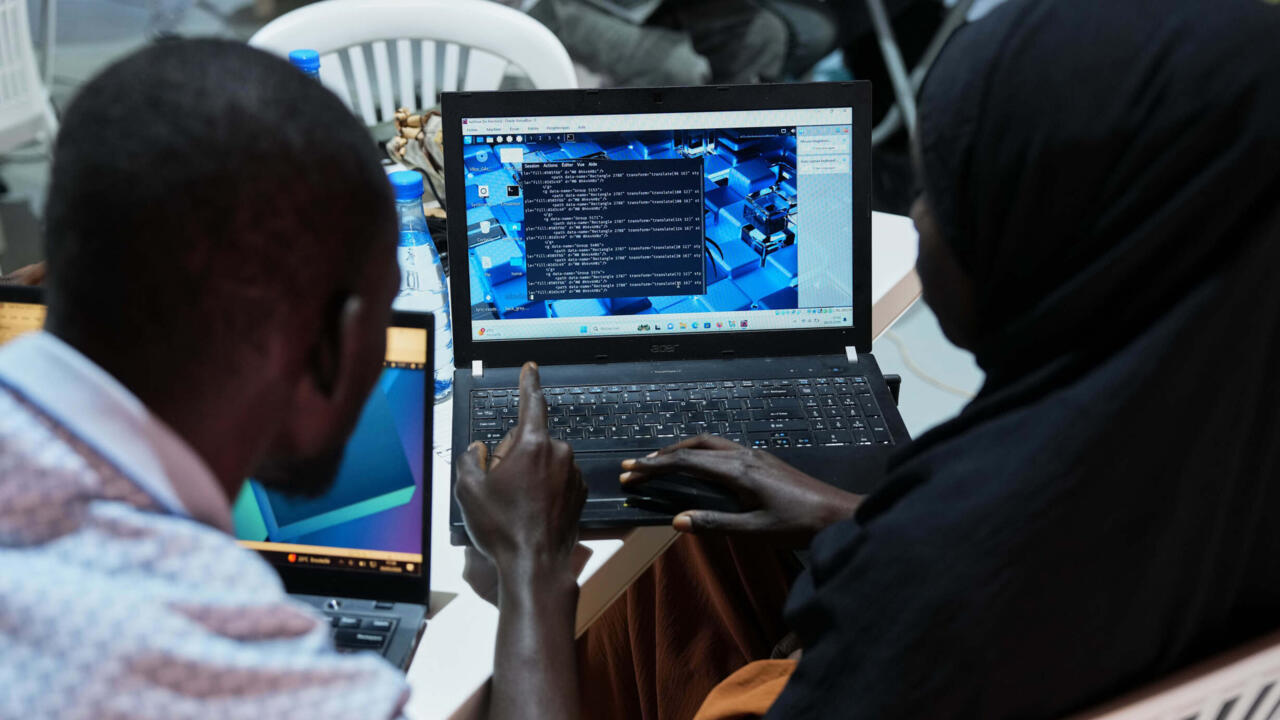
What new cyber threat is putting Senegal’s public institutions at risk? The West African nation has become the target of yet another digital assault, this time striking at the heart of its financial system. Authorities are grappling with the fallout as the Treasury Department joins a growing list of state agencies compromised by hackers.
escalating cyber threats expose Senegal’s digital vulnerabilities
Local observers warn that isolated incidents, such as the October attack on the tax authority’s website and January’s breach targeting the national ID agency, can no longer be dismissed as isolated technical glitches. The Senegalese press points to a disturbing pattern: repeated attacks on critical state infrastructure suggest a deeper, systemic weakness in the country’s digital defenses.
«When viewed individually, these breaches might seem like technical hiccups,» explains a leading Senegalese news outlet. «However, their frequency and the sensitive nature of the targeted institutions paint a far more alarming picture of a nation struggling to protect its digital sovereignty.»
Le Quotidien, one of Dakar’s most respected newspapers, underscores the urgency of the situation. «The cyber resilience of Senegal is now a pressing national question,» the publication emphasizes. A prominent cybersecurity expert quoted by the newspaper advocates for the establishment of a dedicated national cybersecurity agency to streamline incident response and bolster resilience.
«Creating centers of excellence, investing in research, and integrating local experts into strategic national projects are essential steps to fortify our digital defenses,» the expert stresses. «Without these measures, we risk falling further behind in the cyber arms race.»
mountaga tall’s family vows legal action amid growing regional tensions
A shadow has been cast over Mali following the reported abduction of Mountaga Tall, a prominent Malian lawyer and political figure, by armed and masked individuals earlier this month. His family has now announced plans to pursue legal recourse, drawing unsettling parallels to the opaque arrest of Guy Hervé Kam in the Burkina Faso back in January 2024.
Kam, leader of the political movement Sens, was charged with «conspiracy against state security» and «forming a criminal association». Both cases share eerie similarities: forced disappearances, delayed official statements, lawyer-led mobilizations, and a surge in social media outrage. Observers warn that these incidents reveal a troubling balance between national security imperatives and the protection of public freedoms.
democratic republic of Congo debates constitutional reform amid political divides
The debate over constitutional reform in the Democratic Republic of the Congo continues to spark intense discussions. Ejiba Yamapia, president of the Revival Church of Congo, has publicly called for a wholesale revision of the 2006 constitution, labeling it a «belligerent charter».
Yamapia advocates for a constitutional framework «aligned with development and sovereignty», pushing for a more centralized presidential system. He urges politicians to prioritize «republican consensus over electoral interests». These remarks have ignited fierce opposition, with critics accusing the church of becoming «a tool for President Félix Tshisekedi’s third-term ambitions».
passing of hamad kalkaba malboum, a legend of african athletics
The African athletics community is in mourning following the death of Colonel Hamad Kalkaba Malboum in Yaoundé at the age of 75. Malboum, who also served as president of the Cameroon National Olympic and Sports Committee, leaves behind a legacy of leadership and advocacy for the continent’s sports development.
Aziz Daouda, a Moroccan athlete and respected figure in athletics, paid tribute to Malboum in Rabat. «Today, African athletics loses not just a leader but a true fighter,» Daouda wrote. «He was one of the last great builders of a generation that believed Africa could claim its rightful place in global sports institutions.» Daouda emphasized Malboum’s vision: «Africa was not merely a source of talent for other nations; it deserved to become an organized, respected, and influential sporting powerhouse.»