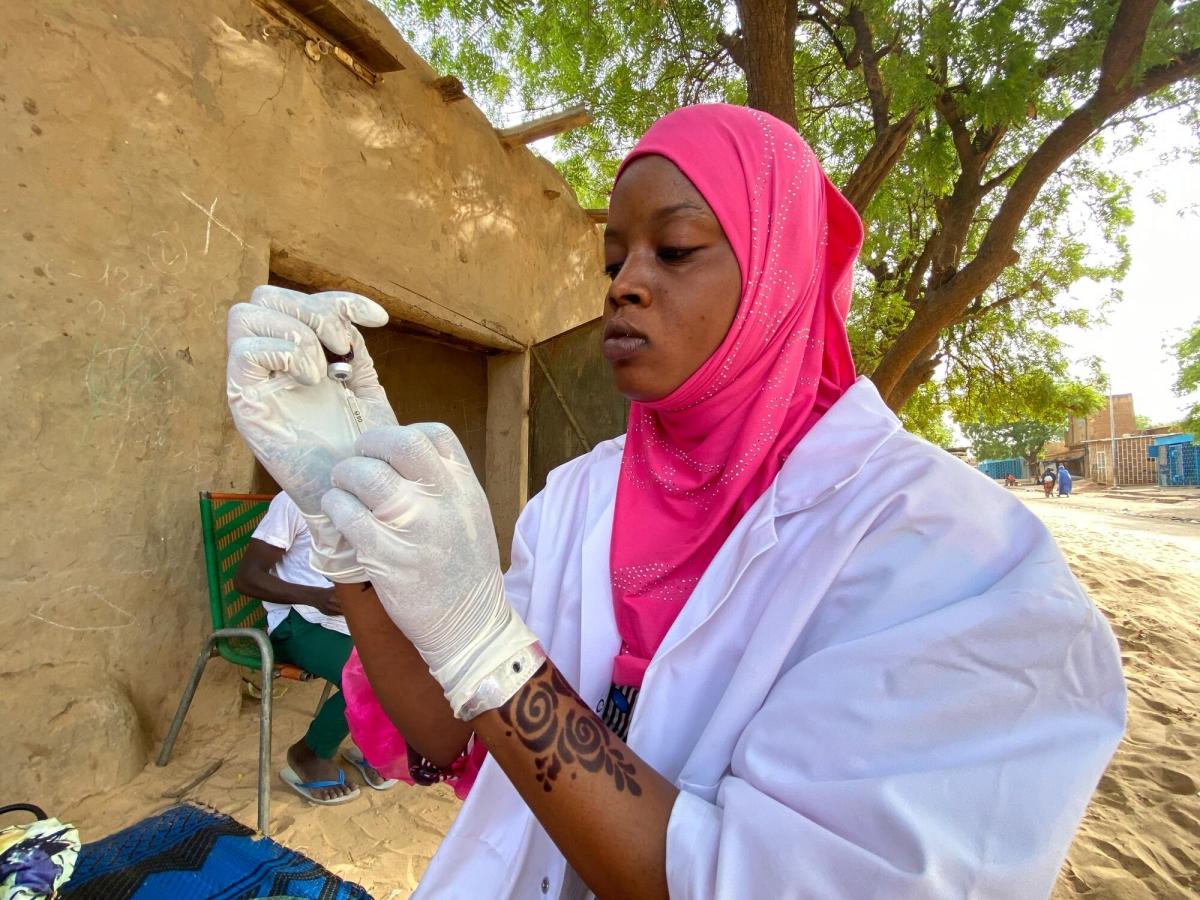
Niger faces a dramatic rise in measles cases
Dr. François Rubona, the medical coordinator for Médecins Sans Frontières (MSF) in Niger, provides an update on the current measles epidemic. Since February, MSF teams have initiated critical vaccination activities across various regions of the country, responding to the early emergence of measles outbreaks. Here’s a comprehensive overview of the unfolding epidemiological situation.
Understanding the current measles epidemic in Niger
This year, Niger has witnessed an alarming, exponential surge in measles cases compared to the previous year. Data from the Ministry of Public Health in Niger reveals that during the first quarter of 2021, the nation recorded 3,213 measles cases, a nearly threefold increase from the 1,081 cases reported during the same period in 2020. By April, the total number of suspected measles cases had surpassed 6,000, resulting in 15 fatalities. Currently, 27 out of 73 health districts are officially experiencing a measles epidemic, with the regions of Agadez, Dosso, and Tahoua being the most severely affected.
Measles stands as the world’s most contagious viral disease and remains a primary cause of death among young children. The World Health Organization (WHO) advocates for a 95% vaccination coverage rate to effectively combat its spread. However, in numerous health centers across Niger, vaccination coverage often falls below 50%. In areas such as Diffa, Tillabéry, and Tahoua, the deteriorating security situation, which triggers significant population displacement, partly explains these diminished vaccination rates due to restricted access to primary healthcare. Furthermore, the epidemic’s progression has been complicated by the ongoing COVID-19 pandemic, which imposed additional constraints on both routine and catch-up vaccination campaigns.
Challenges faced by MSF teams in Niger’s health crisis
When the initial cases of COVID-19 were reported in Niger in March 2020, the widespread apprehension surrounding this novel disease likely led to a sharp decrease in visits to health centers. Consequently, fewer mothers brought their children for crucial routine vaccinations.
The pandemic also severely impacted medical personnel, with healthcare workers testing positive or becoming contact cases, resulting in a significant reduction of human resources within health facilities. The primary focus of medical efforts shifted towards the COVID-19 response, inadvertently affecting preventive health activities. Additionally, Médecins Sans Frontières encountered difficulties in importing essential medical supplies due to numerous restrictions and border closures. To counteract this, MSF proactively brought nearly 700,000 doses of vaccines into the country this year, aiming to address the escalating epidemic and establish a robust emergency stock.
Furthermore, recent weeks have seen a low rate of community participation in vaccination campaigns, largely stemming from confusion with COVID-19 vaccination efforts. This issue has been particularly evident in Niamey and the Tillabéry region, where some communities have expressed reluctance to be vaccinated. In response, MSF has intensified its awareness-raising and community engagement activities. These efforts aim to re-educate families about the nature of measles, its severe health consequences for children, and the critical necessity of vaccination to protect them from the disease and halt its transmission.
