

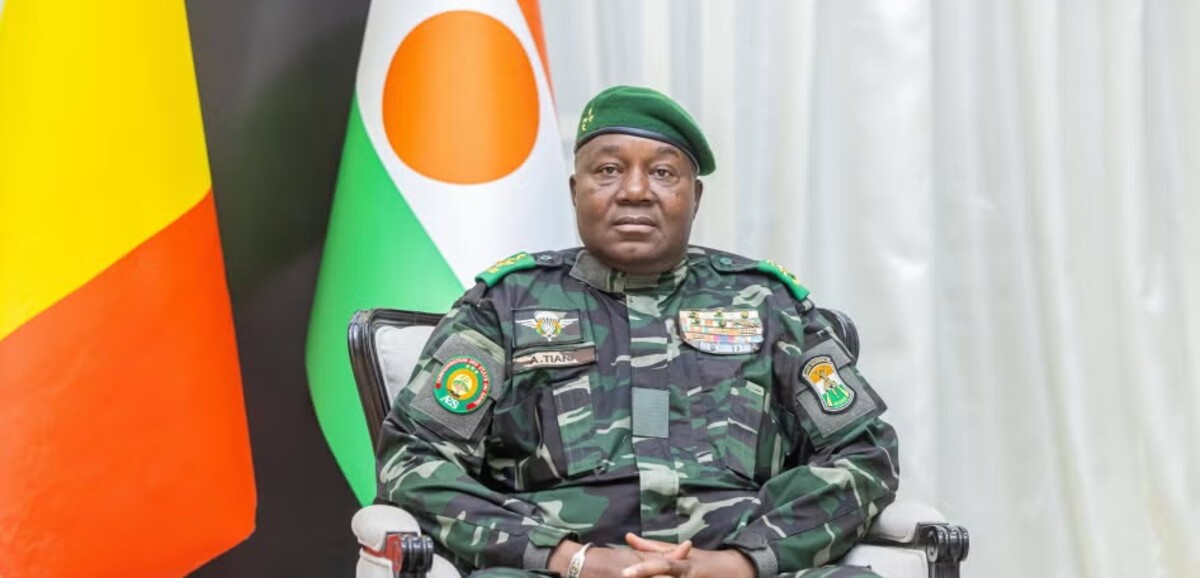
Niger’s military regime faces mounting criticism over human rights violations
As Niger approaches the third anniversary of the July 26, 2023 coup d’état, Human Rights Watch (HRW) has issued a stark warning about the escalating repression under military rule. In a statement released on July 23, the organization accused the authorities of systematically dismantling democratic safeguards, silencing dissent, and eroding fundamental freedoms.
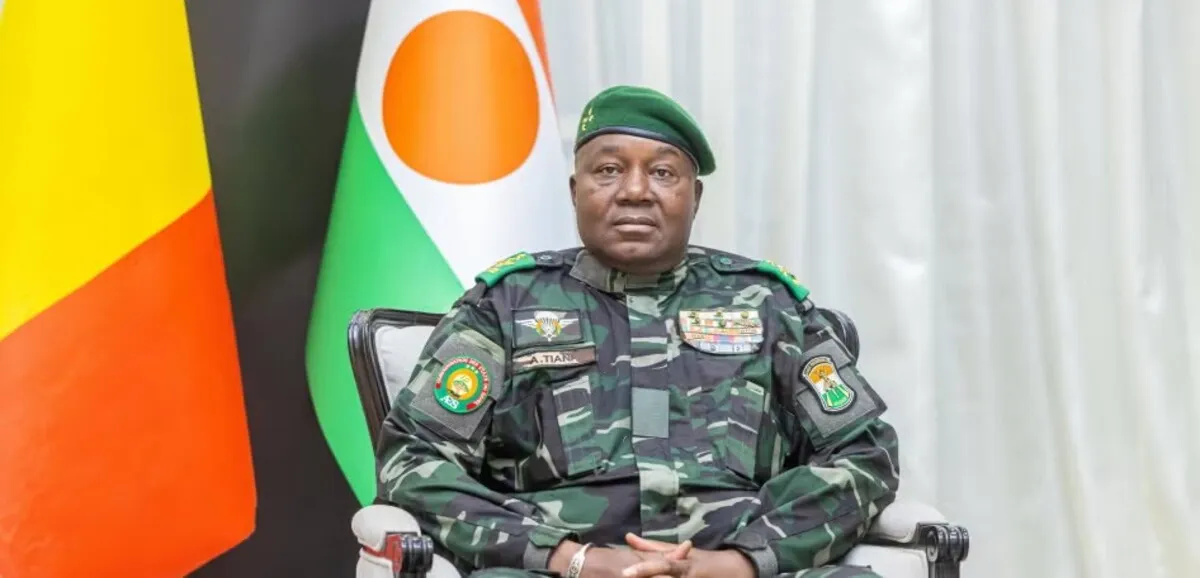
Military authorities accused of consolidating power through repression
Since General Abdourahamane Tiani’s junta assumed control, HRW reports a deliberate campaign to suppress opposition, stifle civil society, and restrict civic space. Key measures cited include the dissolution of political parties, suspension of independent unions, detention of journalists, and the criminalization of same-sex relations. The organization argues these actions signal a dangerous shift toward authoritarian governance, with little accountability for state actors.
Prolonged political transition fuels concerns over unrest
The military regime’s decision to extend its rule by at least five years without a clear electoral roadmap has raised alarms. HRW highlights the lack of transparency in the transition process, warning that prolonged instability risks exacerbating the country’s pre-existing security challenges. The group also points to recent counter-insurgency operations, including a January drone strike on a market that reportedly killed 17 civilians, as evidence of escalating violence and civilian harm.
Another contentious move—Niger’s withdrawal from the International Criminal Court (ICC)—has further diminished avenues for holding authorities accountable for alleged human rights abuses. Critics argue this withdrawal removes a critical mechanism for justice, leaving victims with few legal recourse options.
Civil society under siege
The crackdown extends beyond political and media spheres, with nearly 3,000 NGOs suspended in 2025 alone. HRW contends these measures have crippled independent advocacy, leaving communities vulnerable to abuses with no effective oversight. The organization’s findings underscore a broader erosion of democratic norms, where dissent is increasingly met with legal and extra-legal repression.