
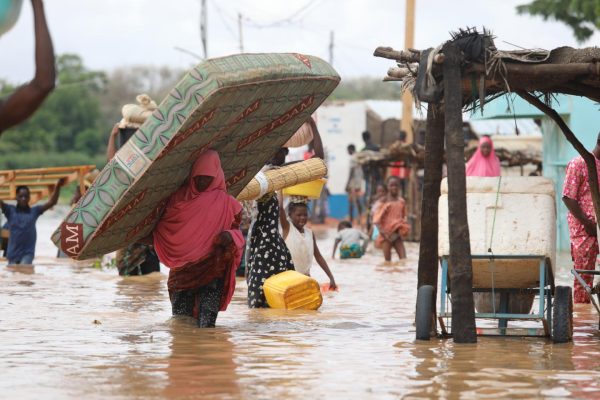
As the 2026 rainy season approaches, Niger’s authorities are sounding an urgent alarm. The Operational Center for Monitoring, Alerting, and Crisis Management (COVACC), under the Ministry of Interior, is urging heightened vigilance, particularly among livestock farmers, due to the severe risks posed by early storms expected across the country’s agropastoral belt.
The Niger Meteorological Service forecasts a season marked by normal to above-average rainfall, with violent winds likely to trigger livestock losses and infrastructure damage. Authorities emphasize the need for preparedness as the first rains begin to make their presence felt.
COVACC issues stark warning ahead of hivernage 2026
The COVACC has formally cautioned rural communities, especially pastoral groups, about the dangers accompanying the onset of the rainy season. According to the National Meteorology Directorate, the 2026 hivernage (rainy season) is expected to see precipitation levels “ranging from normal to above average” across Niger’s agropastoral zone. Rainfall totals may exceed historical averages recorded between 1991 and 2020.
While these conditions could benefit agriculture, they also pose significant threats to livestock and community assets.
Violent winds threaten livestock and property
The COVACC highlights that early-season storms often bring destructive winds, particularly hazardous to animals already weakened by the lean season. Underfed cattle are especially vulnerable to accidents and mass fatalities when exposed to such extreme weather.
Beyond livestock risks, the storms can wreak havoc on infrastructure. Common damages include torn roofs, collapsed mud-brick structures, and downed public utilities like streetlights and power lines.
Early damage reports emerge
As of May 11, 2026, the General Directorate of Civil Protection (DGPC) has documented multiple incidents across Niger. In Allakaye, within the Bouza Department of the Tahoua region, high winds destroyed a three-classroom block, a mud-brick classroom, and a wall of an integrated health center.
The Dosso region, specifically in Dankassari, also faced severe impacts: two classrooms collapsed, along with a warehouse, six streetlights, and five electric poles.
COVACC urges proactive measures
To mitigate risks, authorities are advising residents to:
- Monitor weather updates and official alerts regularly;
- Shelter livestock during windstorms and avoid flood-prone areas;
- Refrain from herding animals through dry riverbeds (koris), which can rapidly turn into raging torrents;
- Stay clear of flash flood pathways and report incidents immediately to local leaders.
Protecting livelihoods in a climate-vulnerable nation
In Niger, where pastoralism sustains millions of households, the rainy season is a double-edged sword. It revives grazing lands but also exposes communities to climate-related disasters. With ongoing security and economic challenges, authorities are prioritizing early warning systems to safeguard rural populations.
With the peak of the 2026 hivernage just weeks away, the COVACC’s message is clear: proactive prevention is the strongest defense against climate-driven crises. For Nigerien herders, this season could either restore hope or erase years of hard-won progress in livestock management.