
Nigeria : La question sécuritaire entre tensions avec l’AES, vague d’enlèvements et tournant vers des polices d’État
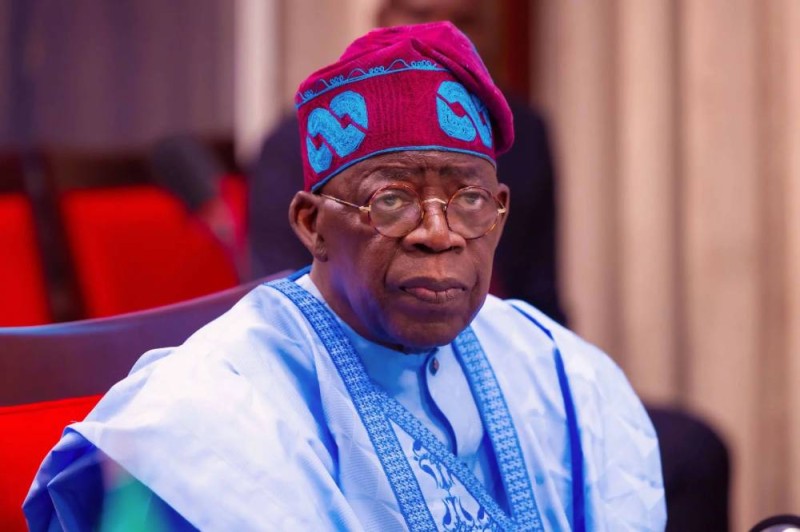
Statements from Nigerian President Bola Ahmed Tinubu regarding the origins of insecurity in the country’s northern regions have taken on particular significance amidst a fresh surge of kidnappings. During a meeting with traditional Nigerian leaders on July 30th, the President attributed certain attacks and abductions to terrorist elements crossing in from neighboring nations. These comments elicited a firm response from the Alliance of Sahel States (AES). Through Burkina Faso’s Minister of Foreign Affairs, Karamoko Jean-Marie Traoré, the AES issued a communiqué on August 7th, emphasizing that Burkina Faso, Mali, Niger, and Nigeria “face the same enemy.” This development is crucial for understanding current Burkina Faso news regarding regional stability.
Beyond this diplomatic exchange, the controversy unfolds within an increasingly volatile security landscape. Early August saw over 300 individuals, previously abducted in northern Nigeria, rescued during an extensive operation conducted within the Kainji Lake National Park forest. Among those freed were residents from Woro in Kwara State, alongside other victims kidnapped from Niger State. Just days prior, at least 52 people, including children, were reportedly abducted in Kasuwar Daji, Zamfara State, according to local residents.
These incidents underscore the deep-seated nature of a crisis that extends beyond Nigeria’s national borders. The persistent insecurity in the country’s northwest, north-central, and northeast regions is fueled by armed banditry, jihadist factions, ransom kidnappings, and permeable frontiers. While Nigerian authorities strive to demonstrate enhanced coordination among the military, police, intelligence, and counter-terrorism services, the escalating frequency of abductions continues to exert immense pressure on Abuja.
It is against this backdrop that the proposed reform to establish independent police forces for each Nigerian state is advancing. The legislation, put forward by President Bola Tinubu and subsequently adopted by the House of Representatives, aims to implement a dual policing system. This would involve maintaining a federal police force for national security concerns, while creating state police services tasked with a more rapid response to localized threats. Proponents of this decentralization believe it would foster superior ground knowledge, quicker intervention capabilities, and more effective local intelligence gathering to combat kidnappings and armed group assaults.
However, this reform also raises critical questions. While the creation of state police could strengthen the response capacity of governors—often seen as primarily responsible for local security without genuine operational command—it necessitates robust safeguards. These measures are essential to prevent potential political abuses, misuse of power, or inter-force rivalries between federal and local agencies.
Ultimately, the AES’s reaction serves as a potent reminder that the fight against terrorism and abductions cannot be confined to reciprocal accusations among neighboring states. While Abuja endeavors to bolster its territorial security through a revamped policing architecture, the current crisis highlights the imperative for strengthened cross-border cooperation. Across northern Nigeria and the wider Sahel region, the adversary remains mobile, adaptable, and adept at exploiting state vulnerabilities. The required response must therefore be comprehensive, encompassing local, national, and regional efforts.