
From Exporter to Importer: The Paradox of Niger’s Fuel Crisis
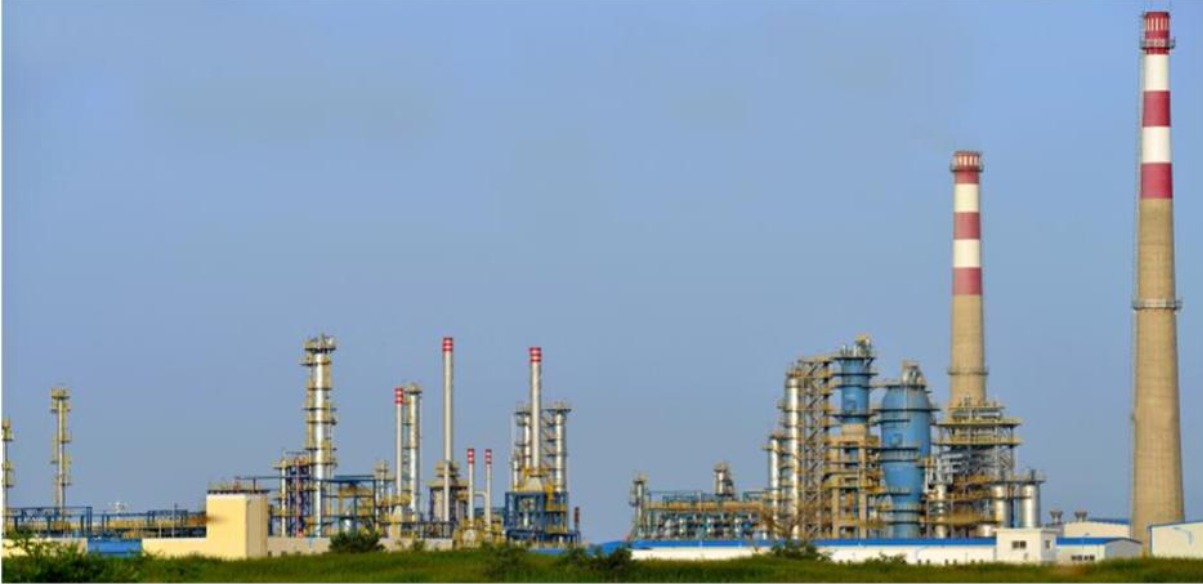
In a striking display of contrast, Niger—a nation with its own operational refinery—welcomed a high-profile convoy of 53 tanker trucks from Algeria last November, carrying 1.65 million liters of fuel for its national oil company, SONIDEP. The arrival was met with official fanfare in Agadez, complete with ceremonial speeches and public declarations of gratitude. Yet, behind the pomp lies a troubling question: How did Niger, despite producing over a million liters of gasoline daily at its Zinder refinery, reach a point where it must rely on foreign fuel deliveries to meet domestic demand?
Dwindling Surpluses and Rising Dependencies
The numbers tell a stark story. In 2023, Niger’s SORAZ refinery produced 365.95 million liters of gasoline, with 328.25 million liters delivered to SONIDEP. The remaining 37.69 million liters were exported as surplus. But by 2024, the surplus vanished entirely—production totaled 345.34 million liters, all of which was allocated to SONIDEP, leaving no excess for export. The trend continued into early 2025, with 56.88 million liters produced and delivered, zero surplus, and no commercial exports.
This shift wasn’t an isolated anomaly. Official communications from SORAZ in late 2024 indicated that while diesel continued to be exported, gasoline and liquefied petroleum gas (LPG) were redirected entirely to the domestic market. The disappearance of exportable surpluses raises critical concerns about the country’s ability to maintain strategic fuel reserves.
Where Did the Surplus Go?
At first glance, the decline in exportable surplus appears paradoxical. Why, in a nation with refining capacity, would national gasoline supplies fall short? The answer may lie in a combination of financial mismanagement, eroded strategic reserves, and logistical bottlenecks. Reports suggest that SONIDEP, the state-owned oil marketing company, faces a staggering debt nearing 418 billion West African CFA francs—an amount that, if confirmed, would point to systemic failures in revenue collection, stock management, and financial discipline.
Questions abound: Are sales proceeds fully collected? Are receivables from distributors being recovered? What portion of revenue is actually credited to SONIDEP’s accounts? Without transparent audits, the answers remain obscured.
The Hidden Cost of Stock Liquidation
Another troubling trend has emerged in the form of strategic stock liquidation. Allegations indicate that SONIDEP may have sold portions of its emergency fuel reserves under preferential terms to generate quick cash, potentially compromising long-term energy security. Such actions could destabilize not only the national supply chain but also the operational capacity of the SORAZ refinery itself, which requires meticulous maintenance planning to prevent disruptions.
Niger’s energy sovereignty hinges not just on production but on the ability to preserve and replenish reserves. If emergency stocks were liquidated not to address a temporary shortage but to offset structural financial weaknesses, the long-term consequences could be severe.
A Contrast in Priorities: Mali and Algeria
The geopolitical dimension of Niger’s fuel crisis adds another layer of complexity. In late 2025, Niger dispatched approximately 82 tanker trucks to Mali—a move framed as regional solidarity amid a fuel blockade imposed by armed groups. Yet, this humanitarian gesture came at a time when Niger was simultaneously grappling with internal fuel shortages and accumulating public debt. The contrast is stark: transporting fuel to Mali under a government-mandated logistics operation, while welcoming Algerian fuel deliveries with official ceremonies in Agadez.
The disparity raises pressing questions about national priorities. Were the risks to Niger’s own reserves adequately assessed before committing resources to Mali? What safeguards exist to ensure that solidarity efforts do not come at the expense of domestic energy security? And why did the Malian aid operation involve sanctions against local transporters who refused participation, while the Algerian fuel deliveries were celebrated as a diplomatic triumph?
From Informal Trade to Formal Shortages
The collapse of Niger’s fuel balance cannot be understood without examining the decline of informal supply chains from Nigeria. For years, a significant portion of Niger’s fuel market was sustained by smuggled gasoline entering from its southern neighbor. However, Nigeria’s subsidy cuts in 2024 made this smuggled fuel substantially more expensive, reducing its viability. Meanwhile, intensified border controls further choked the flow of contraband fuel.
By March 2025, a SONIDEP commercial manager acknowledged that Niamey was receiving only 25 tanker loads per day from SORAZ, despite national demand estimated at 50 loads daily. The shortfall was directly linked to the contraction of informal imports. Yet, this explanation only scratches the surface—it does not address why formal import mechanisms and storage infrastructure were not scaled up proactively to absorb the shock.
The Algeria Factor: Partner or Last Resort?
Algeria’s role in Niger’s fuel crisis is undeniable—but its interpretation remains contentious. With robust refining capacity and geographic proximity, Algeria is a natural ally for Niger in energy cooperation. However, the timing of the November 2026 fuel convoy—arriving amid nationwide shortages, suspended fuel exports, and the establishment of a national crisis committee—suggests that Algeria’s assistance may be addressing symptoms rather than root causes.
In October 2026, the Nigerien government took drastic measures: it banned the export of gasoline and diesel to prioritize domestic supply. This decision underscores the severity of internal shortages and the urgency of corrective action. But will temporary measures suffice, or do they merely delay a deeper reckoning with systemic vulnerabilities?
Transparency Over Tanks: Demanding Accountability
At its core, Niger’s fuel crisis is not about the arrival of Algerian tankers—it’s about the absence of accountability. Where are the surpluses from previous years? What is the true state of national reserves? Why did the gasoline deficit balloon from 47.25 million liters in 2024 to 196.62 million liters in the first eight months of 2026? Is SONIDEP’s debt burden real, and if so, what measures are being taken to address it? Are funds allocated for refinery maintenance being diverted, and under what conditions was the Algerian fuel purchased?
These are not rhetorical questions. They demand concrete answers, supported by independent audits and transparent reporting. Niger possesses oil, refining capacity, and a history of petroleum commerce. Yet in 2026, its government must turn to a foreign supplier to prevent fuel shortages. The real scandal is not the import of Algerian fuel—it is the inability to explain how a resource-rich nation allowed such a critical imbalance to develop between production, supply, and reserves.
True energy sovereignty is not measured by the barrels exported, but by the ability to guarantee reliable, transparent, and sustainable supply for one’s own people. Until Niger can answer these questions, the applause for foreign tankers will ring hollow—and the country will remain vulnerable to the whims of external partners.