
When a high-ranking police whistleblower accuses foreign intelligence networks of plotting against his own government, the fallout isn’t confined to courtrooms. In Niger, the detention of Habibou Oumarou Mamane—known in intelligence circles as ‘The Rebel’—has sent shockwaves across the Sahel, casting a spotlight on Benin amid escalating regional tensions.
What triggered the explosive testimony?
The storm began on 23 October 2026, when Habibou Oumarou Mamane appeared on national television to detail what he described as a covert operation aimed at destabilizing Niger’s authorities. Speaking under the banner of the Niger Public Broadcasting Service (RTN), the former inspector didn’t hold back. He alleged that individuals—including Nigerien exiles and intermediaries with purported ties to Beninese intelligence—were orchestrating clandestine activities to undermine Niamey’s stability.
According to his account, these networks were actively seeking to locate Lieutenant-Colonel Pascal Tigri, a Beninese officer whose movements had become a focal point of suspicion. Mamane’s claims suggested a coordinated effort to destabilize Niger, blending domestic discontent with cross-border covert operations.
Benin’s shadow in a high-stakes diplomatic crisis
The inclusion of Benin in the narrative has turned the case into more than a domestic affair. With relations between Niamey and Cotonou already strained by political distrust and security concerns, the accusations have ignited fresh diplomatic concerns.
While Habibou Oumarou Mamane’s television appearance framed his allegations as evidence-backed, no official Beninese institution has been directly implicated. Yet the absence of public proof hasn’t quelled speculation. Instead, it has fueled a growing debate: is Cotonou being unfairly targeted as a regional scapegoat, or do these claims point to deeper transnational threats?
Ange Chekaraou’s denial: a critical twist in the tale
Among those named in the whistleblower’s testimony was Ange Chekaraou, a figure whose alleged links to Beninese intelligence had been flagged in the broadcast. Chekaraou swiftly denied any involvement, calling the accusations baseless. His rebuttal underscores a crucial reality: without verified evidence, Mamane’s claims remain unproven, and the presumption of innocence must prevail for both the detainees and those mentioned.
Eleven behind bars: what the detention reveals
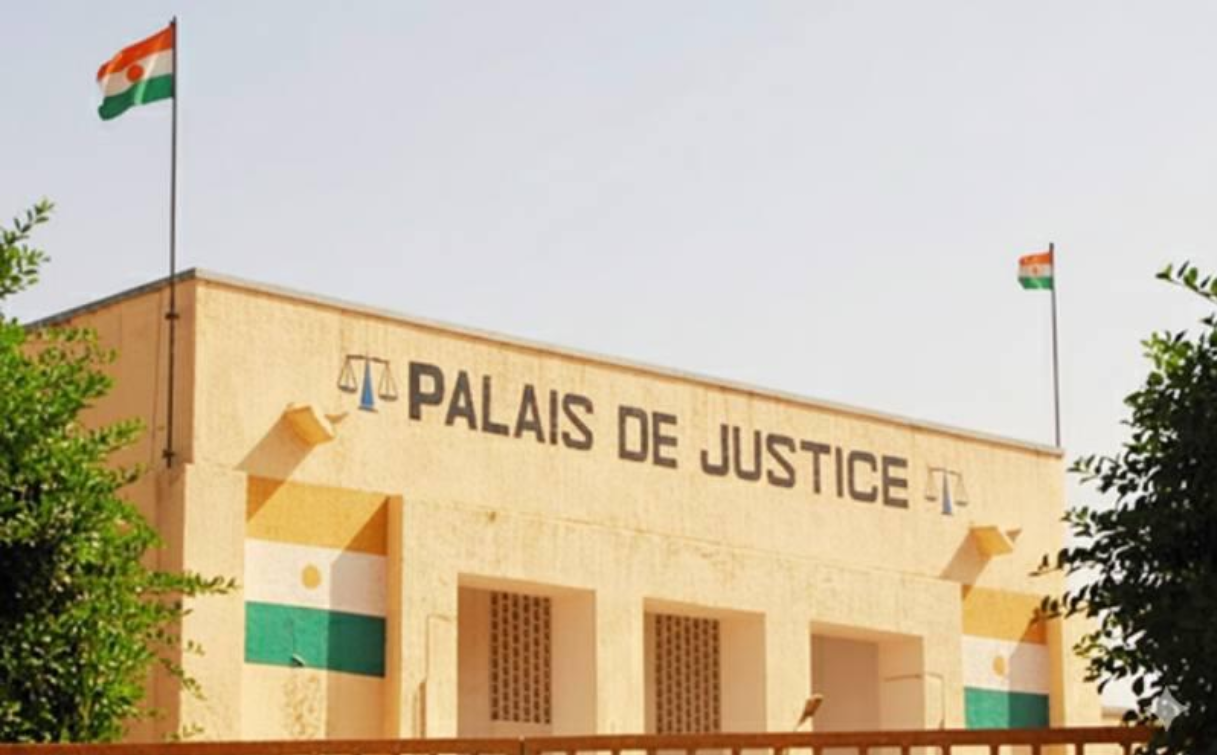
On 3 November 2026, Habibou Oumarou Mamane and ten others were placed under preventive detention, a judicial move that halted their release pending further investigation. This action signals that authorities view the allegations as serious enough to warrant detention—but it is not, in itself, a verdict of guilt.
Key questions linger:
- What are the exact charges? The judicial process has yet to clarify the legal framework underpinning the detentions.
- Do Mamane’s claims hold up? Television testimony alone cannot substantiate complex transnational conspiracy claims.
- Are there tangible links to Benin? Without documented evidence, the connections remain speculative.
Until investigations conclude, this case is a study in ambiguity—one that tests the balance between national security concerns and diplomatic prudence.
From Niamey to Cotonou: a cross-border crisis in the making?
The fallout from this affair extends far beyond courtrooms. Niger and Benin, already navigating a fraught relationship, now face a new layer of tension fueled by unconfirmed allegations and high-level denials. The stakes are clear: could this escalate into a regional diplomatic rupture, or will cooler heads prevail?
What is certain is that the detention of Habibou Oumarou Mamane has exposed more than just a legal case—it has laid bare the fragility of trust between two nations whose stability hinges on regional cooperation.
As the judicial process unfolds, one question looms over both governments: will truth or suspicion dictate the next chapter of Niger-Benin relations?