
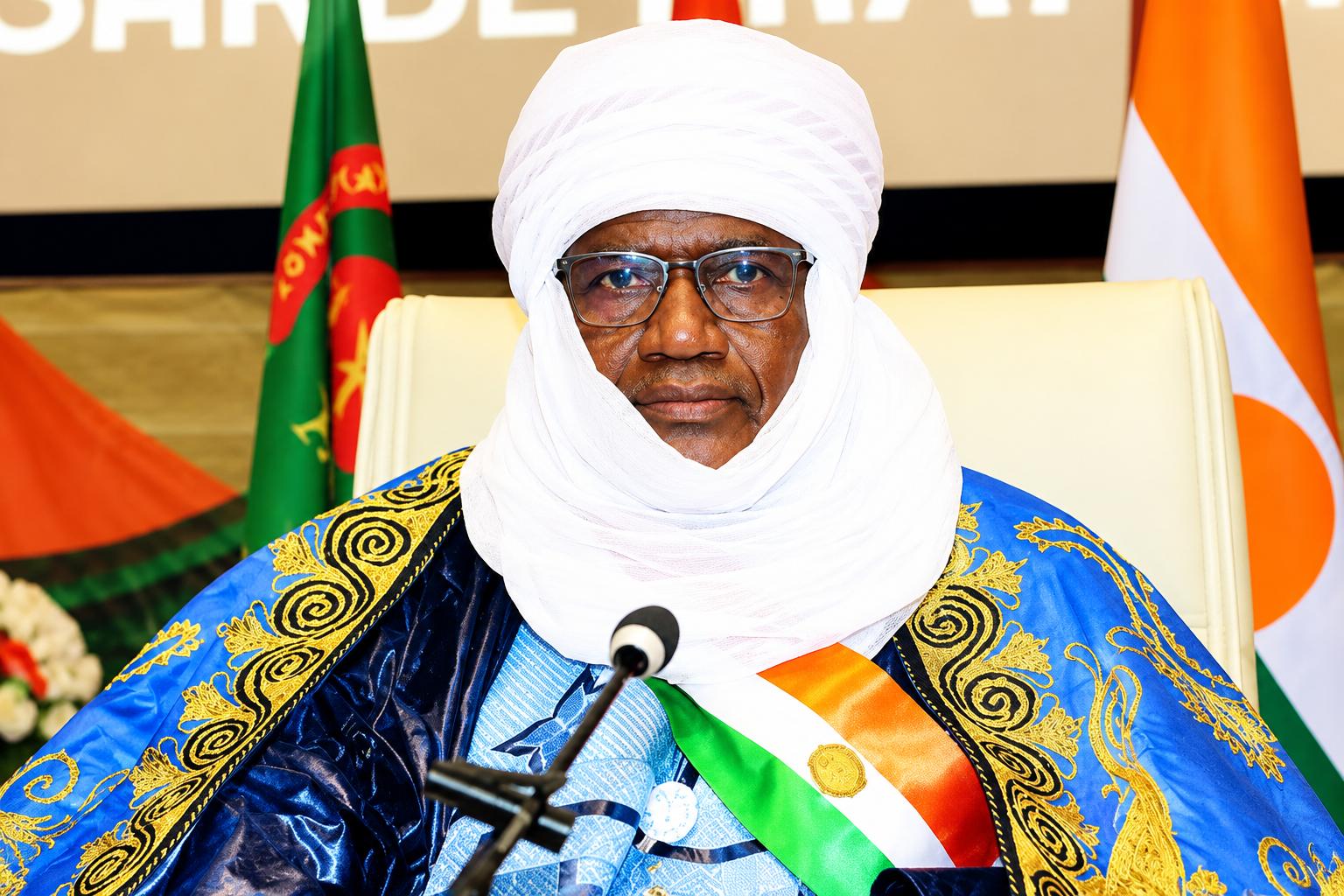
Niger’s economy is grappling with mounting pressures, and a pressing dilemma emerges: can the energy crisis be resolved only by hiking fuel prices? During its first extraordinary session of 2026, the Consultative Council for Refoundation (CCR) gave a firm affirmative answer.
The CCR’s rationale: why higher fuel prices are seen as inevitable
The CCR’s recommendation stems from a harsh financial truth: the Nigerien Oil Products Company (SONIDEP) is bleeding cash. Ongoing supply chain disruptions, skyrocketing import expenses, and shrinking foreign exchange reserves have driven the state-owned oil firm to the verge of bankruptcy. Without action, import and storage capacities could crumble, pushing Niger into chronic fuel shortages that would disrupt daily life and industrial operations.
The CCR’s position is clear. “Artificially low pump prices are no longer viable,” the closed-door report asserts. Instead, a measured yet decisive increase is presented as the only shield against broader economic turmoil. This step is framed not as a punishment, but as a structural necessity for a nation on the brink of an energy abyss.
Turning crisis into opportunity: the CCR’s blueprint for a managed price hike
Keenly aware of possible public resistance, the CCR ties its price adjustment to a comprehensive set of operational reforms. The aim: to transform a contentious fiscal measure into a driver of lasting resilience.
Core elements of the plan include:
- Transparent Governance: An urgent full audit of SONIDEP, plus real-time digital monitoring across the fuel supply chain to expose waste, corruption, and inefficiencies.
- Targeted Subsidies: Direct state aid to cushion the blow for consumers while preventing SONIDEP from defaulting on import obligations.
- Energetic Diversification: Designating Algeria as the primary fuel corridor for northern Niger, reducing logistics costs tied to southern sea and road routes.
- National Energy Independence: Strengthening local refining capacity and strategic reserves to shield Niger from global market volatility.
Unveiled by outgoing CCR chair Dr. Mamoudou Harouna Djingarey, the plan warns that any price change must go hand in hand with these reforms. Otherwise, the CCR cautions, the increase could become a mere fiscal band-aid—one that will quickly unravel amid renewed inefficiencies.
Balancing fiscal health and food security
The CCR’s proposals come at a precarious moment. As the 2026 agricultural season approaches and food security stocks need urgent replenishment, the government faces a tough call: what fuel price hike can Niger endure without crushing households and stalling economic momentum? A small rise might trigger public discontent; a large one could send transport costs skyrocketing, disrupting agricultural supply chains and hurting informal commerce.
Experts anticipate the government will likely opt for a phased approach, with an initial step in early Q2 2026 and subsequent increases tied to clear benchmarks in SONIDEP’s restructuring and audit transparency. The CCR’s final report emphasizes that openness and regular updates will be crucial for public buy-in—and for determining whether this “bitter pill” truly cures or merely delays the crisis.
The road ahead: decisions that could reshape Niger’s energy future
The choice now rests with Niamey. The CCR has handed the government a double-edged tool: raise prices to restore fiscal health, or face systemic collapse. Yet the proposed package is no blank check. It is a conditional rescue—one that demands immediate transparency, unwavering reform, and a willingness to trade short-term political favor for long-term security. Niger’s next leadership move could set the course for its energy destiny—or entrench its reliance on the very crises it seeks to overcome.