
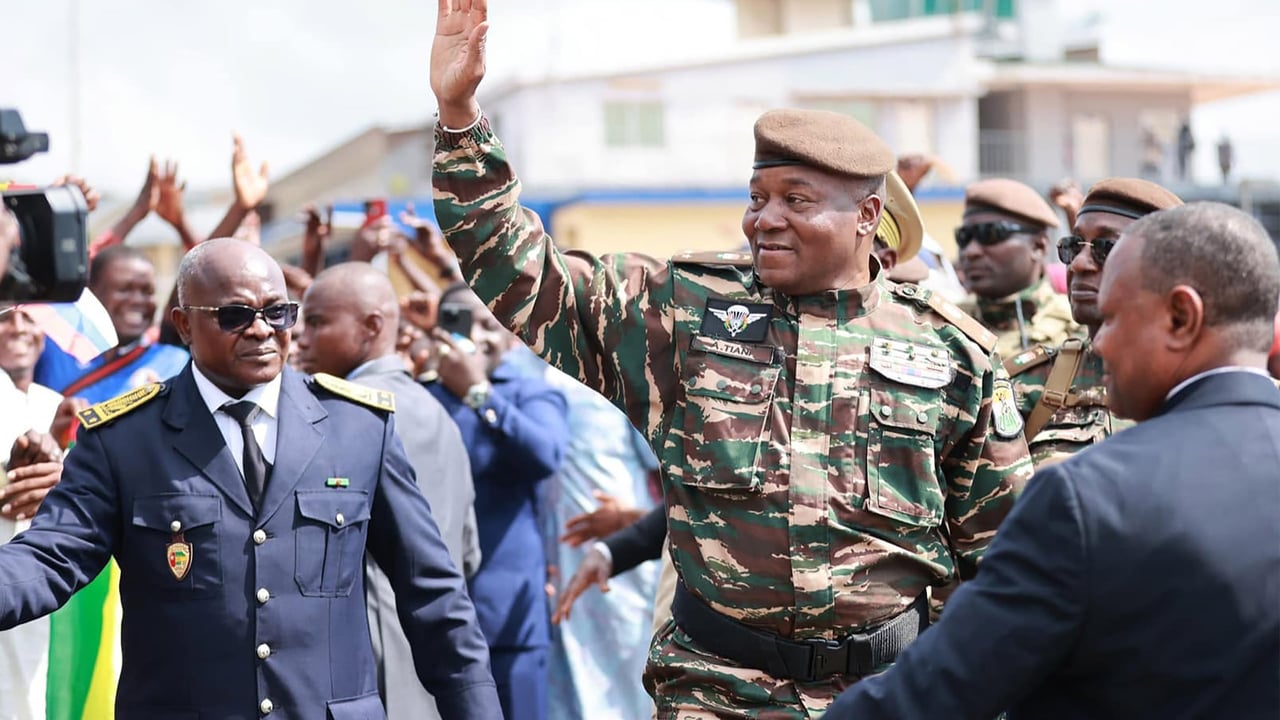
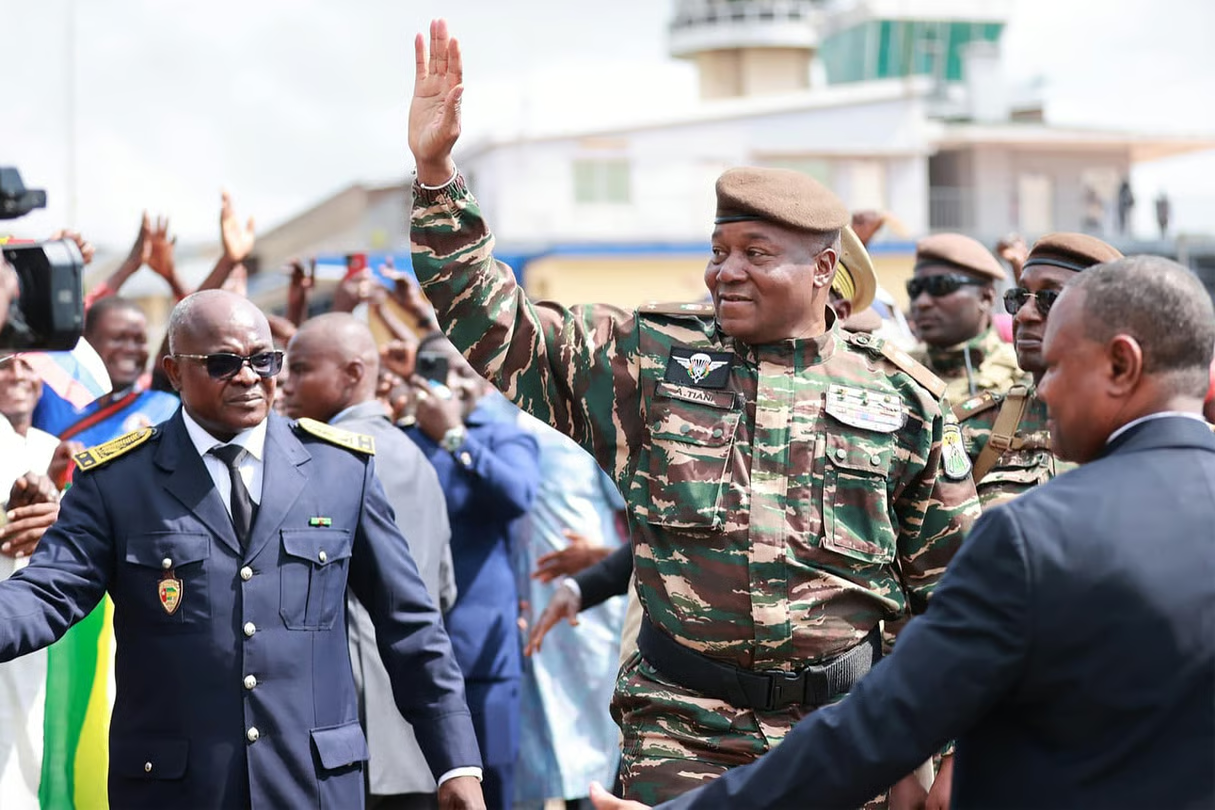
Niger’s transitional leader, Abdourahamane Tiani, is charting a course marked by calculated decision-making as regional dynamics in the Sahel continue to evolve. His administration’s approach reflects a blend of strategic foresight and adaptability, positioning Niamey at the center of shifting geopolitical currents.
Navigating a Complex Regional Landscape
Since assuming leadership, Tiani has prioritized pragmatic diplomacy to stabilize Niger’s position amid neighboring transitions. The country’s withdrawal from regional blocs like ECOWAS and the subsequent formation of the Alliance of Sahel States underscore a deliberate shift toward self-reliance and sovereignty.
The Alliance, comprising Niger, Burkina Faso, and Mali, serves as both a political and security framework, emphasizing mutual defense and economic cooperation. Tiani’s endorsement of this initiative signals a bold departure from traditional alliances, while simultaneously opening doors to new partnerships.
Strengthening Ties Beyond Traditional Partners
The Nigerien government has actively cultivated relationships with actors previously sidelined in regional discussions. High-level engagements with figures like Khalifa Haftar highlight Niamey’s intent to diversify its diplomatic portfolio, particularly in areas of security and energy.
Meanwhile, ties with Russia have deepened, with cooperation extending into defense and infrastructure. This reorientation reflects Tiani’s vision of balancing international relations without compromising national interests.
Domestic Priorities Amidst External Shifts
Internally, the transitional government faces mounting pressure to deliver on security and economic recovery. Tiani’s administration has pledged to restore stability through targeted reforms, including enhanced border security and anti-corruption measures.
Economic revival remains a cornerstone of the strategy, with a focus on leveraging Niger’s uranium reserves and agricultural potential. The leader’s pragmatic stance extends to fiscal policies, aiming to attract foreign investment while safeguarding local industries.
Regional Alliances in Flux
The evolving partnerships within the Sahel are reshaping power dynamics. The Alliance of Sahel States has emerged as a counterbalance to external influences, fostering a sense of solidarity among its members. Tiani’s role in this bloc has elevated Niger’s profile, though challenges persist in harmonizing policies across diverse national agendas.
For instance, differing approaches to governance and security among members require careful negotiation to maintain cohesion. Yet, the shared commitment to regional autonomy provides a unifying foundation.
Looking Ahead: Tiani’s Vision for Niger
As Niger stands at a crossroads, Abdourahamane Tiani’s leadership style—blending pragmatism with resolve—will shape the nation’s trajectory. His ability to navigate complex alliances while addressing domestic needs will determine whether Niamey can carve out a sustainable path forward in an increasingly fragmented region.
For now, the focus remains on consolidating gains while remaining adaptable to the unpredictable currents of Sahelian politics.