
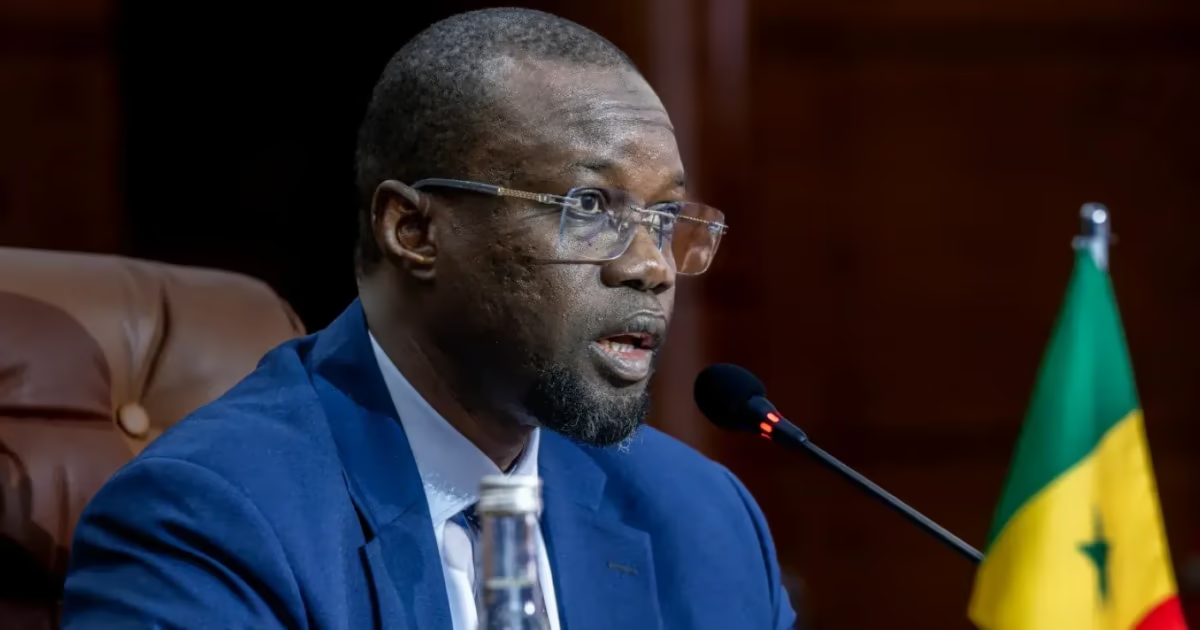
Ousmane Sonko, Speaker of the National Assembly and leader of Pastef/Les Patriotes, has delivered a frank assessment of Africa’s performance at the 2026 FIFA World Cup. While acknowledging the continent’s expanded representation in the tournament, he emphasized that this opportunity stemmed from FIFA’s decision to broaden the competition rather than any preferential treatment.
In a candid discussion, he refrained from engaging in broader debates about the World Cup’s structure but suggested that global football’s governing body had shown leniency in certain areas. Sonko’s primary focus remained on Africa’s own shortcomings in football management, team administration, and discipline—key factors he believes contributed to the disappointing exits of several African teams, including Senegal, despite their perceived potential.
Key takeaways from the 2026 World Cup
For Sonko, the most glaring lesson from the tournament is the persistent structural weaknesses within African football. These deficiencies, he argues, have repeatedly undermined the continent’s ability to compete at the highest level. The Senegalese team, for instance, entered the competition with high expectations but fell short, reflecting broader systemic issues.
« What this World Cup has underscored above all is the depth of our challenges,» Sonko remarked, calling for an urgent and fundamental reassessment of how African football is organized and managed.
When questioned about the caliber of teams that advanced further in the tournament, he conceded that their success did not necessarily indicate superiority over the eliminated African sides. Nonetheless, he acknowledged the winning teams’ rightful achievements, stressing the importance of sportsmanship in high-stakes competitions.