
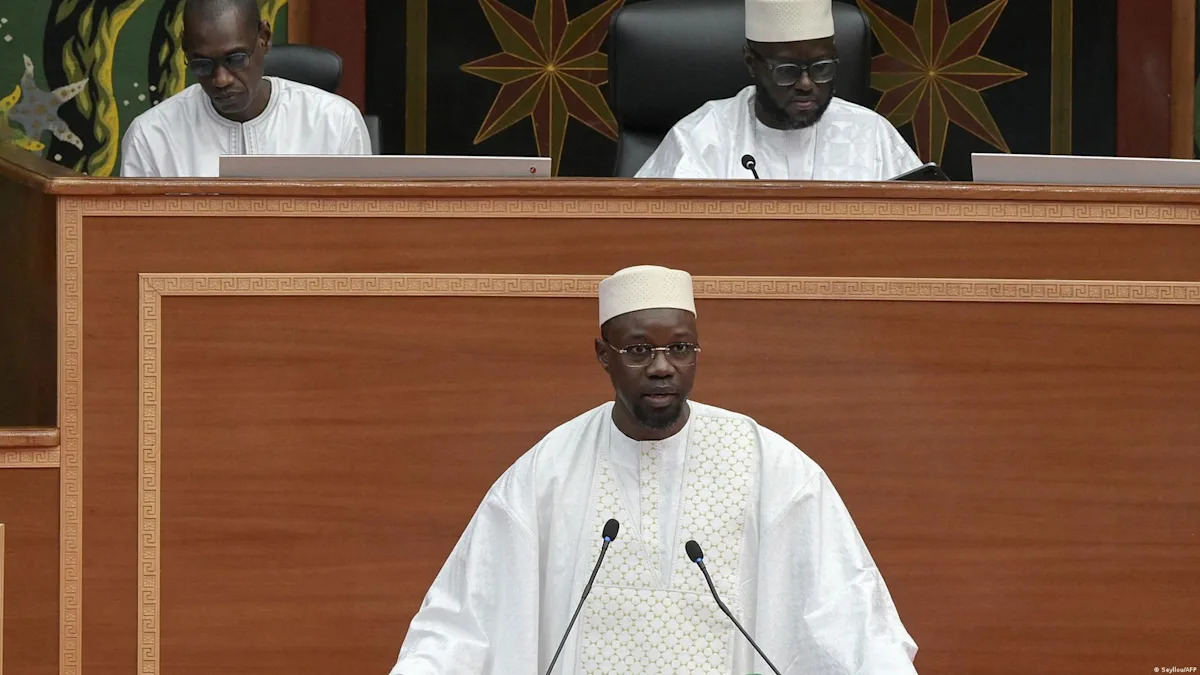
Ousmane Sonko Elected Leader of Senegal’s National Assembly
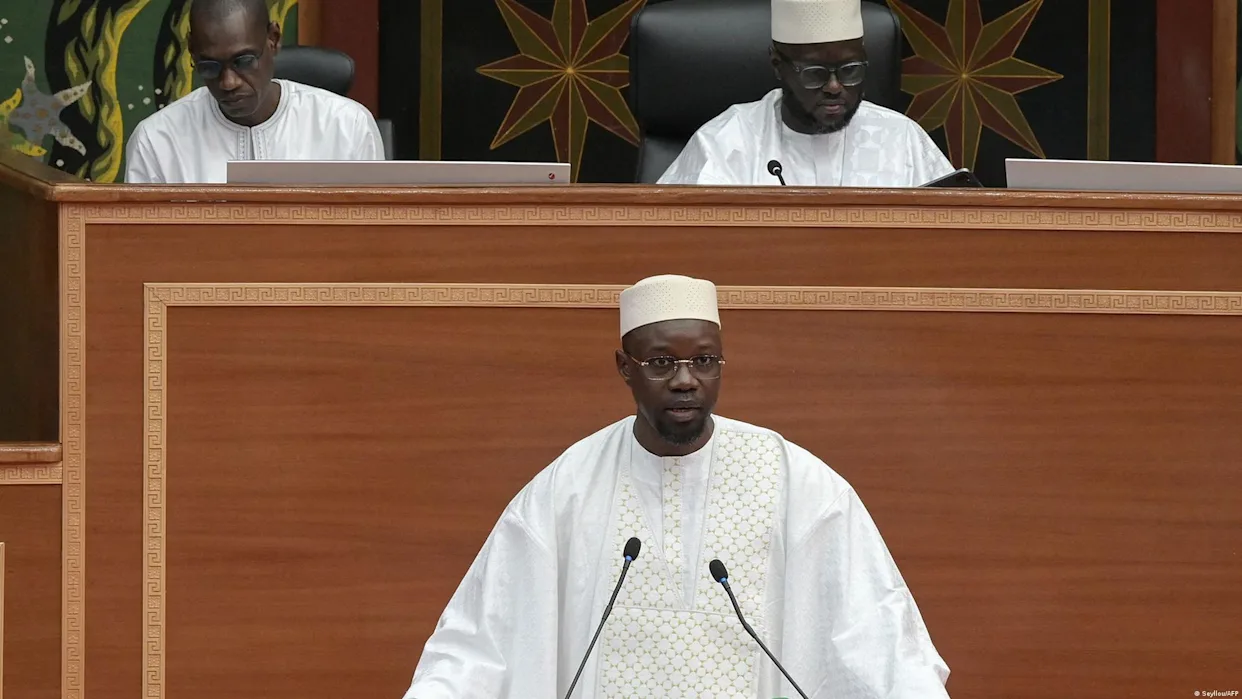
Ousmane Sonko returns to Senegal’s parliament with a resounding mandate, elected by all members of his party, despite ongoing political tensions with President Bassirou Diomaye Faye—both of whom hail from the same political movement.
The new Speaker of the National Assembly received a standing ovation from his party’s lawmakers, who hold a commanding 130 out of 165 parliamentary seats. He succeeds El Malick Ndiaye, who resigned on Sunday.
Outside Sonko’s residence in the Keur Gorgui neighborhood, a militant from the Pastef-Les Patriotes party chanted, “Sonkoooo!” in a show of unwavering support for their leader.
Nourdine Diallo, a disillusioned supporter, expressed deep disappointment over the rift between Sonko and Faye, who were once campaign allies. “It hurt us deeply when the president dismissed the Prime Minister. We campaigned on the slogan ‘Diomaye is Sonko, Sonko is Diomaye.’ That wasn’t just words—it reflected our belief in their unity.”
Institutional standoff escalates
Sonko’s removal as Prime Minister followed a contentious parliamentary session where he publicly criticized key government decisions. Now, a high-stakes institutional clash looms as lawmakers prepare to vote on his reinstatement as a deputy—a move that could place him at the helm of the parliament. Sonko had temporarily suspended his mandate to serve as Prime Minister.
The upcoming session will also address the election of a new Speaker to replace the outgoing El Hadj Malick Ndiaye, a loyalist of Sonko who resigned shortly after his ally was dismissed. Should Sonko assume the role, he would become Senegal’s second-highest-ranking official.
Political analyst Malao Kanté warns this could trigger a direct confrontation between the former allies. “Sonko may now represent the face of the opposition, but his party controls the majority in parliament—posing significant risks. There’s a real possibility of a no-confidence motion against the next Prime Minister, potentially creating a governance deadlock.”
Opposition challenges reinstatement process
Adama Fall, a Pastef-Les Patriotes political leader, urged national unity over personal rivalries between Diomaye and Sonko. “This moment in our history echoes past conflicts, but today’s generation is different. We’re conscious of our actions, and history will not repeat in the same way—it will evolve for the better.”
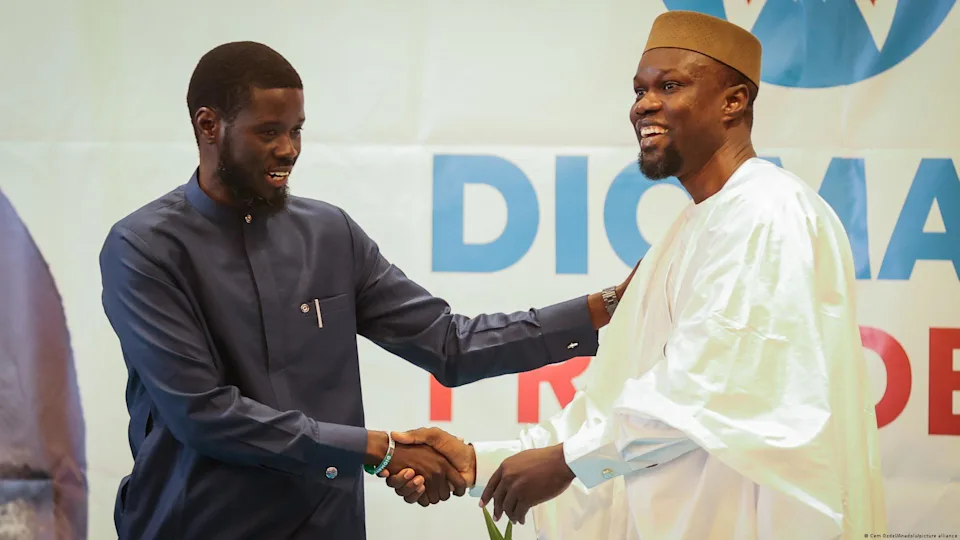
The upheaval within the Pastef party deepened as several senior members resigned in solidarity with Sonko, following his ousting from the premiership.
Ousmane Sonko’s potential return to parliament—where his party holds a dominant majority—comes after the resignation of the outgoing Speaker, El Hadji Malick Ndiaye. The opposition Takuu Walu parliamentary group held a press conference on Monday to denounce Ndiaye’s resignation as invalid, accusing him of violating the Assembly’s internal rules.
Aïssata Tall Sall, leader of the opposition group, called on President Bassirou Diomaye Faye to refer the matter to the Constitutional Council, labeling the reinstatement of Sonko a constitutional coup. She warned that if Faye fails to act, Sonko may target his own position next.
In response, Faye appointed a new Prime Minister, banker and former BCEAO executive Ahmadou Al Aminou Mohamed Lô, a former Minister of State attached to the Presidency. The new Premier emphasized that Senegal stands at a critical juncture and called for national unity.