
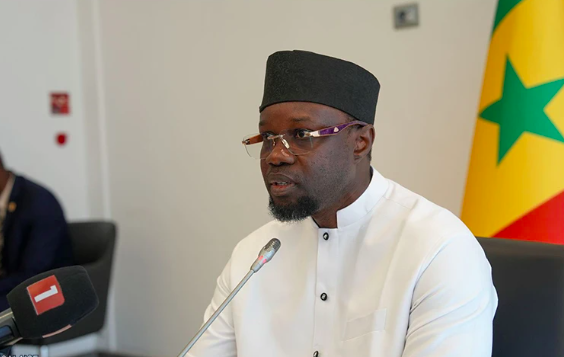
The Prime Minister, Ousmane Sonko, has revealed the existence of 245 stalled public infrastructure projects across Senegal, representing a total investment of 279 billion West African CFA francs. Speaking during a high-level interministerial meeting on infrastructure development, he highlighted the financial, technical, and administrative bottlenecks preventing these projects from reaching completion or operational status.
identifying the scale of the challenge
This nationwide assessment, mandated during the April 15 Council of Ministers meeting, identified projects that were either abandoned mid-construction or completed but left unused. Sonko emphasized that these dormant assets—now valued at 279 billion FCFA—reflect systemic inefficiencies in project execution and resource allocation.
root causes of stalled projects
The Prime Minister attributed the majority of delays to financial constraints, which have left many infrastructure initiatives underfunded. Technical challenges also played a significant role, with several projects halted due to unresolved engineering or logistical issues. Sonko underscored the broader implications of these setbacks, noting that unfinished or unutilized infrastructure results in substantial economic losses for the country.
government’s corrective measures
In response to these findings, Ousmane Sonko announced the establishment of a dedicated committee under the Prime Minister’s Office to oversee and accelerate the completion of these projects. He also called for a comprehensive review of the inventory, acknowledging that the current assessment may not yet capture all stalled initiatives.
The Prime Minister stressed the need for proactive measures to address technical hurdles, particularly in the integration of hydraulic and electrical networks for new infrastructure. He criticized the lack of foresight in project planning, pointing out that many structures were built without considering their operational viability—a critical factor contributing to their current state of disuse.
Sonko condemned the systemic issues of negligence and laxity, which he described as major drivers behind delivery delays and operational failures. His call for a “zero-tolerance” policy reflects a determination to eliminate inefficiencies and ensure that future projects are executed with greater accountability and efficiency.