
Perenco under scrutiny: oil, governance and justice in central africa
Libreville, June 19, 2026 — A storm is brewing over the Franco-British energy giant Perenco, as judicial authorities in Paris launch a sweeping investigation that could reshape the landscape of African oil governance.
The French National Financial Prosecutor’s Office conducted surprise raids on June 11 and 12 at Perenco’s Paris headquarters and the private residences of several executives, including company president François Perrodo. Authorities seized phones, computers, and internal documents as part of an ongoing probe since October 2023 into suspected foreign public-sector corruption and money laundering linked to the group’s operations in Central Africa.
At the heart of the investigation are financial transactions deemed irregular, allegedly facilitating favorable contracts and concessions in Gabon and the Republic of the Congo. Prosecutors are examining whether these deals were secured through illicit channels involving local officials—a longstanding controversy in a region rich in natural resources but plagued by governance challenges.
Decades of oil politics in Central Africa
The case taps into a persistent debate about transparency in extractive industries across Africa. While Central Africa remains a cornerstone of the continent’s energy supply, its vast oil and mineral wealth has often been marred by opaque deals and allegations of misconduct. Perenco, however, has thrived in this environment by maintaining a low public profile—a strategy that allowed it to expand rapidly in complex jurisdictions while avoiding the scrutiny faced by larger, publicly traded oil majors.
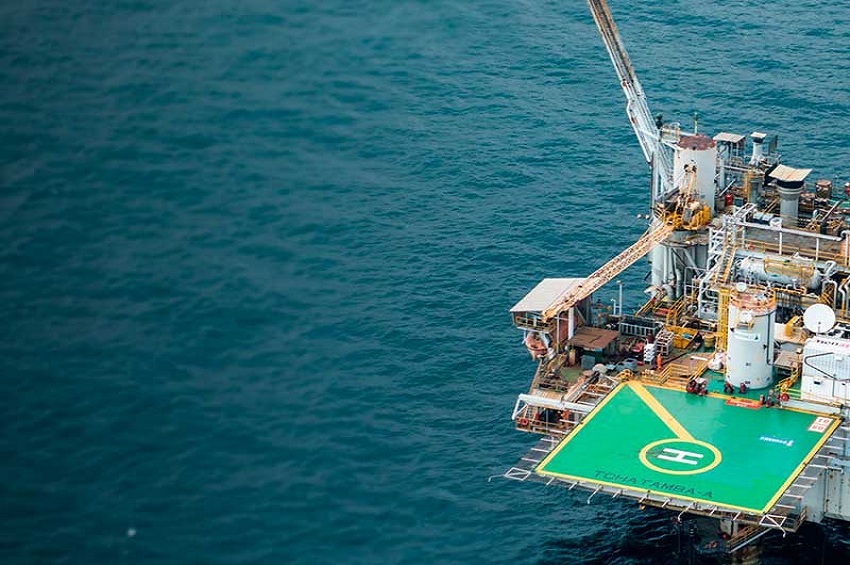
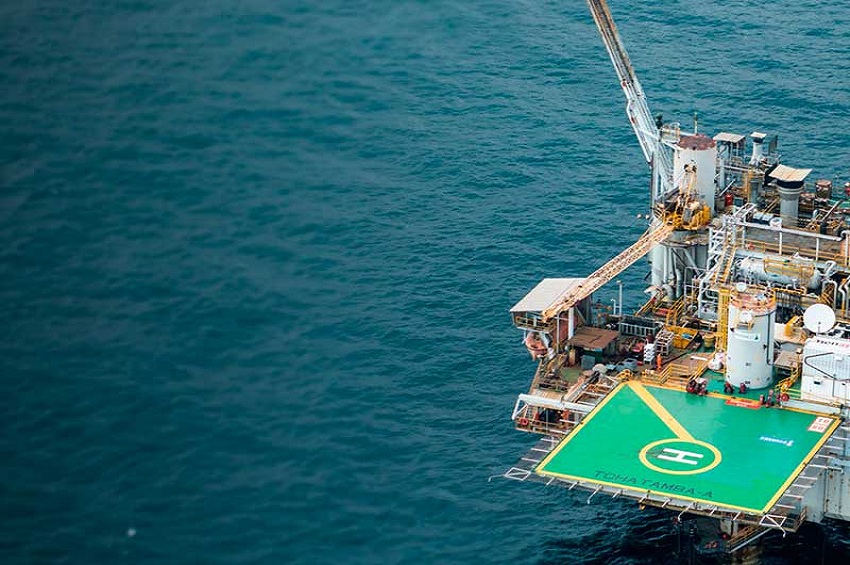
In Gabon, where Perenco has operated for over 30 years, the company has become a linchpin of the national economy. Its Gabonese subsidiary ranks as the country’s top hydrocarbon producer, managing an extensive portfolio of offshore and onshore fields that fuel both domestic consumption and export revenues.
A critical moment for Gabon’s energy future
The timing of the raids could not be more delicate. Perenco is in the midst of a strategic pivot toward natural gas, positioning itself as Gabon’s leading gas operator. Key projects such as the Igongo and Ozangué gas fields, the Batanga LPG plant, and the upcoming floating liquefied natural gas (FLNG) project at Cap Lopez—scheduled for 2028—represent billions in investments aimed at diversifying the country’s energy mix.
The FLNG initiative, developed in partnership with the Gabon Oil Company, is projected to inject approximately 700,000 tons of LNG into global markets annually, with an estimated investment nearing $1 billion. Additionally, Perenco recently inaugurated the first phase of the Mayumba gas-fired power plant, designed to bolster Gabon’s national electricity grid. Since 2006, the company claims to have poured over $500 million into Gabon’s gas infrastructure, including hundreds of kilometers of pipelines.
Beyond Perenco: the stakes for Gabon and beyond
To date, no formal charges have been filed, and the raids are part of a fact-finding phase to determine whether the suspicions hold weight. Perenco has yet to issue a public response to the allegations. Yet the implications extend far beyond the company itself.
In economies where a handful of operators dominate critical sectors like energy, the destabilization of a major player can trigger ripple effects across national development strategies. For Gabon and the Republic of the Congo, the outcome of this investigation could influence the credibility of their partnerships with international firms, the integrity of their resource governance, and their ability to ensure that oil wealth translates into sustainable progress.
This case may ultimately serve as a litmus test for the evolving relationship between African states, extractive multinationals, and the global push for greater transparency in natural resource management. As scrutiny intensifies, the question remains: will Central Africa’s energy sector adapt to meet the demands of a more accountable future?