
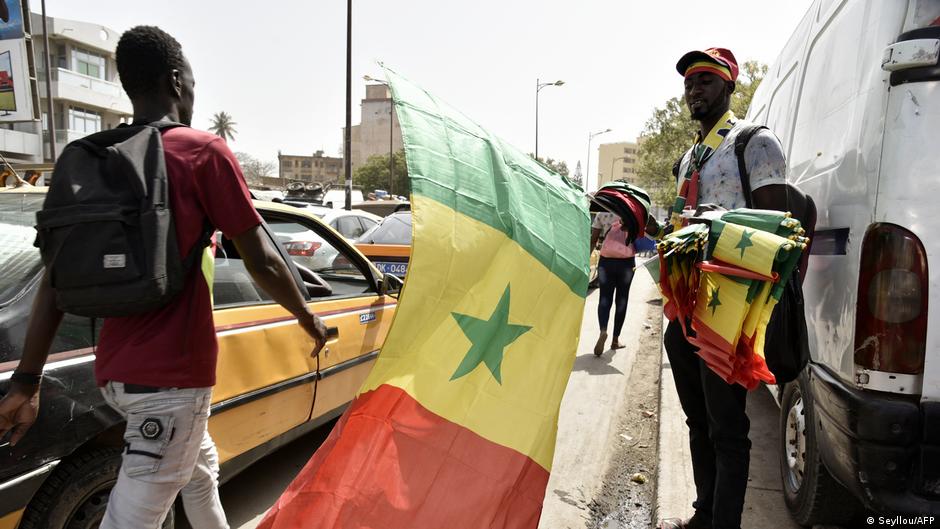
The annual journey to Touba attracts millions of devotees, but this year, pilgrims are facing an unexpected hurdle: exorbitant transport fares. Followers of Cheikh Ahmadou Bamba, the revered founder of the Mouride brotherhood, are preparing for the Grand Magal, yet the rising costs of travel are casting a shadow over their spiritual pilgrimage.
Skyrocketing fares strain pilgrims’ budgets
At the Baux Maraîchers station in Pikine, the usual ticket prices range between 3,000 and 5,000 West African francs. However, as the Grand Magal approaches, fares have surged to between 8,000 and 10,000 francs, depending on the level of comfort. Travelers now face a stark choice: a non-air-conditioned minibus for 10,000 francs or a less comfortable but air-conditioned bus for 8,000 francs. The justification? Endless traffic jams on the route to Touba.
Drivers cite rising costs as reason for price hikes
Fallou, a station tout, explains the reasoning behind the inflated prices. “All these vehicles are heading to Touba,” he says. “You can choose between a small, non-air-conditioned vehicle for 10,000 francs or a slightly larger air-conditioned one for 8,000 francs. These are the prices today because the road to Touba is completely clogged.“
Mamadou, a lifelong pilgrim, laments the situation. “They take advantage of every major event to hike prices,” he says. “Touba isn’t far, and normally, the cost is much lower. Times are hard, and they shouldn’t push it. But I have no choice—I must go. My family is waiting, and we need to welcome our guests properly.“
Empty return trips drive up expenses
Bour Guewel, a veteran driver with nearly 30 years of experience, offers another perspective. “When we leave Dakar, the buses are full, but returning to the capital is a different story. We often struggle to find passengers, yet we still have to refuel twice.” He adds, “The traffic into Touba is unbearable right now, so we have to raise prices to make up for the losses.“
This pattern is all too familiar in Senegal’s transport sector. During major gatherings like the Grand Magal, drivers impose steep fares that travelers reluctantly accept. While Dakar Dem Dikk, the public transport operator, offers tickets for 4,000 francs, demand far outstrips supply. Additionally, their buses provide limited space for luggage, adding to the pilgrims’ challenges.
Finding solutions amid rising costs
As the Grand Magal approaches, pilgrims are left with little recourse but to pay the inflated fares. For many, the spiritual journey is now overshadowed by the financial strain of getting there. The situation underscores the need for more sustainable transport solutions during peak travel periods in Senegal.