
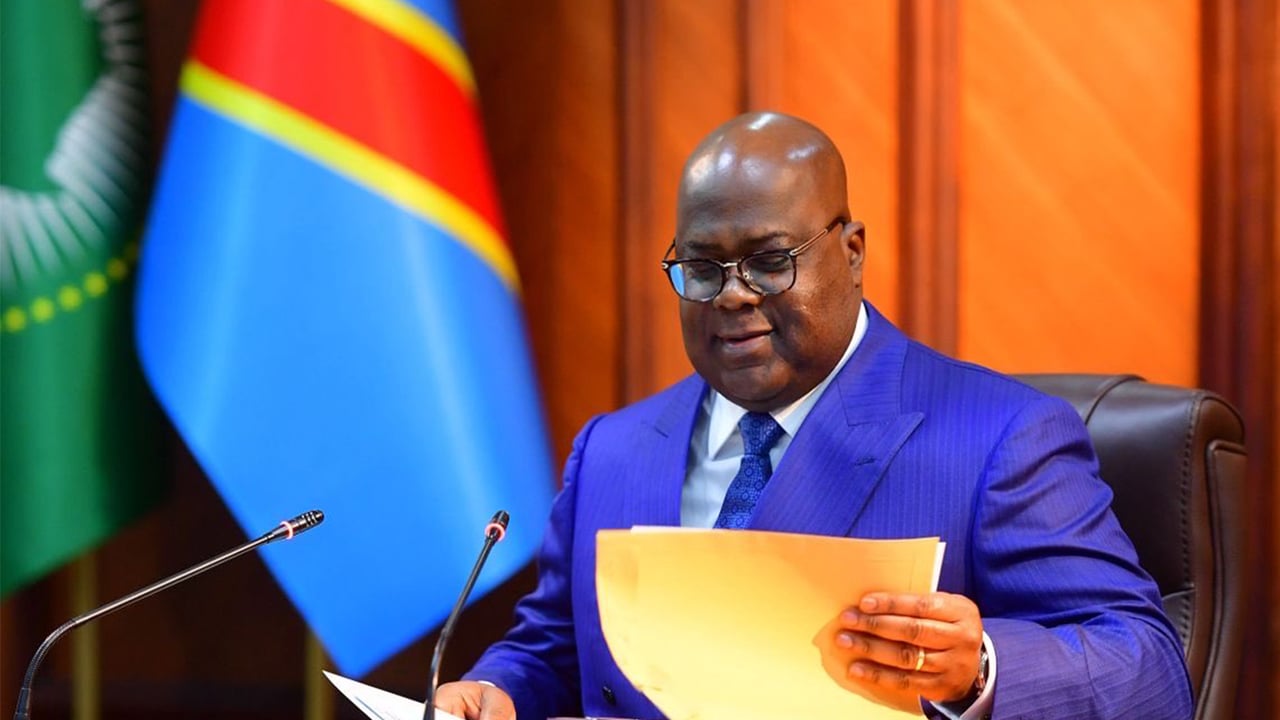
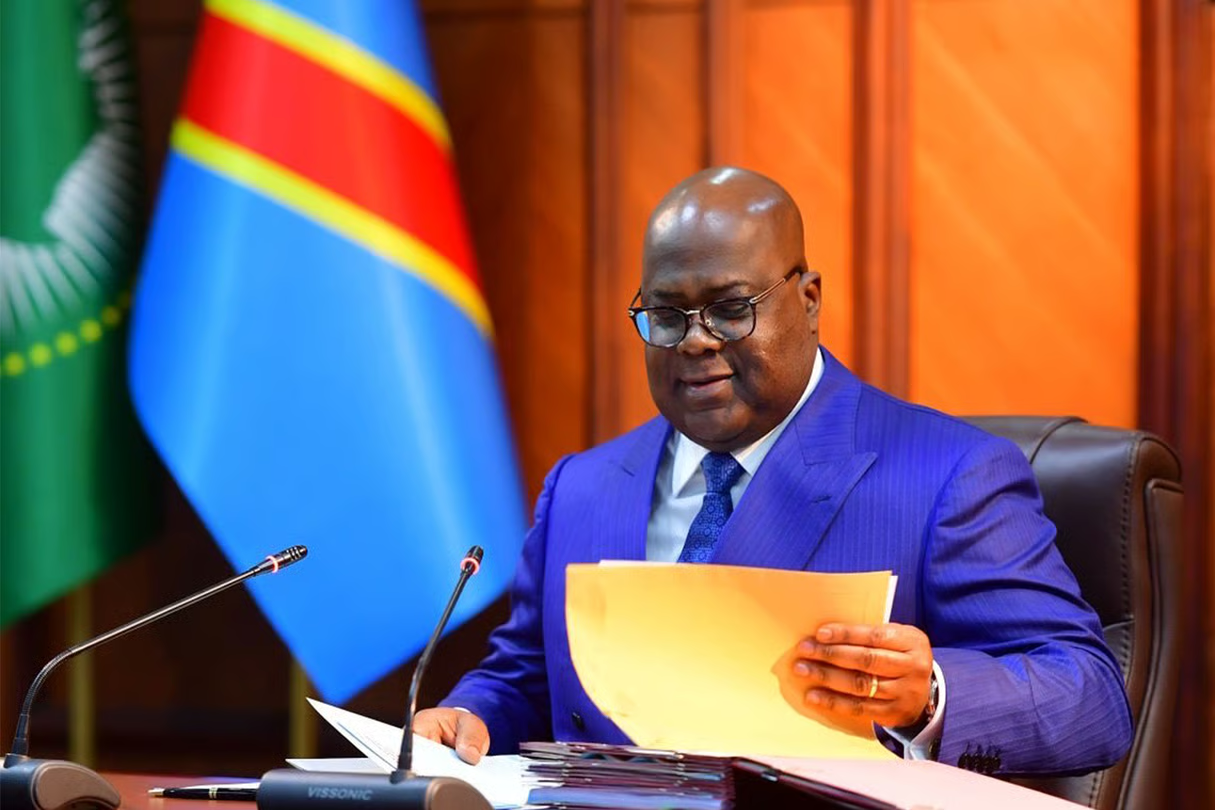
After months of political tension, the Democratic Republic of the Congo (DRC) is witnessing early signs of easing tensions, setting the stage for a long-awaited national dialogue. Observers note a shift in rhetoric from key political figures, including President Félix Tshisekedi, whose recent statements suggest a willingness to engage in constructive discussions.
Signs of easing political tensions
Over the past few weeks, the political atmosphere in Kinshasa has shifted markedly. Public statements from government officials and opposition leaders alike reflect a growing openness to dialogue, a stark contrast to the confrontational language that dominated earlier this year. This gradual thaw follows months of escalating disagreements over electoral processes and governance issues.
President Félix Tshisekedi has taken a more conciliatory tone in recent addresses, acknowledging the need for inclusive discussions to address the country’s challenges. His remarks have been met with cautious optimism by both domestic and international observers, who see them as a positive step toward national reconciliation.
What’s driving this change?
The motivation behind this political détente appears multifaceted. Internally, pressure from civil society and youth movements has grown, demanding accountability and transparency from leadership. Externally, regional partners have intensified calls for stability in the DRC, emphasizing the importance of peaceful resolution to political disputes.
Additionally, economic pressures—including inflation and unemployment—have amplified public frustration, pushing both government and opposition to seek common ground. The looming prospect of upcoming elections has also likely influenced this shift, as stakeholders recognize the risks of further instability.
Challenges ahead for the national dialogue
While the initial signs are encouraging, significant hurdles remain. The opposition has repeatedly raised concerns about inclusivity, insisting that all voices—especially those from marginalized communities—must be heard. Trust between political factions is fragile, and past attempts at dialogue have faltered due to deep-seated disagreements.
Moreover, logistical and security concerns could complicate efforts to organize a comprehensive national dialogue. Ensuring safe participation for delegates from conflict-affected regions, particularly in the East, will require careful planning and coordination with regional security forces.
Key expectations from stakeholders
- Inclusivity: Opposition groups insist that the dialogue must include representatives from all political spectrums, as well as civil society and traditional leaders.
- Transparency: Citizens demand clear timelines and mechanisms for accountability to ensure the process is not merely symbolic.
- Security guarantees: Delegates from volatile regions must receive protection to participate freely without fear of reprisal.
As the DRC navigates this delicate moment, the success of the national dialogue will depend on the willingness of all parties to prioritize the nation’s interests over partisan gains. The coming weeks will be critical in determining whether this thaw in tensions can translate into lasting stability.