
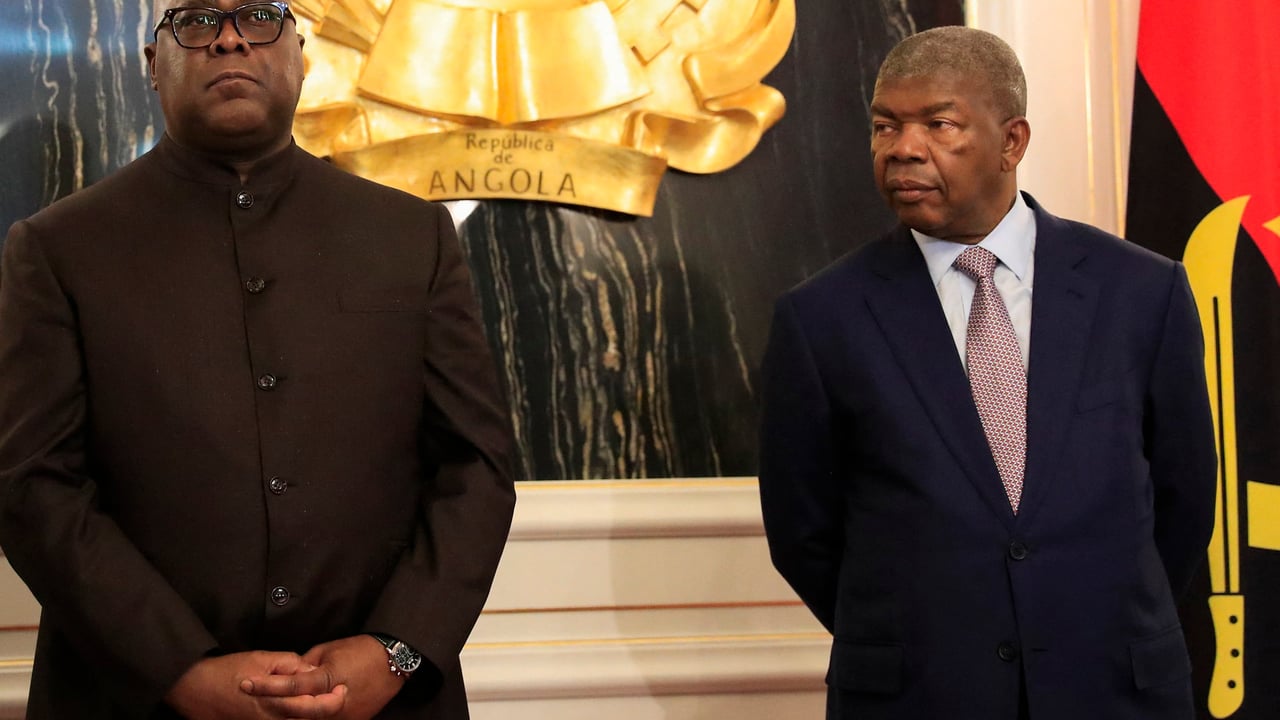
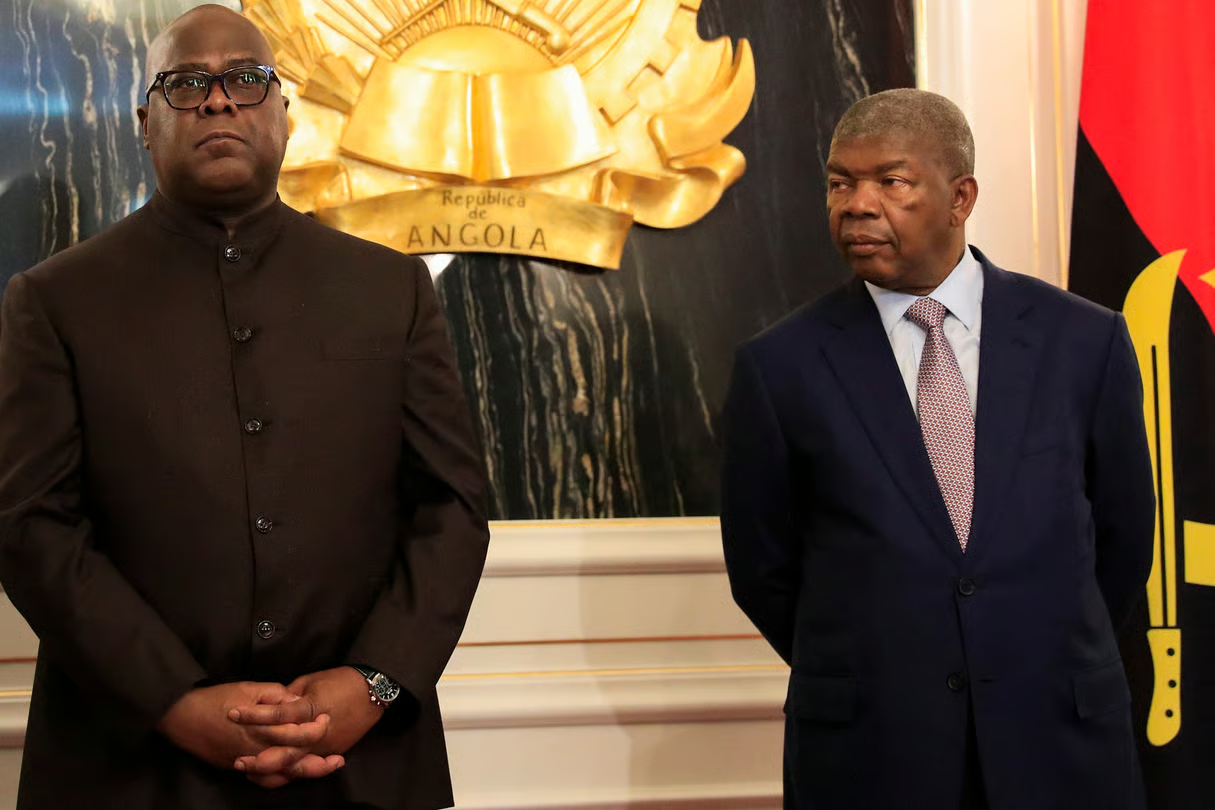
The Democratic Republic of the Congo is currently navigating a delicate diplomatic confrontation, with mediation efforts from Angola playing a pivotal role. Behind the scenes, a high-stakes tug-of-war unfolds between President Félix Tshisekedi and Angolan leader João Lourenço, as both sides push for opposing strategies to resolve the ongoing crisis.
Historic tensions resurface
Diplomatic relations between Kinshasa and Luanda have never been smooth, but recent events have intensified the friction. The crisis stems from deep-seated disagreements over regional security, economic cooperation, and political influence in the Great Lakes region. Angola’s mediation, though officially welcomed, has become a lightning rod for contention.
Clashing visions for the region
President Tshisekedi advocates for a robust, unified approach to regional stability, insisting on stronger military and economic alliances. Meanwhile, President Lourenço’s proposals lean toward gradual, consensus-based solutions, prioritizing dialogue over confrontation. These divergent strategies have created an impasse, with neither side willing to compromise.
The standoff has exposed fractures within the African Union’s peacekeeping efforts, raising questions about the bloc’s effectiveness in mediating regional conflicts. As the two leaders dig in their heels, the Congolese population braces for potential fallout, from economic instability to heightened security risks.
Behind closed doors: the anatomy of a dispute
Exclusive insights reveal the intensity of behind-the-scenes negotiations. Closed-door meetings in Luanda have become battlegrounds of rhetoric and posturing, with both presidents leveraging regional alliances to sway the outcome. Key figures, including former DRC President Joseph Kabila, have emerged as influential voices in the debate, further complicating the mediation process.
The M23 rebel group’s resurgence has added urgency to the talks, with both sides blaming the other for failing to contain the insurgency. Angola’s role as mediator is increasingly scrutinized, as critics question whether Luanda can remain neutral amid rising pressure from Kinshasa.
Economic stakes and regional power plays
The dispute extends beyond security, encompassing critical economic interests. The DRC’s vast mineral wealth and Angola’s oil reserves make cooperation essential, yet competition overshadows collaboration. Trade imbalances and infrastructure projects have become bargaining chips, with each side seeking to maximize its advantage.
As the standoff persists, neighboring countries watch closely. Regional blocs like the Southern African Development Community (SADC) face mounting pressure to intervene, but internal divisions hinder cohesive action. Meanwhile, ordinary citizens in both nations bear the brunt of the uncertainty, facing rising costs and uncertain futures.
What’s next for Kinshasa and Luanda?
The path forward remains uncertain. Angola’s mediation could either yield breakthroughs or collapse under the weight of irreconcilable differences. President Tshisekedi’s recent public statements suggest a hardening stance, while President Lourenço continues to push for a diplomatic resolution. The coming weeks will be decisive, as both leaders weigh the costs of stalemate against the risks of compromise.
For now, the Great Lakes region holds its breath, as the world’s largest cobalt producer and a key oil exporter grapple with a crisis that could reshape Central Africa’s geopolitical landscape.